
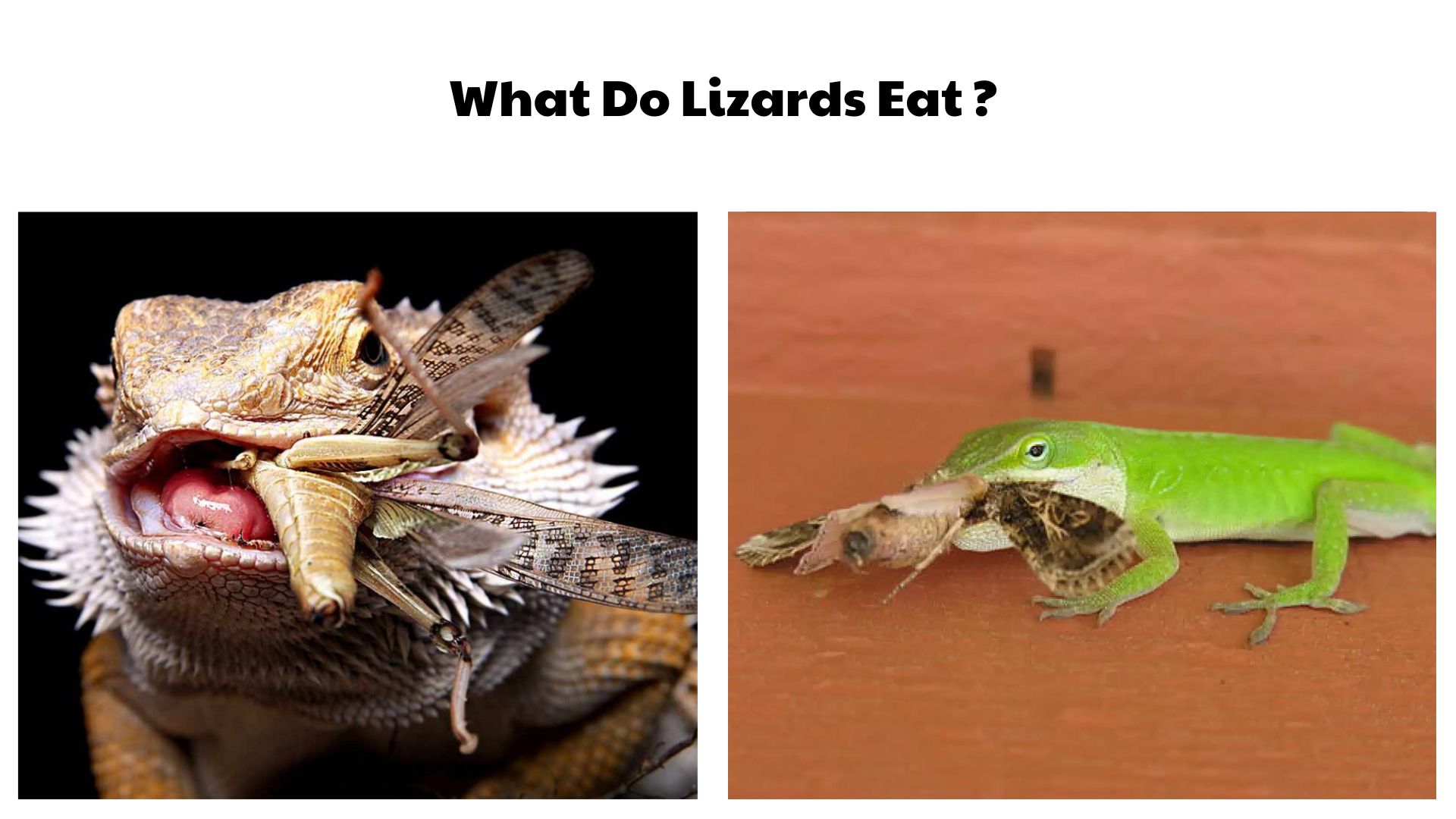
Lizards are a remarkably diverse group of reptiles found across deserts, rainforests, grasslands, and even suburban gardens. With more than 6,000 known species, their diets vary widely depending on environment, body size, and evolutionary adaptation. Some lizards are strict insectivores, feeding almost entirely on live prey, while others are omnivores or even herbivores that consume fruits and plant matter.
Understanding what lizards eat is essential for anyone interested in reptile care, ecology, or wildlife observation. In captivity, diet directly influences a lizard’s growth rate, immune system, shedding cycles, and lifespan. In the wild, feeding behavior helps maintain ecological balance by controlling insect populations and contributing to nutrient cycling. Lizards are also key indicators of ecosystem health because their food sources reflect the condition of the surrounding environment.
This guide explores 30 commonly consumed foods by lizards, covering insects, larvae, fruits, and plant matter. Each food item is explained in detail to help you understand why it is eaten, how it is consumed, and what nutritional value it provides.
What Do Lizards Eat ?
1. Crickets
Crickets are one of the most fundamental prey items in the diet of many lizard species, especially insectivorous reptiles such as geckos, anoles, skinks, and bearded dragons. In natural habitats, crickets are found in leaf litter, grass, under logs, and around moist soil areas, making them highly accessible to hunting lizards. Their movement—short jumps and rapid crawling—triggers a strong predatory response in lizards, which rely heavily on motion detection to locate prey.
Nutritionally, crickets are considered a highly balanced food source. They provide a strong protein profile essential for muscle development, growth, and tissue repair. They also contain moderate fat levels and important micronutrients such as B vitamins and trace minerals. One of the most valuable aspects of crickets is their relatively soft exoskeleton, which makes them easier to digest compared to harder insects like beetles.
In the wild, lizards typically hunt crickets using ambush tactics. They remain motionless until prey comes within striking distance, then use a rapid tongue flick or quick lunge to capture them. This feeding strategy conserves energy while maximizing success rate. Crickets also contribute hydration, as their bodies retain moisture from the environment. Overall, crickets are a cornerstone of lizard nutrition and remain one of the most frequently consumed insects across many ecosystems.
2. Mealworms
Mealworms are the larval stage of darkling beetles and serve as an important secondary food source for many lizards. In the wild, they are typically found in decaying organic matter, soil, compost, and under rocks where moisture and decomposition are present. Unlike highly active prey such as crickets, mealworms move slowly, making them easier for lizards to capture, especially for species that rely on opportunistic feeding.
Mealworms are rich in protein and fat, making them an energy-dense food source. This makes them especially valuable for lizards that require quick energy replenishment, such as during growth phases or after periods of low food availability. However, their higher fat content means they are not always ideal as a staple food. In natural ecosystems, they are usually consumed as part of a varied diet rather than a primary prey item.
From a feeding behavior perspective, lizards often detect mealworms by scent and subtle movement in soil or decomposing matter. Once located, they are quickly consumed due to their soft body structure compared to adult beetles. Mealworms also contribute minor hydration, although less than softer-bodied insects. Overall, they represent an opportunistic but nutritionally valuable food source in a lizard’s diet.
3. Dubia Roaches
Dubia roaches, and similar roach species found in tropical environments, are highly nutritious insects consumed by many lizard species. In the wild, roaches inhabit dark, humid areas such as leaf litter, bark crevices, and decaying vegetation. Their slow movement and predictable hiding behavior make them relatively easy targets for lizards that forage on the ground or in dense vegetation.
Nutritionally, roaches are considered one of the most balanced feeder insects. They contain high levels of protein, moderate fat, and an excellent calcium-to-phosphorus ratio, which supports bone strength and skeletal development in reptiles. This makes them particularly important for growing lizards and breeding adults that require high calcium intake.
Lizards typically hunt roaches using a combination of smell, vibration detection, and visual tracking. Because roaches are less agile than crickets or flies, they are often captured with high efficiency. Their soft exoskeleton also makes digestion easier and reduces the risk of impaction compared to harder-bodied insects.
4. Grasshoppers
Grasshoppers are common prey for many wild lizard species, especially those living in open fields, savannas, and grasslands. Their abundance during warm seasons makes them an important seasonal food source. Grasshoppers are highly mobile insects, capable of long jumps and fast movement, which requires lizards to rely on quick reflexes and precise timing when hunting.
From a nutritional perspective, grasshoppers are rich in lean protein and contain relatively low fat levels compared to larvae. This makes them an excellent food for supporting muscle development and maintaining healthy body condition without excessive fat accumulation. In natural environments, lizards often regulate their energy intake by balancing high-mobility prey like grasshoppers with slower insects.
Hunting grasshoppers typically involves ambush behavior. Lizards remain still and blend into their environment before striking when the insect lands nearby. Their ability to detect movement through vision is crucial in this feeding strategy.
5. Flies
Flies are small but important prey items for many lizard species, particularly smaller or arboreal lizards such as geckos and anoles. In the wild, flies are abundant near decomposing organic matter, vegetation, and water sources. Their unpredictable flight patterns make them challenging prey, requiring quick reaction times and precise targeting.
Nutritionally, flies provide small amounts of protein and moisture. While individually low in nutritional value, they are often consumed in large quantities. This makes them an important supplemental food source, especially for smaller lizards that cannot handle larger prey.
Lizards hunting flies often use short bursts of movement or sit-and-wait strategies near light sources or feeding areas where flies gather. Their feeding behavior reflects adaptability and opportunism in exploiting available insect populations.
6. Ants
Ants are among the most widely available prey insects in many ecosystems and are consumed by a variety of lizard species. Ground-dwelling lizards frequently encounter ants while foraging. Some species even specialize in ant consumption due to their abundance and constant availability.
Although ants are small and individually low in nutritional value, they are consumed in large quantities, making them a steady source of protein. However, some ants produce defensive chemicals or have strong bites, so lizards often target specific species that are easier to consume or less aggressive.
Ant-feeding behavior often involves rapid tongue flicking and continuous feeding while moving through colonies or trails.
7. Spiders
Spiders are opportunistic prey for many lizard species, especially those that hunt near vegetation, rocks, or human structures. They provide a rich protein source and are relatively easy to capture when stationary in webs or hiding in crevices.
Lizards typically target smaller spiders, avoiding larger or more dangerous species. The ability to quickly immobilize prey makes spiders a valuable part of the diet, especially in environments where insect diversity is high.
8. Earthworms
Earthworms are soft-bodied invertebrates that provide high moisture and protein content. Lizards often encounter them in moist soil, especially after rainfall when worms surface. Their movement in soil triggers strong hunting responses in ground-feeding lizards.
Because earthworms are easy to digest and rich in moisture, they are particularly beneficial in dry environments. They also support hydration needs while contributing essential nutrients for growth and energy.
9. Waxworms
Waxworms are the larvae of wax moths and are highly fatty insects. In nature, they are not a primary food source but are consumed opportunistically when available. Their soft bodies make them easy to digest, but their high fat content limits frequent consumption.
Lizards typically use waxworms as an energy-rich food during periods of increased metabolic demand, such as growth or seasonal changes. However, in excess, they can lead to nutritional imbalance, so they are naturally consumed in moderation.
10. Superworms
Superworms are large larvae that provide significant protein and fat content. In the wild, similar larvae are found in decomposing wood or organic material. Their size makes them suitable prey for medium to large lizard species.
They are active and slightly more challenging to capture than mealworms, requiring more precise hunting. Their nutritional profile supports energy needs, especially in growing or highly active lizards.
11. Butterworms
Butterworms are the larval stage of certain moth species and are known for their soft texture and high nutritional value. In natural environments, similar larvae are found in decaying organic matter or stored plant material. They are not a primary wild food source everywhere, but when available, lizards readily consume them due to their slow movement and rich nutrient profile.
Nutritionally, butterworms are high in fat and contain a moderate amount of protein, making them an energy-dense food source. They are especially valuable for lizards recovering from stress, illness, or periods of low food availability. The soft body structure makes them easy to digest, which is beneficial for younger or smaller reptiles that may struggle with tougher insects.
Feeding behavior toward butterworms is typically opportunistic. Lizards rely on visual cues and motion detection to identify them, although their slow movement makes capture relatively easy. In the wild, similar larvae are often found in moist, decomposing environments where lizards forage. While not a staple food in most ecosystems, butterworm-like larvae contribute to dietary variety and energy intake when encountered.
12. Black Soldier Fly Larvae
Black soldier fly larvae (BSFL) are one of the most ecologically important insect larvae in reptile diets. In the wild, they are found in composting material, manure, and decaying organic matter. Their role as decomposers makes them highly available in nutrient-rich environments where lizards often hunt.
From a nutritional standpoint, BSFL are exceptional because they contain a balanced ratio of calcium and phosphorus, which is crucial for bone development and metabolic health in lizards. This makes them particularly beneficial compared to many other feeder insects. Their soft bodies also make them easy to digest, reducing the risk of impaction.
Lizards typically locate BSFL in moist soil or decaying organic piles. Their movement is slow and wriggling, making them easy targets. Because they thrive in decomposition zones, they play an important role in connecting lizards to nutrient recycling systems in ecosystems.
13. Small Snails
Small snails are consumed by certain lizard species, especially those that are opportunistic omnivores. In the wild, snails are found in moist environments such as gardens, forests, and riverbanks. Their slow movement and soft bodies make them relatively easy prey for larger lizards capable of handling shelled organisms.
Nutritionally, snails provide protein, calcium, and moisture. The calcium from snail shells is particularly valuable for reptiles, supporting bone and egg development in breeding females. However, not all lizards consume snails, as shell hardness can be a limiting factor depending on species and jaw strength.
Lizards that feed on snails often use strong jaw pressure or wait for partially exposed soft tissue before consuming them. This food source is more common in humid ecosystems where snail populations are high.
14. Small Beetles
Small beetles are widely available in many ecosystems and are consumed by a variety of lizard species. They are typically found under bark, in soil, or among decaying plant matter. Their hard exoskeleton makes them slightly more challenging to digest, but many lizards still include them in their diet.
Beetles provide protein and structural nutrients, although their chitin-rich shells can be harder to process. Because of this, they are often consumed opportunistically rather than as a staple food. Larger lizards are more capable of handling beetles effectively.
In natural feeding behavior, lizards use ambush tactics or short bursts of speed to capture beetles as they move across the ground or vegetation. Their presence contributes to dietary diversity in insect-rich environments.
15. Caterpillars
Caterpillars are one of the most nutrient-rich and easily digestible insect prey items for lizards. They are commonly found on leaves and vegetation, making them highly accessible to arboreal and ground-dwelling species. Their soft bodies make them ideal prey.
Nutritionally, caterpillars provide high protein and moderate fat content, supporting growth and energy needs. Many species also contain moisture, which aids hydration. Because of their slow movement and predictable location on plants, they are frequently targeted by lizards.
Lizards often inspect leaves carefully before striking caterpillars. Their camouflage ability can make them harder to detect, but once found, they are consumed quickly due to their soft texture and high nutritional payoff.
16. Leafy Greens
Leafy greens form an essential part of the diet for herbivorous and omnivorous lizards. These include a wide range of plant leaves found in gardens, forests, and grasslands. Examples include wild greens and cultivated leafy vegetables that lizards may encounter in human-altered environments.
Leafy greens provide hydration, fiber, and essential micronutrients such as vitamins A and K. While not calorie-dense, they are important for digestive health and overall hydration balance. Many lizards consume greens during warmer periods when moisture is critical.
Feeding behavior involves nibbling tender leaves, especially young shoots. Even insectivorous lizards may occasionally consume greens when insect prey is scarce or when plant matter provides needed hydration.
17. Kale
Kale is a nutrient-rich leafy vegetable consumed by many omnivorous lizards. In wild environments, similar brassica plants may be available depending on habitat. Kale is valued for its calcium content, which supports skeletal development.
Lizards typically prefer young, tender kale leaves because mature leaves can be tough and fibrous. In captivity, kale is often used as a dietary staple due to its nutrient density. In nature, it serves as an occasional but valuable plant food source.
Its strong nutritional profile makes it especially important for growing reptiles and breeding females that require higher calcium intake.
18. Spinach
Spinach is another leafy green consumed by omnivorous lizards. It contains iron, vitamins, and hydration-supporting moisture. However, it also contains oxalates, which can bind calcium, meaning it is usually consumed in moderation.
In wild environments, lizards may encounter spinach-like wild greens and consume them opportunistically. Its soft texture makes it easy to nibble, especially in moist environments where leaves remain tender.
Spinach contributes to dietary diversity but is rarely a primary food source in natural ecosystems.
19. Collard Greens
Collard greens are sturdy leafy vegetables that provide calcium, fiber, and essential vitamins. Lizards may consume them when young or softened by moisture. In the wild, similar leafy plants serve as part of omnivorous diets.
These greens support bone health and digestion, making them especially useful in environments where mineral intake is important. Their thicker texture requires more chewing or rasping, so they are typically consumed by larger lizard species.
They are often part of a balanced plant-based diet in omnivorous reptiles.
20. Dandelion Greens
Dandelion greens are one of the most naturally consumed wild plant foods for many lizard species. They grow abundantly in grasslands, gardens, and disturbed soil areas, making them highly accessible. Both leaves and flowers are consumed.
Nutritionally, dandelion greens are rich in calcium, potassium, and antioxidants. They support hydration and bone health, making them especially valuable in natural diets. Their slightly bitter taste does not deter lizards, especially when young leaves are tender.
Lizards often feed on dandelion greens during morning or evening hours when leaves are moist and soft. This plant is one of the most ecologically important natural greens in reptile diets.
Next: Part 3 will cover foods #21 to #30, including remaining vegetables, fruits, and mixed plant matter in lizard diets.
21. Romaine Lettuce
Romaine lettuce is a common leafy green that many omnivorous lizards will eat when available. In natural settings, it is not a wild plant in most regions, but similar wild lettuce species are frequently consumed. Romaine lettuce is valued for its high moisture content, making it a useful hydration source, especially in warm or dry environments where water is limited.
Nutritionally, romaine lettuce provides vitamins A and K, along with fiber that supports digestive movement in herbivorous reptiles. However, it is not a calorie-dense food, so it cannot sustain energy needs alone. Instead, it acts as a supportive hydration and micronutrient food.
Lizards typically consume romaine lettuce by nibbling soft edges or younger inner leaves. The outer leaves are often tougher and less desirable. In captivity, it is commonly offered as a base leafy green, but in the wild, similar wild greens fill this role naturally.
22. Mustard Greens
Mustard greens are nutrient-rich leafy vegetables that provide calcium, antioxidants, and vitamins essential for reptile health. In wild ecosystems, lizards may encounter similar brassica-family plants and consume them when tender. Mustard greens have a slightly peppery flavor, but this does not deter most omnivorous lizards.
These greens are particularly beneficial for bone development due to their calcium content. They also support immune function and hydration. Lizards typically consume younger leaves, as mature leaves become tougher and more fibrous.
Feeding behavior involves selective nibbling, focusing on soft sections of the plant. Mustard greens are especially useful in environments where insects are scarce and plant matter becomes a primary food source.
23. Turnip Greens
Turnip greens are another leafy vegetable that provides fiber, calcium, and vitamins. In the wild, lizards may consume wild relatives of turnip plants. These greens grow in disturbed soil areas, making them accessible to ground-dwelling species.
Turnip greens support digestion and skeletal health. Their fibrous structure makes them more suitable for larger or stronger-jawed lizards. Younger leaves are preferred due to their softer texture and higher moisture content.
In natural environments, these greens are consumed opportunistically, especially during seasons when insects are less abundant.
24. Squash
Squash is a soft vegetable that becomes attractive to omnivorous lizards once it ripens or begins to soften. In the wild, similar gourd-like plants may be consumed when available. Squash provides hydration and mild carbohydrates that contribute to energy intake.
Lizards typically feed on the inner flesh, especially when it is exposed or partially decayed. The soft texture makes it easy to rasp and digest. While not a primary food source in most ecosystems, squash becomes important in areas where fruiting plants are abundant.
Its high moisture content makes it especially useful in dry environments where water intake is limited.
25. Zucchini
Zucchini is a highly digestible vegetable that many omnivorous lizards consume. It is soft, moisture-rich, and easy to break down, making it a convenient food source when available. In natural environments, similar soft gourds or plant fruits may serve the same role.
Zucchini provides hydration and small amounts of carbohydrates. It is not nutritionally dense but supports fluid intake and digestive movement. Lizards often nibble on softened or damaged sections rather than intact firm flesh.
Its role in the diet is primarily supportive rather than essential, but it contributes to dietary variety in omnivorous species.
26. Carrots
Carrots are root vegetables that lizards consume when softened or partially decomposed. Fresh carrots are generally too hard for most lizards, but in moist environments, they become more accessible over time.
Nutritionally, carrots contain beta-carotene, which supports vision and immune health in many animals. However, for lizards, carrots are mainly valuable as a source of plant matter rather than a primary nutrient source.
They are typically consumed in fragmented or softened form, especially in soil-rich environments or compost areas where decomposition has begun.
27. Sweet Potatoes
Sweet potatoes are energy-rich tubers that lizards may consume when exposed or softened. In natural habitats, they are not always easily accessible, but when found in disturbed soil or decaying environments, they become a valuable food source.
They provide carbohydrates that can support energy needs, particularly in omnivorous or opportunistic feeders. Lizards typically consume softened portions rather than raw hard tissue.
Sweet potatoes are more commonly part of opportunistic feeding rather than a staple diet in the wild.
28. Bell Peppers
Bell peppers are colorful fruits that some omnivorous lizards will consume when available. In the wild, similar fruiting plants may be eaten when ripe or damaged. Bell peppers offer hydration and mild vitamins.
Lizards typically feed on soft inner flesh, especially when the fruit has been exposed or partially broken. The outer skin is less appealing unless softened by moisture or decay.
Bell peppers contribute to dietary diversity but are not essential in natural ecosystems.
29. Apples
Apples are sweet fruits consumed by lizards when overripe or damaged. In the wild, fallen fruit is an important seasonal food source for many omnivorous reptiles. The sweetness and softness of decaying apples make them highly attractive.
Apples provide sugars that offer quick energy, along with hydration from their high water content. Lizards typically feed on exposed flesh rather than intact skin.
They are especially common in orchard-adjacent ecosystems where fallen fruit accumulates.
30. Strawberries
Strawberries are soft, sweet fruits that attract lizards when ripe or overripe. Their strong aroma and juicy texture make them easy to locate and consume. In natural environments, similar wild berries are commonly eaten by omnivorous species.
Lizards typically feed on soft, exposed sections of the fruit, especially when it is already damaged or touching the ground. Strawberries provide sugars and hydration, making them useful energy sources in fruit-rich habitats.
While not a primary food source for most lizards, strawberries contribute to opportunistic feeding behavior and dietary diversity.
Conclusion
Lizards are highly adaptable reptiles with diets that reflect their environment, species type, and seasonal food availability. From protein-rich insects like crickets, grasshoppers, and roaches to plant-based foods such as leafy greens, fruits, and vegetables, their feeding habits are remarkably flexible. This dietary adaptability is one of the key reasons lizards are found across nearly every continent except Antarctica.
Insectivorous lizards play an important ecological role by controlling insect populations, including pests such as flies, ants, and beetles. Omnivorous and herbivorous species contribute to seed dispersal and plant matter recycling, helping maintain balance within ecosystems. Every feeding behavior, whether hunting fast-moving prey or grazing on soft leaves, contributes to the stability of their habitats.
For pet owners, understanding a lizard’s natural diet is essential for long-term health. A balanced diet that includes appropriate feeder insects, leafy greens, and occasional fruits helps support growth, digestion, immune function, and proper shedding. Nutritional variety is especially important because no single food item provides everything a lizard needs.
Ultimately, lizards are opportunistic feeders shaped by millions of years of evolution. Their ability to switch between animal and plant-based foods allows them to survive in changing environments and diverse ecological conditions. By understanding what lizards eat, we gain deeper insight into their biology, behavior, and their vital role in nature.
FAQs About What Lizards Eat
1. What do lizards eat in general?
Lizards eat a wide variety of foods depending on their species, size, and habitat. Most lizards are insectivores, meaning they primarily consume insects such as crickets, grasshoppers, flies, ants, and beetles. Others are omnivores and include both insects and plant matter like leafy greens, fruits, and vegetables. Some large species may even eat small vertebrates. Their diet is highly adaptable, which allows them to survive in deserts, forests, grasslands, and urban environments. In general, their food choices depend on what is available and easy to capture or consume.
2. Do all lizards eat insects?
No, not all lizards eat insects. While many species such as geckos and anoles are insectivores, others like iguanas are primarily herbivores, feeding mostly on leaves, flowers, and fruits. Some species, like bearded dragons, are omnivores and eat both insects and plant material. The dietary habits of lizards vary significantly across species, so it is important to understand the specific type of lizard when studying its diet.
3. What insects do lizards prefer most?
Lizards commonly prefer soft-bodied, slow, or moderately moving insects. Crickets are one of the most widely consumed prey items because they are abundant and nutritious. Grasshoppers, flies, mealworms, and roaches are also frequently eaten. The preference often depends on ease of capture, nutritional value, and habitat availability. Moving prey triggers a strong hunting response in most lizards.
4. Do lizards eat crickets?
Yes, crickets are one of the most important foods for many lizard species. They are rich in protein and relatively easy to digest due to their softer exoskeleton. Lizards actively hunt crickets using rapid strikes based on movement detection. Crickets also provide hydration, making them a valuable natural food source in many ecosystems.
5. Do lizards eat mealworms?
Yes, lizards eat mealworms, especially when other prey is limited. Mealworms are high in fat and protein, making them energy-rich food sources. However, they are usually consumed in moderation because of their harder exoskeleton and higher fat content compared to other insects.
6. Do lizards eat plants?
Yes, many lizards eat plants, especially omnivorous and herbivorous species. They consume leafy greens, flowers, fruits, and vegetables. Plant matter provides hydration, fiber, and essential vitamins. Even some insect-eating lizards occasionally nibble on plants for moisture or nutrients.
7. Do lizards eat fruit?
Yes, some lizards eat fruit, especially overripe or soft varieties. Fruits like strawberries, apples, and melons are consumed by omnivorous species. Fruit provides natural sugars and hydration but is not a primary food source for most lizards.
8. Do lizards eat vegetables?
Yes, many lizards consume vegetables such as squash, zucchini, carrots, and leafy greens. Vegetables are especially important for herbivorous and omnivorous species. They provide fiber and hydration, although they are usually less calorie-dense than insects.
9. Do lizards drink water?
Yes, lizards do drink water, although many also obtain hydration from their food. In the wild, they often lick droplets from leaves or drink from puddles after rain. Some species rely heavily on moisture-rich prey and plants for hydration.
10. Do lizards eat ants?
Yes, many lizards eat ants. Ants are abundant and easy to find, making them a common food source. Some species specialize in eating ants, while others consume them opportunistically. However, ants may also have defensive chemicals, so not all lizards eat them equally.
11. Do lizards eat spiders?
Yes, lizards often eat spiders when they encounter them. Spiders are high in protein and relatively easy to catch when stationary in webs or hiding in crevices. They are an opportunistic food source in many habitats.
12. Do lizards eat flies?
Yes, flies are commonly eaten by smaller lizards. They are quick-moving prey that require fast reflexes to catch. Flies are especially important for small species like geckos that feed on insects near surfaces or vegetation.
13. Do lizards eat earthworms?
Yes, many lizards eat earthworms, especially in moist environments. Earthworms provide high moisture and protein, making them easy to digest and nutritionally valuable. They are often consumed after rainfall when they surface.
14. Do lizards eat beetles?
Yes, lizards eat beetles, although harder species may be more difficult to digest. Smaller beetles are commonly consumed, especially in forest and garden environments. Beetles provide protein but also have tough exoskeletons.
15. Do lizards eat grasshoppers?
Yes, grasshoppers are a major food source for many lizards, especially in open grassland habitats. They are rich in protein and support healthy growth. However, they are fast and require precise hunting skills.
16. Do lizards eat snails?
Some larger or omnivorous lizards eat snails. Snails provide protein and calcium, especially from their shells. However, not all lizards can consume them due to shell hardness.
17. Do lizards eat worms?
Yes, many lizards eat worms such as earthworms and larvae. Worms are soft, moist, and easy to digest, making them ideal prey for ground-dwelling species.
18. Do lizards eat caterpillars?
Yes, caterpillars are commonly eaten by lizards. They are soft-bodied and rich in nutrients, making them highly desirable prey. They are often found on plants, making them easy targets.
19. Do lizards eat leaves?
Some lizards, especially herbivorous species, eat leaves. They prefer soft, young leaves that are easy to digest. Leaves provide fiber and hydration but are not highly energy-dense.
20. Do lizards eat spinach?
Yes, spinach is consumed by some lizards, especially omnivorous species. It provides vitamins and moisture, but it should be fed in moderation due to compounds that may affect calcium absorption.
21. Do lizards eat kale?
Yes, kale is a nutritious leafy green eaten by many omnivorous lizards. It is rich in calcium and vitamins, making it beneficial for bone health and growth.
22. Do lizards eat lettuce?
Yes, lizards can eat lettuce, especially soft varieties. It provides hydration but limited nutritional value, so it is usually combined with other foods.
23. Do lizards eat carrots?
Yes, lizards eat carrots when they are softened or chopped. They provide vitamins like beta-carotene but are not a primary food source.
24. Do lizards eat sweet potatoes?
Yes, some lizards eat sweet potatoes when available. They are energy-rich and usually consumed in softened or decaying form.
25. Do lizards eat squash?
Yes, squash is eaten by omnivorous lizards. It provides moisture and carbohydrates, especially when soft or ripe.
26. Do lizards eat bell peppers?
Yes, some lizards eat bell peppers, especially when they are soft or damaged. They provide hydration and vitamins.
27. Do lizards eat apples?
Yes, apples are eaten by omnivorous lizards when overripe or soft. They provide sugars and hydration.
28. Do lizards eat strawberries?
Yes, strawberries are eaten by some lizards. Their sweetness and softness make them attractive food sources.
29. Do lizards eat roaches?
Yes, roaches are highly nutritious and commonly eaten by lizards. They provide protein and are easy to digest.
30. Do lizards eat larvae?
Yes, many lizards eat larvae such as mealworms and black soldier fly larvae. They are rich in nutrients and widely available in nature.
31. Do lizards eat dead animals?
Some lizards may opportunistically consume dead animals, especially in nutrient-poor environments. This is not their primary diet but helps survival when food is scarce.
32. Do lizards eat algae?
Some species, especially in semi-aquatic environments, may consume algae. However, it is not a major food source for most lizards.
33. Do lizards eat moss?
Occasionally, herbivorous lizards may nibble on moss, but it is not a primary food source.
34. Do lizards eat flowers?
Yes, some lizards eat flowers, especially soft petals and nectar-rich blossoms.
35. Do lizards eat fruit peels?
Yes, if soft or decaying, fruit peels may be consumed by omnivorous lizards.
36. Do lizards eat fish?
Very few lizards eat fish, and only in rare opportunistic cases near water environments.
37. Do lizards eat frogs?
Larger lizards may occasionally eat small amphibians, including frogs, depending on species.
38. Do lizards eat eggs?
Some larger or opportunistic lizards may consume eggs if found in the wild.
39. Do lizards eat mice?
Large lizard species such as monitor lizards may eat small rodents.
40. Do lizards eat honey?
Some omnivorous lizards may lick nectar or sugary substances, but honey is not a natural staple food.
41. Do lizards eat bark?
No, lizards do not eat bark, though they may consume insects found on it.
42. Do lizards eat soil?
No, but they may accidentally ingest soil while feeding on prey.
43. Do lizards eat in the morning or night?
Most lizards are active during the day, but some species hunt at night depending on habitat.
44. Can lizards survive without food?
Lizards can survive for short periods without food by slowing metabolism, but long-term survival requires regular feeding.
45. What is the most important food for lizards?
The most important food depends on species, but protein (insects) and calcium are essential for most lizards.
46. Do baby lizards eat the same food as adults?
Baby lizards usually eat smaller insects but generally follow similar dietary patterns as adults.
47. Do lizards eat every day?
Many small lizards eat daily, while larger species may eat less frequently.
48. Do lizards overeat?
Yes, especially in captivity, lizards may overeat if food is constantly available.
49. Do lizards eat at specific times?
Yes, most lizards feed during daylight hours when they are most active and temperatures are suitable.
50. What helps lizards digest food?
Heat and proper basking temperatures are essential for digestion, along with a balanced diet.
51. Do lizards need calcium?
Yes, calcium is critical for bone development, muscle function, and egg production in reptiles.
52. What happens if lizards don’t eat enough?
They may become weak, lose weight, develop metabolic issues, or have poor shedding cycles.
53. Do wild lizards eat differently than pet lizards?
Yes, wild lizards eat whatever is available, while pet diets are controlled and more consistent.
54. Can lizards recognize food?
Yes, lizards use vision and smell to identify prey and plant matter.
55. What is the key to a healthy lizard diet?
A balanced mix of protein, vitamins, minerals, and proper hydration is essential for a healthy lizard diet.
Read more: