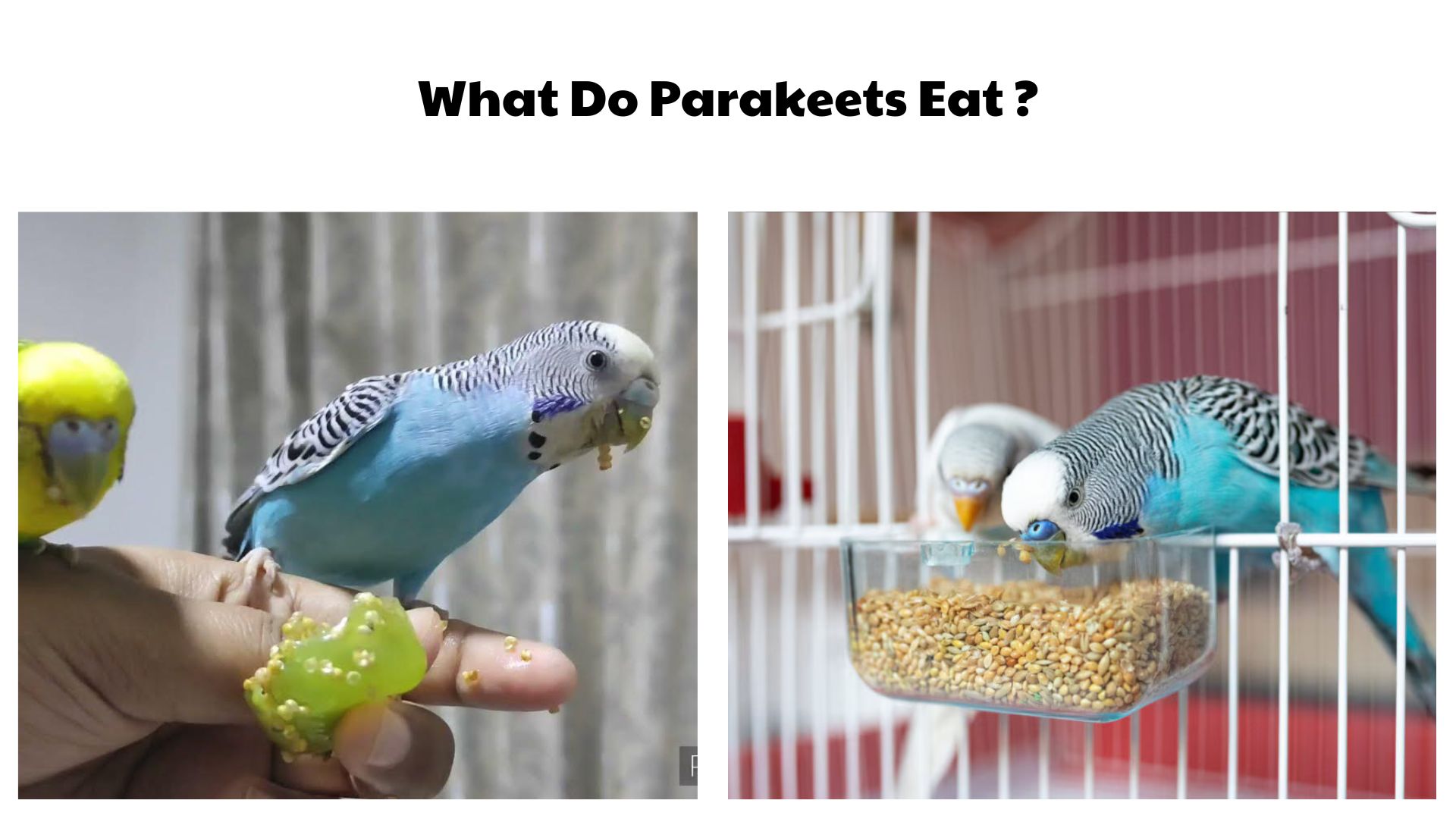
Parakeets (budgerigars) are small parrots native to Australia, but their feeding behavior reflects a surprisingly complex survival strategy. In the wild, they do not rely on a single food source. Instead, they constantly shift between grasses, seeds, fresh greens, and seasonal fruits depending on rainfall, temperature, and habitat conditions.
This flexibility is one of the main reasons parakeets thrive in large flocks across open landscapes. Their diet is not only about survival but also about energy management, feather health, and reproduction. For pet owners, understanding this natural diet is essential because it helps prevent common nutritional problems such as vitamin deficiencies, obesity from seed-only diets, and poor feather quality.
The following section explores the first 10 foods in detail, focusing on how parakeets naturally eat them in the wild, their nutritional roles, and why they matter for long-term health.
What Do Parakeets Eat in the Wild? (Foods #1 to #10)
1. Millet Seeds
Millet seeds are one of the most fundamental food sources in a parakeet’s natural diet. In the wild Australian outback, parakeets often feed on ripening millet-like grasses that grow after rainfall. These grasses produce small seed clusters that birds strip directly using their curved beaks. Millet provides a fast and efficient energy source due to its high carbohydrate content, which is essential for sustaining long daily flights between feeding and watering areas.
From a nutritional standpoint, millet is relatively low in fat but contains moderate protein and digestible starches. This makes it ideal for quick energy release without putting excessive strain on the bird’s metabolism. Parakeets consume millet in large flocks, which increases safety and feeding efficiency. One bird feeding can signal others that a food source is safe, reinforcing flock behavior.
Millet is also easy to digest, which is important for small birds with fast metabolisms. In captivity, it remains extremely popular, but in nature it is only one part of a much broader diet that includes greens and seasonal vegetation. Wild parakeets rarely depend on millet alone; instead, they rotate between multiple grass seed types to maintain nutritional balance.
2. Canary Seed
Canary seed is another important grass-based food consumed by parakeets in natural habitats. It is found in wild grasses that resemble cultivated canary seed plants. These seeds are slightly harder than millet, requiring more effort to husk and consume, which helps strengthen beak muscles and supports natural foraging behavior.
Nutritionally, canary seed offers a balanced mix of carbohydrates and plant-based protein. It supports sustained energy rather than quick bursts, making it especially valuable during long-distance flock movements. In the wild, parakeets often encounter canary seed during seasonal grass growth periods following rainfall.
Parakeets typically feed on canary seed in groups, quickly stripping seed heads before moving on to safer locations. This feeding strategy reduces exposure to predators and ensures efficient use of available resources. Because canary seed is not overly rich in fat, it fits well into a long-term balanced diet when combined with other seeds and vegetation.
3. Sunflower Seeds
Sunflower seeds are highly nutritious but consumed more selectively in wild parakeet diets. They are energy-dense, containing high levels of fat, protein, and essential fatty acids. In natural environments, parakeets may encounter wild sunflower plants and feed on seeds when they are mature and accessible.
These seeds play an important role during periods of increased energy demand, such as breeding, migration, or environmental stress. However, because of their high fat content, they are not a dominant food source in the wild. Instead, they are part of opportunistic feeding behavior when available.
Parakeets use their strong beaks to crack the hard shell and access the nutrient-rich kernel inside. This requires more effort compared to softer seeds like millet. While sunflower seeds are often overrepresented in captive diets, wild parakeets naturally balance them with lower-fat grasses and greens to avoid nutritional imbalance.
4. Oats
Oats are a valuable grain that parakeets consume when they encounter wild oat grasses or agricultural fields. In natural ecosystems, oats provide slow-release carbohydrates and dietary fiber that support steady energy levels throughout the day.
Unlike smaller seeds such as millet, oats are more fibrous and slightly tougher to process. This encourages natural feeding behavior, requiring birds to spend more time foraging and husking, which supports beak health and mental stimulation. Parakeets often feed on oats in open grasslands where they form part of mixed seed patches.
Nutritionally, oats help maintain digestive health and provide consistent energy for long flights. They are particularly useful when birds are migrating or traveling between feeding grounds. Oats are rarely consumed alone but are part of a broader mix of grass seeds and vegetation.
5. Barley
Barley is another grass grain that wild parakeets consume in suitable habitats, especially in regions influenced by seasonal rainfall or nearby agriculture. It provides complex carbohydrates and fiber, which help sustain energy over longer periods.
Barley grains are tougher than millet or oats, requiring more effort to crack open. This promotes natural feeding activity and prevents overly rapid consumption. In the wild, parakeets often encounter barley in mixed grain fields, where they feed in large groups before moving on.
This food contributes to endurance and helps maintain stable energy levels during daily flock movement. It is not the primary food source but plays an important supporting role in dietary diversity.
6. Wheat
Wheat is widely available in many environments where parakeets live, especially in agricultural regions. Wild parakeets frequently feed on ripening wheat fields, consuming soft grains and mature seed heads.
Wheat provides carbohydrates, moderate protein, and fiber, making it a reliable energy source. Because of its abundance in cultivated areas, it often becomes a major seasonal food source for wild flocks. Parakeets feed rapidly in groups, stripping grain heads before relocating to avoid predators.
Wheat helps sustain large populations of parakeets in changing environments, especially where natural grasslands overlap with farmland.
7. Pelleted Parakeet Food
Pelleted food is not found in the wild, but it represents a modern attempt to replicate balanced nutrition. In captivity, pellets are designed to prevent selective feeding and ensure birds receive essential vitamins and minerals.
Wild parakeets naturally achieve nutritional balance through a variety of seeds, greens, and fruits. Pellets combine these nutritional needs into a single formulated food source. While not a natural wild food, understanding pellets helps bridge wild diet knowledge with captive care requirements.
8. Apples
Apples are consumed opportunistically when parakeets encounter fruit-bearing trees or orchards. In the wild, fruit is not a primary food source but serves as a seasonal supplement.
Apples provide hydration, natural sugars, and small amounts of vitamins. Parakeets typically feed on soft or overripe sections, pecking at exposed flesh. This behavior allows them to quickly extract energy before returning to flock movement.
Fruit consumption like apples plays a supporting role in diet diversity, especially during dry seasons when seeds may be less abundant.
9. Bananas
Bananas are soft fruits that parakeets may consume in tropical or cultivated regions. They provide quick energy through natural sugars and contain potassium and moisture.
Wild parakeets usually eat overripe bananas, as softer fruit is easier to break down. Feeding is quick and opportunistic, allowing birds to minimize exposure while gaining energy efficiently.
Bananas are not a staple but serve as a high-energy supplement in fruit-rich environments.
10. Grapes
Grapes are another seasonal fruit consumed by parakeets when available in orchards or vine-covered areas. They provide hydration and quick carbohydrates.
Parakeets typically peck through the skin to access the soft interior. Because grapes contain high water content, they are especially useful in dry environments where hydration is critical.
11. Strawberries
Strawberries are a seasonal fruit that wild parakeets may encounter in fruiting areas, orchards, or gardens near their natural range. Although not a staple food in the wild, strawberries provide an important burst of natural sugars, hydration, and antioxidants when available. Parakeets are attracted to their bright color and soft texture, which makes them easy to peck open and consume quickly. In natural feeding behavior, parakeets do not linger long on fruit sources because they must remain alert to predators, so strawberries are typically eaten in short feeding bursts before the flock moves on.
Nutritionally, strawberries offer vitamin C, manganese, and small amounts of fiber. These nutrients help support immune response and cellular repair, particularly during periods of stress or breeding. The high water content also makes strawberries valuable in dry climates where hydration is limited. However, in wild ecosystems, strawberries are not available year-round, so they function as a supplemental rather than essential food source.
Parakeets typically feed on overripe or partially damaged strawberries because these are easier to access. They peck into the flesh and consume soft inner sections, avoiding tougher outer areas. This opportunistic feeding behavior reflects their broader survival strategy: maximizing energy intake while minimizing time exposed to predators.
12. Blueberries
Blueberries are another fruit that parakeets may consume when they encounter wild berry-producing shrubs or cultivated plants. In natural environments, berries play an important seasonal role in providing energy-rich food during breeding and post-rainfall periods when vegetation is abundant.
Blueberries are particularly rich in antioxidants, especially anthocyanins, which help reduce oxidative stress in the body. For wild parakeets, these compounds support long-term health, feather maintenance, and recovery from environmental stress. They also contain natural sugars that provide quick energy for flight and flock movement.
Parakeets typically feed on blueberries in small groups, quickly stripping berries from bushes before moving on. Their feeding behavior is highly efficient, allowing them to exploit fruit resources without prolonged exposure to predators. Because blueberries are soft, they require minimal processing and can be consumed rapidly.
In wild diets, blueberries are not a staple but represent an important seasonal nutrient boost that complements seed-based nutrition.
13. Raspberries
Raspberries are soft, clustered fruits that parakeets may encounter in forest edges or cultivated areas. They provide a mix of natural sugars, fiber, and antioxidants, making them valuable seasonal food sources. Their structure allows birds to easily pluck individual drupelets, making feeding efficient even during short foraging stops.
Nutritionally, raspberries contribute vitamin C, manganese, and dietary fiber, which support immune function and digestive health. The fiber content also helps regulate gut movement, which is important for birds with high metabolic rates. In the wild, raspberries are especially important during breeding seasons when energy demands increase.
Parakeets typically feed on raspberries in short bursts, often while perched briefly on shrubs. They prioritize soft, ripe fruit and avoid tougher or unripe sections. This selective feeding behavior ensures maximum energy gain with minimal effort.
Raspberries are not a core dietary staple but serve as an important seasonal supplement in diverse habitats.
14. Mango
Mangoes are tropical fruits that parakeets may encounter in warmer regions or cultivated orchards. In wild ecosystems, mangoes represent a high-energy food source that provides natural sugars, hydration, and essential vitamins such as vitamin A and vitamin C.
Parakeets are attracted to mangoes once they become soft and ripe, as the flesh becomes easier to access. They typically feed on exposed sections of the fruit, using their beaks to peel and scrape soft tissue. Because mangoes are large, feeding is usually done in groups, with birds taking quick turns at accessible areas.
Nutritionally, mangoes support vision, immune health, and feather pigmentation due to their beta-carotene content. They are particularly valuable during breeding seasons when nutritional demands increase. However, in the wild, mango consumption is seasonal and geographically limited.
Mangoes represent an energy-dense supplement rather than a daily food source in parakeet diets.
15. Papaya
Papaya is a soft tropical fruit consumed by parakeets in suitable warm climates. It provides hydration, natural sugars, and digestive enzymes such as papain, which can aid in protein breakdown and digestion. In wild environments, papaya trees attract many fruit-eating birds when fruits ripen and soften.
Parakeets typically feed on ripe or overripe papaya, consuming soft inner flesh while avoiding tougher outer skin. The fruit’s high moisture content makes it especially valuable in dry or hot conditions where water access may be limited.
Nutritionally, papaya supports immune function, digestion, and hydration balance. It also provides vitamin A and vitamin C, which are important for feather health and tissue maintenance. However, like most fruits, it is consumed opportunistically rather than forming a core dietary component.
Parakeets may feed on papaya in small flocks, quickly exploiting available fruit before moving on to safer feeding areas.
16. Pineapple
Pineapple is a tropical fruit occasionally consumed by parakeets in cultivated or naturalized environments. It is rich in natural sugars, vitamin C, and bromelain, an enzyme that aids digestion. In the wild, parakeets are opportunistic feeders and will take advantage of ripe pineapple when accessible.
The fruit’s tough exterior means parakeets typically feed on exposed or damaged sections. Once the inner flesh is accessible, they consume it quickly due to its high energy content. Pineapple provides hydration and fast carbohydrates, making it useful during high-energy activity periods.
Although not a staple food in wild diets, pineapple contributes valuable nutritional diversity in fruit-rich environments.
17. Orange
Oranges are citrus fruits that parakeets may consume when available in orchards or cultivated areas. They provide high levels of vitamin C, hydration, and natural sugars. The juicy pulp makes them easy to consume once the peel is broken or damaged.
In wild feeding behavior, parakeets typically access oranges opportunistically, focusing on soft, exposed flesh. The high acidity is tolerated in small amounts and provides a refreshing hydration source in hot climates.
Oranges are not a core dietary staple but serve as seasonal nutritional boosts that support immune health and energy levels.
18. Melon
Melons are highly hydrating fruits that parakeets may encounter in warm or cultivated regions. They include cantaloupe, honeydew, and similar varieties. Their soft flesh and high water content make them ideal for quick feeding.
Nutritionally, melons provide hydration, natural sugars, and small amounts of vitamins such as vitamin A and potassium. These nutrients support fluid balance and energy production, especially in dry environments.
Parakeets typically feed on ripe or overripe melons, consuming exposed flesh rapidly. Their feeding behavior is opportunistic, focusing on efficiency and safety rather than prolonged feeding.
19. Watermelon
Watermelon is one of the most hydrating fruits available to parakeets in suitable environments. It contains high levels of water, natural sugars, and electrolytes. In the wild, parakeets may encounter watermelon in cultivated fields or gardens.
Because of its soft texture, watermelon is easy to consume and provides immediate hydration benefits. This is particularly valuable in hot, dry climates where water sources are scarce.
Parakeets feed quickly on exposed flesh, often in groups, before returning to safer areas. Watermelon serves as both hydration and energy supplementation rather than a primary food source.
20. Kiwi
Kiwi is a nutrient-dense fruit that parakeets may consume when available in cultivated or naturalized environments. It contains vitamin C, vitamin K, fiber, and antioxidants, making it beneficial for immune and digestive health.
The soft interior of kiwi allows for easy consumption once the outer skin is broken. Parakeets typically feed on ripe kiwi, extracting soft pulp in short feeding sessions.
While not a natural staple in most wild regions, kiwi contributes valuable nutritional diversity when available, supporting overall health and energy balance.
Like other fruits, grapes are opportunistic food items rather than dietary staples, but they contribute to energy balance and variety in wild feeding behavior.
21. Pear
Pears are soft, juicy fruits that parakeets may encounter in orchards, gardens, or areas where fruit trees grow near their natural range. In the wild, pears are not a core staple food, but they become an important opportunistic resource when ripe or overripe fruit is available. Parakeets are naturally attracted to soft textures and sweet aromas, which make pears highly appealing once they begin to soften on the tree or fall to the ground.
Nutritionally, pears provide natural sugars, water, and small amounts of vitamin C and fiber. These nutrients support hydration and quick energy replenishment, especially during active flight periods or breeding cycles. Because parakeets have fast metabolisms, they can quickly convert fruit sugars into usable energy for flock movement and foraging activity.
Feeding behavior typically involves short, efficient visits. Parakeets peck into exposed flesh and consume soft sections while remaining alert to predators. They rarely stay long in one fruiting tree unless the flock feels secure. Pears therefore act as a supplemental, seasonal energy source rather than a dietary foundation.
22. Peas
Peas are one of the most important plant-based protein sources that parakeets may consume in the wild, especially in areas where legumes grow naturally or are cultivated nearby. Wild parakeets may encounter pea pods in agricultural fields or garden environments and quickly learn to exploit them as a rich nutritional resource.
Nutritionally, peas provide plant protein, carbohydrates, fiber, and essential micronutrients such as vitamin K and folate. This combination supports muscle maintenance, energy balance, and overall metabolic function. Unlike sugary fruits, peas provide more sustained energy release, making them valuable for endurance flight and daily flock activity.
Parakeets typically access peas by breaking open pods and extracting seeds inside. This behavior demonstrates their strong beak strength and adaptability in exploiting different food structures. In natural ecosystems, legumes like peas play an important role in dietary diversity and help balance seed-heavy diets.
23. Carrots
Carrots are root vegetables that parakeets may consume when available in disturbed soil areas, gardens, or agricultural zones. In the wild, they are not commonly exposed in raw form, but parakeets may feed on softened or partially exposed roots when accessible.
Nutritionally, carrots are rich in beta-carotene, which the body converts into vitamin A. This nutrient is essential for vision, immune function, and feather health. Carrots also provide fiber and moisture, although they are not a primary energy source due to their low sugar content compared to fruits.
Parakeets typically feed on softer or damaged portions of carrots rather than hard, intact roots. Their feeding behavior is opportunistic, focusing on accessible nutrients rather than digging or excavation. Carrots are therefore considered a supplementary food rather than a staple in wild diets.
24. Broccoli
Broccoli is a nutrient-rich vegetable that parakeets may encounter in cultivated environments. While not a natural wild plant in most regions, it closely resembles wild flowering greens that birds naturally consume. Broccoli provides a dense source of vitamins, minerals, and plant compounds that support overall health.
Nutritionally, broccoli contains vitamin C, vitamin K, calcium, and antioxidants. These nutrients contribute to immune strength, bone health, and cellular protection. In wild-like feeding behavior, parakeets would naturally seek similar flowering greens during certain growth stages of vegetation.
Parakeets typically feed on soft florets and tender stems. The structure of broccoli allows easy pecking and tearing, making it accessible even for small beaks. In natural ecosystems, flowering greens like broccoli analogs contribute to seasonal dietary variation.
25. Bell Peppers
Bell peppers are colorful fruits that parakeets may consume opportunistically in gardens or cultivated areas. In the wild, brightly colored fruits often signal ripeness, which attracts birds due to higher sugar content and easier digestibility.
Nutritionally, bell peppers are rich in vitamin C, vitamin A precursors, and antioxidants. These compounds support immune function, feather quality, and overall metabolic health. Their high water content also contributes to hydration in warm climates.
Parakeets typically feed on soft inner flesh, especially when peppers are ripe or partially damaged. They use their beaks to peck and tear small pieces while staying alert. Bell peppers are not a staple wild food but contribute valuable nutritional variety when available.
26. Spinach
Spinach is a leafy green that parakeets may consume when they encounter similar wild vegetation or cultivated crops. In natural ecosystems, birds often feed on a variety of tender greens that resemble spinach in texture and nutrient composition.
Spinach provides iron, vitamins A and K, and antioxidants that support oxygen transport, feather maintenance, and immune health. However, like many leafy greens, it is not calorie-dense and serves more as a micronutrient supplement than a primary energy source.
Parakeets typically nibble on soft leaves and avoid older, tougher foliage. Leafy greens like spinach are especially important during breeding and molting periods when nutritional demands increase.
27. Kale
Kale is a nutrient-dense leafy green that parakeets may consume in environments where similar wild brassica plants are available. It is particularly valued for its high calcium content, which supports bone strength and egg production in breeding females.
Nutritionally, kale contains vitamins A, C, and K, along with antioxidants and fiber. These nutrients contribute to immune function, skeletal health, and digestive balance. In wild conditions, parakeets naturally seek out nutrient-rich greens to complement seed-heavy diets.
Parakeets typically feed on young, tender kale leaves rather than mature, fibrous ones. This selective feeding ensures maximum nutrient intake with minimal digestive effort.
28. Cucumber
Cucumber is a hydrating vegetable that parakeets may encounter in cultivated environments or gardens. In wild feeding behavior, birds often seek out high-moisture plant foods during dry conditions, making cucumber-like plants highly valuable.
Nutritionally, cucumbers provide water, small amounts of vitamins, and trace minerals. While not nutrient-dense, they are extremely important for hydration, especially in hot climates where water sources are limited.
Parakeets typically feed on soft inner flesh, pecking through the skin to access moisture-rich tissue. This behavior supports rapid hydration without prolonged exposure to predators.
29. Sweet Potato
Sweet potatoes are energy-rich root vegetables that parakeets may consume when exposed in soil or disturbed environments. In the wild, they are not commonly encountered in raw form, but similar starchy plant structures are part of their opportunistic feeding behavior.
Nutritionally, sweet potatoes provide complex carbohydrates, fiber, and beta-carotene. These nutrients support long-term energy storage and immune function. They are especially valuable during periods of high activity or environmental stress.
Parakeets typically feed on softened or exposed sections rather than digging into hard soil. Sweet potatoes represent a high-energy supplement when available but are not a core wild food.
30. Corn
Corn is one of the most widely available grain crops that parakeets may encounter in agricultural regions. Wild flocks often feed on ripening cornfields, making it an important seasonal food source in many areas.
Nutritionally, corn provides carbohydrates, moderate protein, and small amounts of fat. It is an energy-rich food that supports flock movement and endurance. Because of its abundance in farming regions, it can become a significant part of the diet during harvest seasons.
Parakeets typically feed in large groups, stripping kernels quickly before moving on to reduce predation risk. Corn plays an important role in bridging natural and agricultural ecosystems in parakeet feeding behavior.
Conclusion
Parakeets are highly adaptable, intelligent foragers whose diet reflects the changing rhythms of their environment. In the wild, they rely heavily on grass seeds such as millet, wheat, barley, and oats, which provide fast and efficient energy for their active, flock-based lifestyle. These seeds form the backbone of their nutrition, especially in open Australian landscapes where seasonal rainfall drives plant growth.
However, parakeets are not strict seed eaters. Their diet expands significantly when conditions allow, including fruits like apples, berries, and melons, as well as vegetables such as peas, leafy greens, and corn. These foods supply essential vitamins, hydration, and antioxidants that help maintain feather quality, immune strength, and reproductive health. This dietary flexibility is one of the main reasons parakeets thrive in both wild and human-influenced environments.
Understanding this natural feeding behavior is especially important for pet parakeet care. A healthy captive diet should reflect this diversity rather than relying solely on seeds. A balanced combination of pellets, fresh vegetables, and controlled fruit intake helps prevent nutritional deficiencies and supports long-term well-being.
In essence, parakeets survive and flourish because of their ability to adapt their diet to what nature provides. Their feeding habits are a perfect example of balance, opportunism, and nutritional intelligence in the bird world.
50+ FAQs About What Parakeets Eat
1. What do parakeets eat in the wild?
In the wild, parakeets mainly eat grass seeds, millet-like grains, wheat, barley, oats, and seasonal vegetation. Their diet changes depending on rainfall and plant availability. They also consume fruits, tender greens, and occasionally cultivated crops when they are accessible. This variety ensures they get enough carbohydrates for energy, along with vitamins and minerals from plants. Wild parakeets are constant foragers, moving in flocks to locate fresh food sources. Their diet is naturally balanced by environmental diversity rather than a single staple food.
2. What is the main food for parakeets?
The primary food for parakeets is grass seeds, especially millet-type seeds. These seeds provide quick energy needed for flying, flocking, and daily activity. In their natural habitat, parakeets spend much of their time feeding on ripening grasses. Seeds are easy to digest and widely available in their environment. However, seeds alone do not provide complete nutrition, so in the wild they are always supplemented with greens and seasonal foods.
3. Do parakeets eat fruits?
Yes, parakeets eat fruits when available. Fruits like apples, grapes, melons, and berries provide hydration, natural sugars, and antioxidants. In the wild, fruit consumption is seasonal and opportunistic. Parakeets typically eat overripe or soft fruits that are easier to access. Fruits are not the main part of their diet but serve as important nutritional supplements during certain times of the year.
4. Can parakeets eat vegetables?
Yes, vegetables are an important part of a healthy parakeet diet. They eat peas, carrots, leafy greens, broccoli, and bell peppers. These foods provide essential vitamins such as vitamin A and C, along with fiber and minerals. In the wild, they consume similar plant materials when available, especially tender shoots and leaves. Vegetables help balance the seed-heavy diet of parakeets.
5. Do parakeets eat seeds only?
No, parakeets do not eat seeds only. Although seeds are a major part of their diet, especially in the wild, they also eat fruits, vegetables, grasses, and occasionally flowers. A seed-only diet can lead to nutritional deficiencies. Wild parakeets naturally avoid this problem by consuming a wide variety of foods depending on seasonal availability.
6. What seeds do parakeets prefer most?
Parakeets prefer small, easy-to-husk seeds such as millet and canary seed. These seeds are energy-rich and widely available in grasslands. They also consume wheat, barley, and oats when accessible. Their preference is often based on availability rather than strict choice, but millet is one of the most consistently favored foods.
7. Do parakeets eat millet?
Yes, millet is one of the most important foods in a parakeet’s diet. It is commonly found in wild grasses and provides quick energy through carbohydrates. Parakeets feed on millet in flocks, stripping seed heads efficiently. It is easy to digest and plays a major role in their daily energy needs.
8. Can parakeets eat bread?
Parakeets can technically eat small amounts of plain bread, but it is not a natural or recommended food. Bread lacks essential nutrients and can fill their stomach without providing real nourishment. In the wild, parakeets never encounter processed foods like bread, so it should not be part of a healthy diet.
9. Do parakeets eat insects?
Parakeets are not insect-eating birds. They are primarily seed and plant eaters. While they may accidentally consume small insects while feeding on vegetation, insects are not a significant or intentional part of their diet.
10. Do parakeets eat corn?
Yes, parakeets eat corn, especially in agricultural areas where crops are available. Corn provides carbohydrates and energy. Wild flocks often feed on cornfields during harvest season, making it a seasonal but important food source.
11. Can parakeets eat bananas?
Yes, bananas are safe and enjoyed by parakeets. They provide natural sugars and potassium. In the wild, parakeets may eat soft tropical fruits when available. Bananas are typically consumed when overripe and soft.
12. Do parakeets eat apples?
Yes, apples are commonly eaten by parakeets in orchards or gardens. They provide hydration and energy. Parakeets usually eat soft or damaged parts of the fruit.
13. Can parakeets eat grapes?
Yes, grapes are safe and nutritious for parakeets. They offer hydration and quick energy from natural sugars. In the wild, they consume similar fruits when available.
14. Do parakeets eat berries?
Yes, parakeets eat berries like blueberries and raspberries when they are available. These provide antioxidants and vitamins that support health and immunity.
15. Can parakeets eat lettuce?
Yes, parakeets can eat lettuce, especially leafy varieties. However, it has low nutritional value and should be combined with other greens.
16. Do parakeets eat spinach?
Yes, spinach is eaten in moderation. It provides iron and vitamins but should not be overfed due to oxalates.
17. Can parakeets eat kale?
Yes, kale is highly nutritious and provides calcium and vitamins essential for bone and feather health.
18. Do parakeets eat carrots?
Yes, carrots are eaten for their vitamin A content, especially when softened or grated.
19. Do parakeets drink water?
Yes, parakeets drink water regularly, although they also get moisture from fruits and vegetables.
20. How often do parakeets eat?
Parakeets eat multiple times per day in small amounts. In the wild, they forage continuously in flocks.
21. Can parakeets eat rice?
Yes, cooked plain rice can be eaten in small amounts, but it is not part of their natural diet.
22. Do parakeets eat nuts?
Yes, but only in small amounts. Nuts are high in fat and not a natural staple food.
23. Do parakeets eat flowers?
Yes, some flowers and blossoms are eaten for nectar and soft plant tissue.
24. What foods are toxic to parakeets?
Foods like chocolate, avocado, caffeine, and alcohol are toxic and should never be given.
25. Can parakeets eat cucumbers?
Yes, cucumbers are safe and provide hydration due to high water content.
26. Do parakeets eat sweet potatoes?
Yes, cooked or softened sweet potatoes provide carbohydrates and nutrients.
27. Do parakeets eat grass?
Yes, wild parakeets eat fresh grass seeds and tender shoots.
28. Can parakeets eat oranges?
Yes, oranges provide vitamin C and hydration but should be fed in moderation.
29. Do parakeets overeat?
In captivity, they can overeat if food is unlimited, especially high-fat seeds.
30. What is the best diet for pet parakeets?
A balanced diet includes pellets, seeds, vegetables, and limited fruit.
31. Do baby parakeets eat the same food?
Baby parakeets need softer, more digestible food and usually depend on parents initially.
32. Can parakeets eat cooked food?
Yes, some cooked vegetables are safe, but they prefer fresh raw foods.
33. Do parakeets need supplements?
In captivity, calcium and vitamin supplements may sometimes be needed.
34. Do parakeets eat all day?
Yes, wild parakeets forage throughout the day in small feeding sessions.
35. Can parakeets eat tomatoes?
Yes, ripe tomatoes are safe in small amounts.
36. Do parakeets eat insects accidentally?
Occasionally, but it is not part of their intentional diet.
37. Can parakeets eat melon?
Yes, melon provides hydration and natural sugars.
38. Do parakeets eat seeds from trees?
Yes, they consume various wild tree and grass seeds.
39. Can parakeets eat cooked beans?
Yes, cooked beans are safe in small amounts and provide protein.
40. Do parakeets need fruit daily?
No, fruit should be occasional, not daily, due to sugar content.
41. Can parakeets eat broccoli?
Yes, broccoli is rich in vitamins and minerals.
42. Do parakeets eat wild plants?
Yes, they consume many wild grasses and greens.
43. Can parakeets eat pineapple?
Yes, pineapple is safe and provides hydration and vitamins.
44. Do parakeets eat sunflower seeds?
Yes, but only in moderation due to high fat content.
45. Are pellets better than seeds?
Pellets provide more balanced nutrition compared to seed-only diets.
46. Can parakeets eat pears?
Yes, pears are safe and provide hydration and energy.
47. Do parakeets eat food in groups?
Yes, they naturally feed in flocks for safety and efficiency.
48. Can parakeets eat zucchini?
Yes, zucchini is hydrating and safe for daily feeding.
49. Do parakeets eat flowers in gardens?
Yes, especially soft petals and nectar-rich blooms.
50. What is the key to a healthy parakeet diet?
A balanced mix of seeds, pellets, vegetables, and limited fruit ensures long-term health.
51. Why is diet important for parakeets?
Proper diet affects feather quality, lifespan, energy levels, and immune strength.
52. Can parakeets survive on seeds alone?
They can survive short-term, but long-term health requires a varied diet.
53. Do parakeets eat at night?
No, they are diurnal and feed during daylight hours.
54. Do parakeets recognize food?
Yes, they use vision and experience to identify safe food sources.
55. What happens if parakeets eat unhealthy food?
Poor diet can lead to obesity, feather problems, and weakened immunity.