Cats (Felis catus) are unique among domestic animals because they are classified as obligate carnivores. This means their bodies are biologically designed to obtain most of their essential nutrients from animal-based protein. Unlike omnivores such as dogs, cats have a limited ability to extract key nutrients like taurine, vitamin A, and arachidonic acid from plant sources, making meat a fundamental part of their survival and long-term health.
Understanding what cats eat is essential for every cat owner, breeder, or animal enthusiast. A proper feline diet directly influences energy levels, coat condition, immune strength, digestion, and even behavior. Poor nutrition can quickly lead to serious health issues because cats rely heavily on specific amino acids and nutrients that must come from their food rather than being synthesized internally.
In the wild, cats are skilled hunters that primarily consume small prey such as rodents, birds, and insects. These prey animals naturally provide a balanced nutritional profile including muscle meat, organs, bones, and moisture. This hunting-based diet is high in protein, moderate in fat, and extremely low in carbohydrates—closely matching what modern domestic cats still require today.
However, domestic cats today often rely on carefully formulated commercial diets, supplemented occasionally with safe human foods. While cats may enjoy a variety of foods beyond meat, not all are nutritionally appropriate, and some can even be harmful if fed incorrectly or in excess.
This guide explores 50 foods that cats can eat safely in moderation, based on veterinary nutrition principles and feline dietary behavior. These foods include animal proteins, select vegetables, fruits, dairy options, grains, seeds, and functional supplements that may be offered as occasional treats or enrichment additions—not replacements for a complete feline diet.
The goal of this article is to help you understand not only what cats can eat, but also how their natural biology shapes their dietary needs. By learning what foods support feline health and which should be limited, you can make better feeding decisions that contribute to a longer, healthier, and more active life for your cat.
In the next section, we will begin with the core of the feline diet: animal-based proteins and foods that closely resemble what cats would naturally consume in the wild.
What Do Cats Eat ? The Foundation of Feline Nutrition

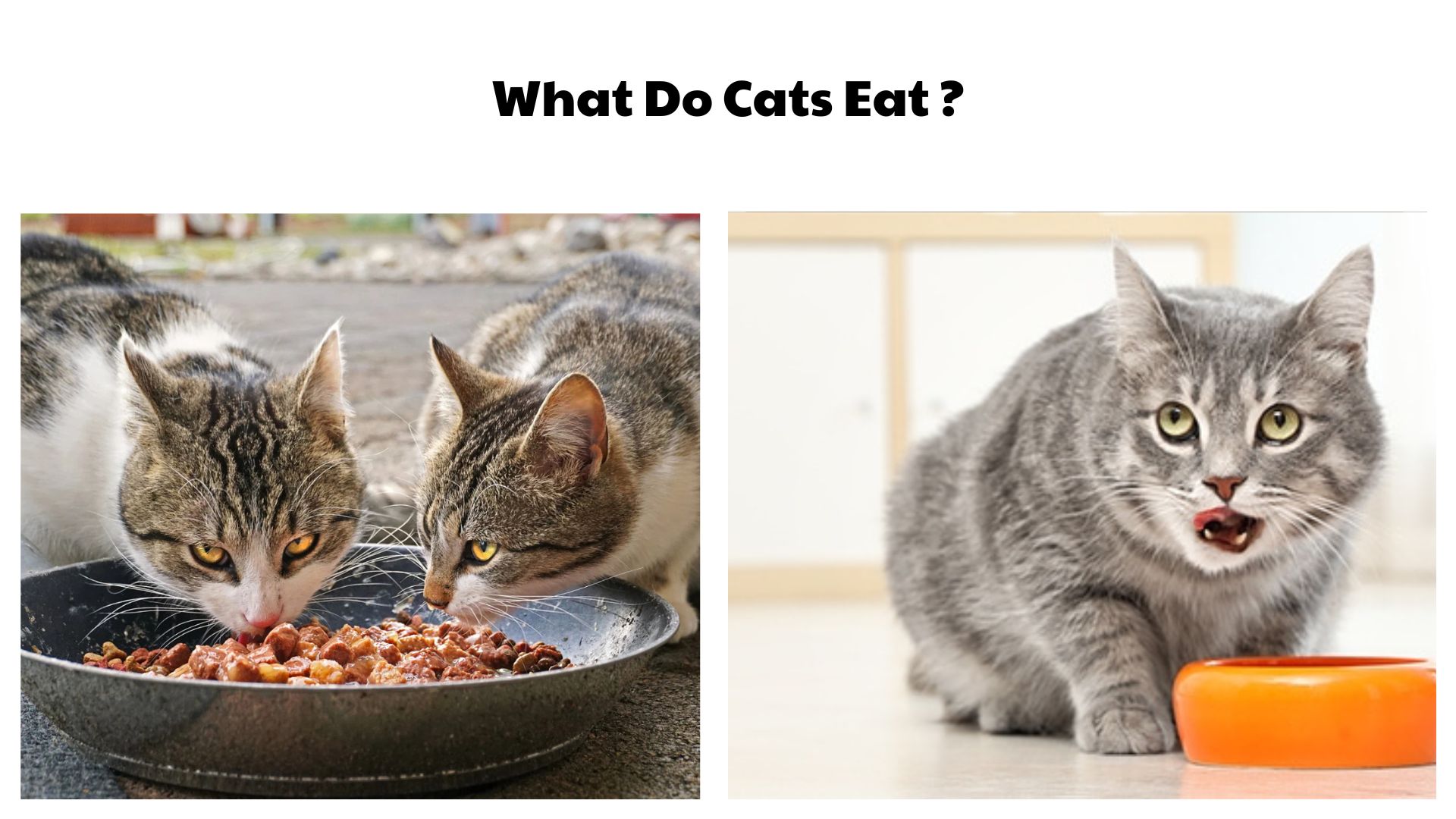
In the wild, cats are strict hunters. Their diet is built almost entirely around small prey animals that provide complete nutrition in a biologically balanced form. These prey items naturally include muscle meat, organs, bones, and moisture—delivering the essential nutrients cats need to survive, including taurine, vitamin A, and high-quality animal protein.
Domestic cats retain this same biological requirement. Even though they may eat commercial food or occasional human treats, animal protein remains the foundation of their diet.
1. Chicken
Chicken is one of the most common and biologically appropriate proteins for cats. It is highly digestible and rich in essential amino acids that support muscle development and energy production. Cats are naturally attracted to its smell and texture, which closely resembles prey meat. When served cooked and unseasoned, chicken provides a safe, lean protein source that can support daily nutritional needs as a treat or supplement.
2. Turkey
Turkey offers a lean protein profile similar to chicken but with slightly different micronutrient content, including B vitamins that support metabolism and nerve function. Cats often enjoy its soft texture and strong aroma. It should always be served plain, fully cooked, and without skin or bones to ensure safety and digestibility.
3. Beef
Beef is a nutrient-rich protein containing iron, zinc, and amino acids essential for oxygen transport and immune health. Many cats enjoy its stronger flavor compared to poultry. However, it is slightly fattier, so lean cuts are preferred to avoid unnecessary calorie intake or digestive upset.
4. Lamb
Lamb is a highly palatable protein that is often used in hypoallergenic cat diets. It provides essential fatty acids and amino acids that support coat health and muscle maintenance. Because of its richer fat content, it is best given in moderation or as part of a balanced diet.
5. Pork
Pork can be safely eaten by cats when it is fully cooked and served plain. It provides protein and energy-rich fats. However, it must never be served raw due to parasite risks. Its high fat content means it should be offered only occasionally.
6. Salmon
Salmon is highly valued for its omega-3 fatty acids, which support skin health, brain function, and joint mobility. It is also rich in protein and highly appealing to most cats. Cooked salmon is safe, but raw salmon should be avoided due to potential parasites and bacteria.
7. Tuna
Tuna is extremely palatable to cats and often used as a treat or appetite stimulant. It provides protein and omega-3 fats, but it should be limited due to potential mercury exposure and nutritional imbalance if overfed. It is best used occasionally rather than as a staple food.
8. White Fish
White fish such as cod or haddock is a lean, easily digestible protein source. It is often recommended for cats with food sensitivities. Its mild flavor makes it a gentle option for introducing fish-based protein into the diet.
9. Sardines
Sardines are a nutrient-dense fish rich in omega-3 fatty acids, calcium, and protein. Because they are small fish, they typically contain lower levels of heavy metals compared to larger fish species. Cats benefit from their anti-inflammatory properties, especially for skin and joint health.
10. Eggs
Eggs are a complete protein source containing all essential amino acids cats need. They also provide vitamins such as B12 and riboflavin. Cooked eggs are safest, as raw eggs may carry bacterial risks and interfere with nutrient absorption. Cats often enjoy the soft texture and mild flavor.
11. Pumpkin
Pumpkin is one of the most commonly recommended plant-based additions for cats due to its fiber content. It can help support healthy digestion and stool consistency, especially in cases of mild constipation or diarrhea. Plain cooked or canned pumpkin (without sugar or spices) is the safest form. Cats typically consume only small amounts due to its texture and mild taste.
12. Carrots
Carrots contain beta-carotene, which supports eye health, though cats convert it inefficiently compared to omnivores. When cooked and softened, carrots are easier for cats to digest. They are typically used in very small quantities as a fiber supplement rather than a nutritional necessity.
13. Peas
Peas are sometimes included in commercial cat foods as a carbohydrate and fiber source. They provide small amounts of protein, vitamins, and minerals. While not biologically essential, cats may tolerate peas in moderation when properly cooked and mashed or mixed into food.
14. Green Beans
Green beans are low in calories and high in fiber, making them useful in weight management diets for cats. They can help create a feeling of fullness without adding excessive calories. Cats may eat them chopped and cooked, though they are not naturally preferred.
15. Sweet Potato
Sweet potatoes provide carbohydrates, fiber, and small amounts of vitamins such as B6 and C. While cats do not require carbohydrates in large amounts, sweet potato is often used in commercial diets as a binding ingredient. It should always be served cooked and plain if offered as a treat.
16. Spinach
Spinach contains vitamins A, C, and K along with iron and antioxidants. However, it also contains compounds called oxalates, which may be problematic in large quantities. Therefore, spinach should only be offered occasionally and in very small portions.
17. Broccoli
Broccoli provides fiber, vitamin C, and antioxidants. When lightly cooked, it becomes easier for cats to digest. However, due to its strong taste and potential to cause mild gas, it should only be used sparingly as a supplemental food.
18. Zucchini
Zucchini is a mild, low-calorie vegetable that contains water and fiber. It is generally well tolerated by cats when cooked and cut into small pieces. It may help with hydration and digestive regularity in overweight or older cats.
19. Cucumber
Cucumber is mostly water, making it a hydrating snack option. Some cats may show interest in its texture, though it has limited nutritional value. It should be served plain and in small pieces to prevent choking risk.
20. Cauliflower
Cauliflower contains fiber, vitamins, and antioxidants. When cooked, it becomes softer and easier to digest. While not a natural food for cats, it can be used occasionally in small amounts as a dietary enrichment option.
21. Apples
Apples contain fiber and small amounts of vitamin C. Cats may nibble on peeled apple pieces, but the seeds and core must always be removed due to toxic compounds in the seeds. Apples should only be offered in very small, soft slices.
22. Bananas
Bananas provide potassium and natural sugars. Some cats are curious about their texture, though many are indifferent. Because of their high sugar content, bananas should only be offered as a rare treat in tiny portions.
23. Blueberries
Blueberries are rich in antioxidants, which help support cellular health. While cats do not require these nutrients from fruit, blueberries can be a safe occasional treat. Some cats may even enjoy playing with their small round shape before eating them.
24. Strawberries
Strawberries contain vitamin C and fiber, but cats do not metabolize vitamin C from food in the same way humans do. If offered, they should be washed, cut into small pieces, and given sparingly due to their natural sugar content.
25. Watermelon
Watermelon is mostly water, making it mildly hydrating. It contains small amounts of vitamins A and C. Seeds and rind must be removed completely. Some cats may lick or nibble on it during hot weather, but interest varies widely.
26. Mango
Mango provides vitamins A and C and has a soft texture when ripe. It should always be peeled and pit-free before offering. Due to its sweetness, it should only be given occasionally and in very small portions.
27. Pears
Pears contain fiber and hydration benefits. Like apples, seeds must be removed. Cats may tolerate small, soft chunks, but pears are not a biologically relevant food for feline nutrition.
28. Pineapple
Pineapple contains natural enzymes and vitamin C. However, its acidity and sugar content make it suitable only in very small amounts. Most cats are indifferent to its taste, but a few may show curiosity.
29. Raspberries
Raspberries contain antioxidants and fiber, but also natural sugars and small amounts of xylitol-like compounds found in trace levels in some berries. They are safe in tiny quantities but should never be overfed.
30. Peaches
Peaches offer vitamins and hydration but must always be served without the pit, which contains toxic compounds and poses a choking hazard. Only small, peeled pieces should be offered occasionally.
31. Yogurt
Yogurt is a fermented dairy product that contains beneficial bacteria known as probiotics. These microorganisms can support gut health by helping maintain a balanced intestinal microbiome, which plays a role in digestion, immunity, and nutrient absorption. For cats, plain unsweetened yogurt is the only safe option, as flavored versions often contain sugars or artificial additives that can be harmful.
However, lactose intolerance is very common in adult cats because they naturally produce less lactase, the enzyme needed to digest lactose. This means that while some cats may tolerate small amounts of yogurt without issue, others may experience digestive upset such as diarrhea or gas. The fermentation process in yogurt reduces lactose levels, making it more tolerable than milk, but it is still not a necessary food in a feline diet.
From a nutritional perspective, yogurt provides protein, calcium, and probiotics, but cats already receive these nutrients more efficiently from meat-based sources. Therefore, yogurt should only be used occasionally, typically as a small treat or to encourage appetite in picky eaters. It should never replace a balanced feline diet.
32. Cheese
Cheese is a high-fat, high-protein dairy product that many cats find appealing due to its strong aroma and rich texture. It contains calcium and protein, but also significant amounts of fat and lactose, which can be problematic for sensitive cats. While some cats tolerate cheese well in small amounts, others may develop digestive issues.
In nature, cats would not encounter cheese, so it is entirely a human-introduced food. Because of its density and calorie content, cheese should only be offered as an occasional treat or training reward. It can be useful for hiding medication due to its strong smell and palatability.
From a nutritional standpoint, cheese is not required for feline health. Excessive consumption can lead to weight gain or gastrointestinal discomfort. Therefore, moderation is critical, and low-lactose or softer cheeses are generally preferred if offered at all.
33. Cottage Cheese
Cottage cheese is a softer, lower-fat dairy product compared to many aged cheeses. It contains protein and calcium while being slightly easier to digest for some cats. Because it is less processed, it is sometimes considered a more tolerable dairy option for pets.
Despite this, cottage cheese still contains lactose, meaning it is not suitable for all cats. Its mild flavor and soft texture may appeal to cats with reduced appetite or older cats who have difficulty chewing solid food. However, it should still be treated as an occasional supplement rather than a regular food item.
Nutritionally, cottage cheese does not provide any essential nutrients that cats cannot already obtain from meat-based diets. Its role is primarily functional or behavioral, such as encouraging eating or serving as a treat. Overfeeding can lead to digestive upset or unnecessary calorie intake.
34. Kefir
Kefir is a fermented milk drink that contains a diverse range of probiotics and beneficial yeast cultures. These microorganisms may support digestive health by promoting a balanced gut microbiome. In some cases, kefir is used as a digestive supplement for pets with mild gastrointestinal issues.
For cats, plain unsweetened kefir is the only acceptable form. Flavored or sweetened versions are not safe due to added sugars and potential artificial ingredients. While fermentation reduces lactose content, kefir is still a dairy product and may not be suitable for all cats, especially those with lactose sensitivity.
From a nutritional standpoint, kefir offers probiotics and protein, but these benefits are not essential for cats when they are already receiving a balanced diet. It should be used sparingly and only under careful observation for digestive tolerance.
35. Rice
Rice is a carbohydrate source that provides energy in the form of starch. While cats do not have a biological requirement for carbohydrates, rice is sometimes included in commercial cat foods as a binding ingredient or energy filler. It is also occasionally used in veterinary diets for gastrointestinal recovery.
White rice is easier to digest than brown rice due to its lower fiber content, making it more suitable for cats with sensitive stomachs. However, even when tolerated, rice does not contribute essential nutrients required for feline health. Its role is primarily as an energy source rather than a nutritional necessity.
In small amounts, rice can help soothe temporary digestive upset, but it should never replace protein in a cat’s diet. Cats derive far more nutritional benefit from meat, which provides amino acids that rice cannot supply. Therefore, rice should only be used as a minor dietary addition when needed.
36. Oatmeal
Oatmeal is another carbohydrate-rich food that contains fiber and small amounts of vitamins and minerals. It is sometimes used in pet diets to support digestion or provide gentle bulk to stool. For cats, plain cooked oatmeal may be tolerated in very small quantities.
Although oatmeal contains fiber that can support digestive movement, cats do not require high fiber intake in the same way omnivores do. Their digestive systems are optimized for protein and fat digestion rather than plant-based carbohydrates. Therefore, oatmeal is not a necessary component of their diet.
Some cats may show interest in oatmeal due to its texture or smell, but others may ignore it completely. If offered, it should always be plain, cooked in water, and free from sugar, salt, or flavoring.
37. Barley
Barley is a grain that contains fiber, vitamins, and minerals such as selenium and magnesium. In commercial pet foods, barley is often used as a carbohydrate source or filler ingredient. For cats, however, it is not biologically essential.
Cooked barley may be tolerated in small amounts, especially in cats with stable digestion. Its fiber content can help with stool regulation in some cases, but excessive amounts may cause bloating or gastrointestinal discomfort. Because cats have limited ability to utilize plant-based nutrients efficiently, barley plays a minor role in feline nutrition.
38. Pasta
Pasta is a processed carbohydrate made primarily from wheat flour. It provides energy but very few essential nutrients for cats. In veterinary contexts, plain cooked pasta is sometimes used as a temporary filler in bland diets, but it is not a natural or necessary food for felines.
Cats may eat small amounts of plain pasta if offered, but it should always be unseasoned and fully cooked. Because it is high in starch and low in nutritional value, pasta should only be considered an occasional treat at most.
39. Bread
Bread is another carbohydrate-heavy food that cats may occasionally sample out of curiosity. It contains flour, water, and sometimes yeast, but offers no essential nutrients for feline health. In small quantities, plain bread is generally not harmful, but it should not become part of a cat’s regular diet.
Some cats may be attracted to the smell or texture of bread, but it provides no biological benefit. Excessive consumption may contribute to unnecessary calorie intake or digestive imbalance. Therefore, bread should remain an occasional novelty rather than a dietary inclusion.
40. Quinoa
Quinoa is a plant-based seed often classified as a pseudo-grain. It contains protein, fiber, and amino acids, making it more nutrient-dense than many traditional grains. In pet nutrition, quinoa is sometimes used as an alternative carbohydrate source in grain-free diets.
For cats, cooked quinoa may be tolerated in very small amounts. However, it is not a natural part of their evolutionary diet and does not replace the need for animal protein. While it offers some nutritional value, its role in feline feeding is minimal and supplementary at best.
41. Peanut Butter
Peanut butter is a dense source of fat and calories, often used as a treat or medication carrier in pets. However, it is not a natural food for cats and should be used with caution. The most critical safety concern is xylitol, a sweetener that is highly toxic to cats even in small amounts. Only xylitol-free, plain peanut butter should ever be considered.
From a nutritional standpoint, peanut butter provides fats and small amounts of protein, but these are not necessary for feline health because cats derive their energy and essential nutrients primarily from animal sources. Some cats may enjoy its strong smell and creamy texture, but many will ignore it entirely.
Due to its high fat content, peanut butter can also contribute to digestive upset or weight gain if overfed. Therefore, it should only be used occasionally, typically in tiny amounts as a treat or enrichment tool rather than a dietary component.
42. Pumpkin Seeds
Pumpkin seeds contain fiber, antioxidants, and minerals such as magnesium, zinc, and iron. In some animal nutrition contexts, they are associated with urinary and digestive support due to their nutrient profile. For cats, pumpkin seeds must always be ground or finely crushed to improve digestibility.
Whole seeds can be difficult for cats to chew and may pass through the digestive system without being properly broken down. While they offer some nutritional value, cats do not require seeds in their diet, and their benefits are considered supplementary rather than essential.
When used correctly, pumpkin seeds may contribute minor digestive support, but they should always be treated as an occasional additive rather than a regular food item in a cat’s diet.
43. Flaxseed
Flaxseed is rich in omega-3 fatty acids (specifically ALA), fiber, and lignans, which are plant compounds with antioxidant properties. In pet nutrition, flaxseed is sometimes used to support skin and coat health or digestive regularity.
However, cats have limited ability to convert plant-based omega-3s into the biologically active forms (EPA and DHA) they need. This means flaxseed is far less effective for cats compared to fish-based omega-3 sources such as salmon oil.
If used, flaxseed should be ground to improve nutrient absorption. It should be considered a minor supplement only, not a primary source of essential fatty acids.
44. Coconut
Coconut contains medium-chain triglycerides (MCTs), which are fats that can provide quick energy. It also has small amounts of fiber and minerals. In some cases, coconut oil is used in pet care for skin conditioning or coat health support.
For cats, coconut is not a necessary food, but small amounts may be tolerated. Coconut oil is more commonly used than coconut meat due to its concentrated fat content and easier digestibility. However, too much coconut can lead to gastrointestinal upset because of its richness.
While coconut is often promoted in human nutrition, its benefits for cats are limited and not essential. It should be used cautiously and only as an occasional supplement.
45. Fish Oil
Fish oil is one of the most beneficial supplements in feline nutrition. It is rich in EPA and DHA, two omega-3 fatty acids that cats cannot efficiently synthesize on their own. These nutrients support skin health, coat shine, joint mobility, heart function, and cognitive development.
Unlike plant-based omega-3 sources, fish oil directly provides the biologically active forms cats need. It is commonly recommended by veterinarians for cats with dry skin, inflammatory conditions, or joint stiffness.
When used properly and in appropriate doses, fish oil is one of the most effective nutritional supplements for cats. However, excessive amounts can lead to digestive upset or nutrient imbalance, so dosage should always be controlled.
46. Bone Broth
Bone broth is a nutrient-rich liquid made by simmering animal bones and connective tissue. It contains collagen, amino acids, minerals, and gelatin, which may support joint health, hydration, and digestive comfort.
For cats, bone broth is especially useful for hydration support, particularly in picky eaters or cats with reduced appetite. Its strong aroma can encourage food intake, making it a valuable feeding aid in some cases.
However, it must always be free from onion, garlic, and excess salt, all of which are toxic or harmful to cats. Bone broth is a supportive food, not a complete nutritional source, and should only be used as an addition to a balanced diet.
47. Applesauce
Unsweetened applesauce contains fiber and small amounts of vitamins, but it is not nutritionally necessary for cats. It is sometimes used as a soft treat for cats with dental issues or reduced chewing ability.
However, cats have no biological requirement for fruit-based carbohydrates, and many do not naturally prefer sweet foods. Applesauce must always be free from added sugar, cinnamon, or artificial sweeteners, especially xylitol.
Its role in feline nutrition is minimal and purely occasional, serving more as a texture-based treat than a dietary supplement.
48. Gelatin Treats
Gelatin-based treats are often used in pet snacks due to their soft texture and high palatability. Gelatin is derived from animal collagen and can be easier for cats to chew and digest, especially for senior cats.
While gelatin itself is animal-derived, most gelatin treats also contain added flavors or fillers that vary in nutritional value. Cats may enjoy the texture, but these treats should not be relied upon for essential nutrients.
They are best used as occasional rewards or enrichment foods rather than part of a daily diet.
49. Liver
Liver is one of the most nutrient-dense animal foods available for cats. It is extremely rich in vitamin A, iron, copper, and high-quality protein. In the wild, organ meats like liver are a natural and important part of prey consumption.
Because liver is so rich in nutrients, it must be fed in moderation. Excessive intake can lead to vitamin A toxicity over time. When properly portioned, however, liver is an excellent biological match for feline nutritional needs.
It is one of the closest foods to a cat’s natural wild diet and is often included in raw or high-protein feeding approaches.
50. Commercial Meat Treats
Commercial meat treats are specially formulated snacks made primarily from dehydrated or processed animal protein. They are designed to be palatable and convenient while still aligning with a cat’s carnivorous nature.
These treats vary widely in quality, but high-protein, low-additive options can be a useful way to reward cats during training or enrichment activities. Because they are made from animal-based ingredients, they closely match feline dietary instincts.
Despite this, they should still be limited in quantity to prevent overfeeding and maintain a balanced diet. The best commercial treats prioritize simple meat ingredients without excessive fillers or artificial additives.
Conclusion: What Do Cats Eat and What Should They Really Be Fed?
Cats are strict obligate carnivores, meaning their bodies are built to thrive on animal-based nutrition. Across their evolutionary history, they have relied on small prey such as rodents and birds, which naturally provide complete nutrition including protein, fat, moisture, and essential amino acids like taurine.
While domestic cats today may occasionally consume fruits, vegetables, grains, or dairy in very small amounts, these foods are not biologically required. The foundation of a healthy feline diet must always be high-quality animal protein. Everything else is secondary and should be treated as enrichment or occasional supplementation only.
Understanding what cats eat helps prevent nutritional imbalances, supports long-term health, and reduces the risk of feeding harmful foods. A well-balanced diet contributes to stronger immunity, healthier coats, better digestion, and improved energy levels.
Ultimately, the safest and most effective feeding approach combines complete commercial cat food with carefully chosen natural treats that align with feline biology.
50+ Frequently Asked Questions About What Cats Eat
1. What do cats eat in the wild?
Cats in the wild eat small prey animals such as mice, birds, and insects that provide complete animal-based nutrition.
2. Are cats carnivores or omnivores?
Cats are obligate carnivores, meaning they must eat animal protein to survive and stay healthy.
3. Can cats eat human food?
Some human foods are safe in small amounts, but most are not nutritionally balanced for cats.
4. What is the best food for cats?
A complete, high-quality commercial cat food based on animal protein is the best daily diet.
5. Can cats eat chicken?
Yes, cooked plain chicken is one of the safest and most nutritious foods for cats.
6. Can cats eat fish every day?
No, fish should be fed in moderation due to potential mercury exposure and nutrient imbalance.
7. Is tuna safe for cats?
Yes, but only occasionally because too much tuna can cause nutritional deficiencies.
8. Can cats eat raw meat?
Raw meat carries bacteria risks, so cooked meat is generally safer unless a carefully managed raw diet is used.
9. Do cats need vegetables?
No, vegetables are not required but may be tolerated in small amounts.
10. Can cats eat rice?
Yes, but rice has no essential nutritional value for cats.
11. Are eggs good for cats?
Yes, cooked eggs provide high-quality protein and amino acids.
12. Can cats drink milk?
Most adult cats are lactose intolerant and should avoid milk.
13. Is cheese safe for cats?
Cheese can be given in small amounts but may cause digestive upset in sensitive cats.
14. Can cats eat fruits?
Some fruits like blueberries or apples are safe in tiny amounts, but not necessary.
15. Is chocolate dangerous for cats?
Yes, chocolate is toxic due to theobromine and should never be fed to cats.
16. Can cats eat bread?
Plain bread is not toxic but offers no nutritional benefit.
17. Are cats allowed to eat vegetables daily?
No, vegetables should only be occasional supplements.
18. Can cats eat pumpkin?
Yes, pumpkin can help support digestion and stool quality.
19. Is peanut butter safe for cats?
Only in tiny amounts and xylitol-free, but it is not recommended.
20. Can cats eat yogurt?
Some cats tolerate plain yogurt, but many are lactose intolerant.
21. Is salmon good for cats?
Yes, salmon provides omega-3 fatty acids for skin and coat health.
22. Can cats eat bananas?
Yes, but most cats are not naturally interested in bananas.
23. Are blueberries safe for cats?
Yes, blueberries are safe but not essential.
24. Can cats eat spinach?
Yes, but only small amounts due to oxalates.
25. Do cats need carbohydrates?
No, cats do not require carbohydrates in their diet.
26. Can cats eat oats?
Oats are safe but nutritionally unnecessary.
27. Is coconut safe for cats?
Small amounts may be tolerated but are not essential.
28. Can cats eat pork?
Yes, if fully cooked and served plain.
29. Are sardines good for cats?
Yes, sardines provide omega-3s and protein in a natural form.
30. Can cats eat liver?
Yes, but only in moderation due to high vitamin A levels.
31. Is bone broth good for cats?
Yes, it can support hydration and appetite.
32. Can cats eat pasta?
Yes, but it provides no real nutritional benefit.
33. Are grains bad for cats?
No, but they are not biologically necessary for cats.
34. Can cats eat apples?
Yes, but seeds and core must be removed.
35. Are carrots safe for cats?
Yes, cooked carrots are safe in small amounts.
36. Can cats eat watermelon?
Yes, seedless watermelon is safe but not necessary.
37. Do cats like vegetables?
Some cats may show curiosity, but most prefer meat.
38. Can cats eat commercial treats?
Yes, high-quality meat-based treats are safe in moderation.
39. Are grains used in cat food?
Yes, sometimes as binders or energy sources.
40. Can cats eat peanuts?
Peanuts are not toxic but are not recommended.
41. Is coconut oil good for cats?
It may support skin health but is not essential.
42. Can cats eat human leftovers?
Only plain, unseasoned foods are safe.
43. What foods are toxic to cats?
Onion, garlic, chocolate, alcohol, caffeine, and grapes are toxic.
44. Can kittens eat the same food as adult cats?
No, kittens need specialized growth-formulated diets.
45. Do cats need supplements?
Only if recommended by a veterinarian.
46. Can cats eat fish oil?
Yes, it supports skin, joints, and brain health.
47. Are dairy products safe for cats?
Most cats are lactose intolerant and should avoid dairy.
48. Can cats eat cooked vegetables?
Yes, but only in very small amounts.
49. Is homemade cat food safe?
Yes, but it must be nutritionally balanced with veterinary guidance.
50. What is the healthiest diet for cats?
A meat-based, protein-rich diet formulated for feline nutritional needs is best.
Read more: