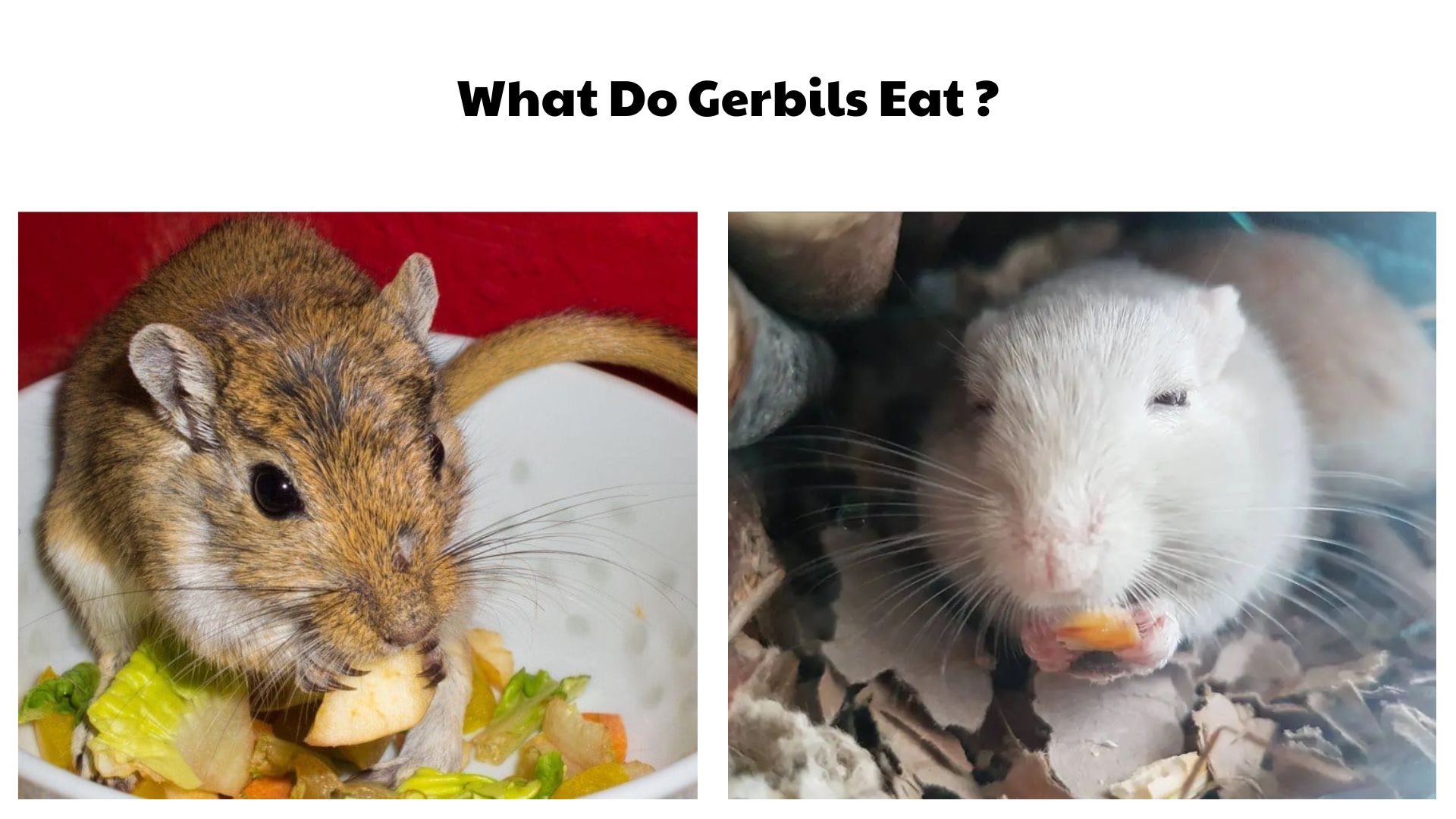
Gerbils are energetic, curious little rodents known for their playful personalities, constant digging behavior, and impressive ability to adapt to dry environments. Originally native to the deserts and grasslands of Mongolia, northern China, and parts of Africa and the Middle East, gerbils have evolved to survive on a highly varied diet made up of seeds, grains, roots, insects, and fresh vegetation. Today, they are among the most popular small pets in the world because they are clean, intelligent, social, and relatively easy to care for.
Understanding what gerbils eat is one of the most important parts of responsible gerbil care. A poor diet can quickly lead to obesity, dehydration, dental problems, digestive issues, vitamin deficiencies, and shortened lifespan. On the other hand, a balanced and species-appropriate diet helps maintain healthy teeth, shiny fur, strong bones, stable energy levels, and natural behaviors like foraging and chewing.
Many new owners assume gerbils can survive entirely on commercial seed mixes, but gerbils actually need much more variety than most people realize. In the wild, they spend hours searching for edible plants, roots, dry grasses, seeds, and occasional protein sources. Pet gerbils thrive when their captive diet reflects these natural feeding instincts.
A healthy gerbil diet typically includes:
- High-quality gerbil pellets or fortified food
- Seeds and grains in moderation
- Fresh vegetables
- Small amounts of fruit
- Occasional protein sources
- Safe chewing foods for dental health
Gerbils are omnivores, meaning they eat both plant and animal matter. However, their digestive systems are sensitive, so not every human food is safe for them. Some foods that seem harmless can upset their stomachs or even become toxic. Learning which foods are nutritious and which should be avoided helps owners create a diet that supports long-term health.
Another important aspect of feeding gerbils is understanding their natural behavior. Gerbils instinctively hoard food inside tunnels and nesting areas. In the wild, this behavior helps them survive harsh desert conditions where food may not always be available. Pet gerbils continue this habit, often hiding food around their enclosure instead of eating it immediately. This is completely normal and should not be mistaken for overeating.
Hydration is also an important consideration. Wild gerbils evolved to obtain much of their moisture from fresh plants and roots rather than standing water. Domestic gerbils still require fresh drinking water daily, but many also enjoy moisture-rich vegetables such as cucumber, zucchini, and leafy greens.
Because gerbils have continuously growing teeth, their food texture matters just as much as nutrition. Crunchy seeds, dry pellets, and fibrous vegetables help wear down their teeth naturally and prevent dangerous dental overgrowth. Soft diets without enough chewing opportunities can eventually lead to painful oral problems.
Gerbils are also highly active animals with fast metabolisms. Their bodies require a careful balance of carbohydrates, healthy fats, fiber, vitamins, minerals, and protein. Too much sugar or fatty food can quickly lead to weight gain, while insufficient protein may affect muscle health and fur quality.
One of the best ways to keep pet gerbils mentally stimulated is through food enrichment. Scatter feeding, offering different textures, and rotating safe foods can encourage natural foraging behavior and reduce boredom. Gerbils enjoy exploring new tastes and textures when introduced slowly and safely.
In this guide, you will discover 30 foods gerbils love the most, including seeds, vegetables, fruits, protein sources, and staple foods that support a healthy diet. Each section explains the nutritional value of the food, how gerbils eat it in nature, and the safest way to offer it to pet gerbils at home.
Whether you are a first-time gerbil owner or an experienced small pet enthusiast, understanding proper gerbil nutrition can help your pets live happier, healthier, and more active lives.
What Do Gerbils Eat in the Wild?
Wild gerbils survive in some of the harshest environments on Earth, including dry deserts, rocky grasslands, and semi-arid plains. Food availability changes throughout the seasons, so gerbils evolved to become opportunistic omnivores capable of eating a wide range of foods.
Unlike strict herbivores, gerbils do not rely on a single food source. Instead, they consume seeds, grains, roots, leaves, insects, and seasonal fruits whenever they become available. Their flexible diet helps them adapt to changing environmental conditions and periods of drought.
Wild gerbils spend much of their day foraging. They often travel through underground tunnel systems while collecting seeds and plant material to store in food chambers. This hoarding behavior allows them to survive when food becomes scarce.
Desert environments rarely provide abundant water, so gerbils naturally obtain hydration from moisture-rich roots and plants. Their kidneys are highly efficient at conserving water, which is one reason gerbils produce less urine than many other rodents.
The following foods represent some of the most important dietary items that both wild and pet gerbils commonly enjoy.
1. Gerbil Pellets
Gerbil pellets are one of the best staple foods for domesticated gerbils because they provide balanced nutrition in every bite. Unlike loose seed mixes, pellets are carefully formulated to contain the proper ratio of protein, fiber, carbohydrates, vitamins, and minerals needed for long-term health. Many veterinarians and small animal nutrition experts recommend pellets as the foundation of a healthy gerbil diet.
Although wild gerbils do not eat commercial pellets in nature, these foods are designed to mimic the nutritional diversity they would normally obtain through natural foraging. In desert habitats, gerbils consume a broad mixture of seeds, grasses, roots, and occasional insects. Pellets help replicate this nutritional balance while reducing the risk of selective feeding.
One major advantage of pellets is that gerbils cannot pick out only their favorite ingredients. With seed mixes, many gerbils selectively eat high-fat seeds and ignore healthier ingredients, eventually leading to nutritional deficiencies or obesity. Pellets encourage more complete and consistent nutrient intake.
High-quality gerbil pellets usually contain:
- Plant-based proteins
- Whole grains
- Fiber for digestion
- Essential vitamins
- Minerals like calcium and phosphorus
- Healthy fats in controlled amounts
Texture is also important. Pellets are firm and crunchy, which helps wear down a gerbil’s constantly growing teeth. Dental health is critical for rodents because overgrown teeth can interfere with eating and cause severe pain or infections.
Gerbils typically enjoy carrying pellets into their tunnels or nesting areas before eating them. This behavior reflects their natural instinct to collect and store food for later use. Owners may notice hidden pellet stashes throughout the enclosure, especially under bedding or inside shelters.
When choosing gerbil pellets, it is important to avoid products containing excessive sugar, artificial coloring, or sticky ingredients. Simple, high-fiber formulas are usually the healthiest option. Pellets should also be fresh because stale food loses nutritional value over time.
Pellets should make up a significant portion of a pet gerbil’s daily diet, but they should not be the only food offered. Supplementing pellets with fresh vegetables, occasional fruits, and healthy treats provides mental stimulation and dietary variety.
Fresh water should always accompany pellet-based diets because dry foods naturally increase thirst. Gerbils may drink less than other rodents due to their desert ancestry, but clean water remains essential for kidney function and hydration.
Overall, gerbil pellets are one of the safest and most reliable foods for maintaining balanced nutrition, healthy teeth, and stable energy levels in pet gerbils.
2. Seed Mixes
Seed mixes are among the most popular foods offered to pet gerbils because they closely resemble the types of foods wild gerbils naturally forage for in desert environments. In the wild, gerbils spend hours searching for scattered seeds from grasses, shrubs, and seasonal plants. These tiny nutrient-rich foods provide energy, fats, fiber, and important micronutrients necessary for survival in harsh climates.
Wild gerbils are highly skilled seed collectors. They use their sharp sense of smell and strong front paws to locate edible seeds buried beneath dry soil or hidden among grasses. Once found, the seeds are often stored inside underground burrows for future consumption.
Commercial seed mixes attempt to recreate this natural dietary behavior by combining a variety of seeds, grains, and dried plant materials. Common ingredients include millet, oats, sunflower seeds, flaxseed, pumpkin seeds, barley, and wheat.
Gerbils particularly enjoy the foraging experience associated with seed mixes. Instead of eating identical pellets, they can search through different textures, shapes, and flavors. This mental stimulation is valuable because gerbils are highly intelligent and active animals that benefit from enrichment.
However, not all seed mixes are equally healthy. Some commercial blends contain excessive fatty seeds, sugary dried fruits, or artificial ingredients that may contribute to obesity and poor nutrition. Gerbils naturally prefer high-fat foods, so they may selectively eat unhealthy ingredients first if given the opportunity.
To create a balanced diet, owners should choose seed mixes with:
- High fiber content
- Limited sugary ingredients
- Moderate fat levels
- Natural grains and seeds
- No artificial dyes
Seed mixes also encourage natural chewing behavior. Cracking seed shells helps keep gerbil teeth trimmed while providing physical and mental activity. Gerbils often sit upright while holding seeds with their front paws, carefully gnawing them open piece by piece.
Because seeds are calorie-dense, portion control is important. Too many fatty seeds can quickly lead to weight gain, especially in less active gerbils. Seed mixes should ideally complement a balanced pellet diet rather than replace it entirely.
Some owners scatter seed mixes around the enclosure instead of placing them only in bowls. This encourages natural foraging behavior and keeps gerbils physically active. Searching through bedding for hidden seeds mimics how wild gerbils locate food in desert habitats.
Seed mixes remain one of the most enjoyable and instinctively satisfying foods for gerbils when fed responsibly and balanced with healthier staple foods.
3. Sunflower Seeds
Sunflower seeds are one of the favorite treats enjoyed by both wild and pet gerbils. These nutrient-dense seeds contain healthy fats, protein, vitamin E, and essential minerals that help support energy production, skin health, and overall vitality.
In natural environments, gerbils actively seek out oily seeds because they provide concentrated calories necessary for survival in dry habitats where food may not always be available. Fat-rich seeds are especially valuable during colder seasons or times of food scarcity.
Pet gerbils are usually extremely enthusiastic about sunflower seeds. Many gerbils will immediately grab a seed with their front paws, sit upright, and carefully crack open the shell using their sharp incisors. This feeding behavior provides both entertainment and natural dental exercise.
Sunflower seeds contain:
- Healthy unsaturated fats
- Protein
- Vitamin E
- Magnesium
- Selenium
- Fiber
The high fat content makes sunflower seeds an excellent occasional energy source, but moderation is essential. Too many sunflower seeds can contribute to obesity and nutritional imbalance because gerbils may ignore healthier foods in favor of these tasty treats.
Most experts recommend offering sunflower seeds only as occasional rewards or training treats rather than daily staple foods. A few seeds several times per week is generally sufficient for healthy adult gerbils.
Sunflower seeds also serve as valuable enrichment items. Cracking the shells stimulates natural chewing instincts and helps maintain proper tooth wear. Gerbils enjoy the challenge of opening the shells, which keeps them mentally engaged.
Unsalted, raw sunflower seeds are the safest option. Salted or flavored seeds designed for human consumption should never be fed because excess sodium can be harmful to small animals.
Some gerbil owners use sunflower seeds to build trust with nervous pets. Because gerbils find them highly rewarding, they often become more comfortable approaching hands that offer sunflower seeds regularly.
In the wild, gerbils rarely consume large amounts of fatty foods all at once. Instead, they gather seeds gradually while balancing them with fibrous plants, roots, and grasses. Replicating this balance in captivity helps maintain optimal health.
When fed responsibly, sunflower seeds can be a nutritious, enjoyable, and enriching addition to a gerbil’s diet.
4. Pumpkin Seeds
Pumpkin seeds are a nutritious and highly enjoyable snack for gerbils. These flat green seeds are packed with healthy fats, plant-based protein, fiber, antioxidants, and important minerals that support a gerbil’s overall health. In the wild, gerbils naturally search for calorie-rich seeds whenever they become available because seeds provide concentrated energy that helps them survive in dry, challenging environments.
Wild gerbils are opportunistic foragers and will consume a wide variety of seeds from seasonal plants and grasses. Pumpkin seeds resemble many of the nutrient-dense seeds they would naturally encounter in desert and grassland habitats. Their crunchy texture also satisfies the gerbil’s instinctive need to gnaw and chew.
One reason pumpkin seeds are so beneficial is their mineral content. They contain magnesium, zinc, iron, and phosphorus, all of which support important body functions including muscle health, bone strength, immune function, and metabolism. Pumpkin seeds are also rich in vitamin E, which helps protect cells from oxidative damage.
Gerbils typically enjoy holding pumpkin seeds with their front paws while gnawing on the shell and kernel. This feeding behavior provides excellent mental stimulation and supports natural chewing instincts. Because gerbil teeth grow continuously throughout life, foods that require gnawing are especially valuable.
Another advantage of pumpkin seeds is their protein content. Protein supports muscle maintenance, tissue repair, fur quality, and healthy growth. Wild gerbils obtain protein from a mixture of seeds, plants, and occasional insects, so pumpkin seeds can help contribute to a balanced omnivorous diet.
However, pumpkin seeds should still be fed in moderation because they are relatively high in fat. Excessive fatty treats may contribute to obesity and reduce interest in healthier staple foods. A few pumpkin seeds several times a week is usually enough for most healthy adult gerbils.
Raw, unsalted pumpkin seeds are always the safest option. Salted or flavored varieties intended for human consumption may contain unhealthy additives or excessive sodium that can harm small animals.
Some owners prefer offering shelled pumpkin seeds, while others provide whole seeds with shells intact. Both are generally safe, but whole seeds offer more chewing activity and enrichment. Gerbils often enjoy the challenge of cracking shells open before eating the nutritious interior.
Scatter-feeding pumpkin seeds throughout the enclosure can encourage natural foraging behavior. Searching through bedding for hidden treats keeps gerbils physically active and mentally stimulated, closely mimicking how wild gerbils spend their time in nature.
Overall, pumpkin seeds are an excellent occasional treat that provides healthy fats, minerals, enrichment, and chewing exercise when included as part of a balanced gerbil diet.
5. Mealworms
Mealworms are one of the most valuable protein-rich foods that gerbils can eat. Although many people think of gerbils as strict herbivores, they are actually omnivores in the wild. Insects form an important part of their natural diet, especially in dry habitats where plant-based protein may be limited.
Wild gerbils opportunistically consume insects such as beetles, larvae, and small invertebrates whenever they encounter them. These animal-based foods provide concentrated protein, fat, and essential amino acids that support muscle development, tissue repair, reproductive health, and energy production.
Mealworms are commonly used in captive gerbil diets because they are easy to obtain and nutritionally dense. Both dried and live mealworms can be offered safely in moderation. Many gerbils become extremely excited when presented with mealworms because they instinctively recognize them as a valuable food source.
Mealworms contain:
- High-quality protein
- Healthy fats
- B vitamins
- Iron
- Zinc
- Essential amino acids
Protein is especially important for young growing gerbils, pregnant females, nursing mothers, and highly active individuals. Gerbils that lack sufficient protein may develop poor coat quality, muscle weakness, or reduced activity levels over time.
Live mealworms can also provide enrichment because they encourage hunting and exploratory behavior. Gerbils may chase, grab, and manipulate live insects much like their wild relatives do when searching for prey in natural habitats.
Dried mealworms are more convenient for many owners and still provide excellent nutrition. Because they are shelf-stable, they are commonly used as occasional treats or protein supplements.
Despite their nutritional benefits, mealworms should not become the main component of a gerbil’s diet. Excessive animal protein or fat may lead to weight gain or digestive imbalance. Small portions once or twice weekly are usually sufficient for healthy adult gerbils.
Mealworms should always be fresh and free from preservatives or seasoning. Insects intended for reptiles or birds are generally suitable if they are plain and properly stored.
Gerbils often carry mealworms into their hiding areas before eating them. This hoarding behavior is completely natural and reflects their survival instincts in the wild, where food sources are unpredictable.
Adding occasional mealworms to a gerbil’s diet provides important nutritional variety while supporting natural omnivorous feeding behavior.
6. Boiled Egg
Boiled egg is an excellent occasional protein source for gerbils. While it may seem unusual to feed eggs to a small rodent, wild gerbils naturally consume animal protein whenever the opportunity arises. Insects, larvae, and other nutrient-rich foods help support growth, energy, and tissue repair in harsh natural environments.
Eggs are rich in complete protein, meaning they contain all essential amino acids required for healthy body function. Protein is especially important for maintaining muscles, supporting fur quality, and promoting healthy growth in young gerbils.
Boiled eggs also contain:
- Vitamin B12
- Vitamin D
- Selenium
- Iron
- Healthy fats
- Choline
These nutrients contribute to brain function, metabolism, immune health, and energy production. Choline, in particular, supports nervous system health and cellular function.
Gerbils usually enjoy small pieces of plain boiled egg, especially the white portion. The texture is soft and easy to eat, making it suitable for older gerbils or individuals with mild dental issues. However, eggs should only be offered in small quantities because they are relatively rich foods.
Plain hard-boiled egg is the safest preparation method. Eggs cooked with butter, oil, salt, or seasoning should never be offered because these additives may upset a gerbil’s digestive system.
Because eggs spoil quickly, uneaten portions should be removed from the enclosure after a short time. Warm environments can cause protein-rich foods to spoil rapidly, potentially attracting bacteria or insects.
Boiled egg can be especially beneficial for pregnant or nursing female gerbils, which often require additional protein to support reproduction and milk production. Young growing gerbils may also benefit from occasional protein supplementation.
Despite its nutritional value, boiled egg should never replace a balanced staple diet. Gerbils still require fiber-rich plant foods, seeds, and pellets for proper digestion and dental health.
Offering small pieces by hand can also help strengthen trust between owners and gerbils. Many gerbils eagerly accept protein-rich treats directly from human hands once they feel comfortable.
When fed occasionally and in moderation, boiled egg provides valuable protein and nutrients that complement a balanced omnivorous gerbil diet.
7. Chickpeas
Chickpeas are a nutritious legume that can provide gerbils with plant-based protein, fiber, and slow-release carbohydrates. Also known as garbanzo beans, chickpeas are widely appreciated for their dense nutritional profile and can be safely offered to gerbils in small amounts when cooked properly.
Wild gerbils naturally consume various seeds, roots, grasses, and edible plant materials whenever available. Although they may not regularly encounter cultivated chickpeas in nature, legumes share many nutritional similarities with the wild seeds and plant proteins gerbils evolved to eat.
Chickpeas contain:
- Plant protein
- Dietary fiber
- Iron
- Magnesium
- Potassium
- B vitamins
Fiber is especially important because it supports healthy digestion and helps maintain proper gut function. Gerbils have sensitive digestive systems that perform best with balanced fiber intake from natural foods.
The protein found in chickpeas can help support muscle maintenance, tissue repair, and healthy fur. Gerbils are active animals that constantly climb, dig, chew, and explore, so adequate protein intake helps maintain healthy body condition.
Cooked chickpeas are softer than seeds, which gives gerbils a different texture to explore. Some gerbils enjoy nibbling on small mashed pieces, while others prefer firmer cooked chickpeas that still require chewing.
Only plain cooked chickpeas should be fed. Canned chickpeas often contain salt and preservatives that are unsafe for small animals. Dry chickpeas should be fully cooked until soft before feeding because raw legumes can be difficult to digest.
Portion size is important because chickpeas are calorie-dense. Small amounts offered occasionally are usually sufficient. Excessive legumes may cause digestive upset or contribute to weight gain if fed too frequently.
Some owners mash cooked chickpeas into tiny portions and combine them with vegetables or grains as enrichment treats. Introducing new foods gradually helps prevent stomach upset and allows owners to monitor how their gerbil reacts.
Chickpeas can be a useful addition to a varied diet because they provide nutritional diversity and plant-based protein while encouraging exploratory feeding behavior.
8. Lentils
Lentils are another healthy legume that gerbils can enjoy in moderation. These small nutrient-rich legumes are packed with protein, fiber, minerals, and complex carbohydrates that support energy production and digestive health.
In the wild, gerbils naturally consume many different seeds and plant materials with similar nutritional properties. Lentils resemble the nutrient-dense foods wild gerbils forage for in dry grasslands and semi-desert habitats.
Lentils provide:
- Plant-based protein
- Dietary fiber
- Iron
- Folate
- Magnesium
- Potassium
These nutrients help support healthy muscles, blood circulation, metabolism, and digestive function. Folate is especially important for cellular growth and tissue maintenance.
Cooked lentils are generally the safest option for gerbils because raw lentils may be difficult to digest. Plain boiled lentils without salt, spices, or oil are ideal.
Gerbils often enjoy exploring the soft texture of cooked lentils, especially when offered in small portions. Lentils can also be mixed with vegetables or grains to create enrichment feeding opportunities.
Like other legumes, lentils should only be fed occasionally because excessive amounts may disrupt digestive balance. Small portions once or twice weekly are usually appropriate.
9. Peas
Peas are one of the healthiest vegetables that gerbils can enjoy as part of a balanced and varied diet. These small green legumes provide important nutrients, gentle fiber, and natural sweetness without containing excessive fat. In the wild, gerbils consume many different forms of fresh vegetation whenever seasonal plant growth becomes available, and peas offer a nutritional profile similar to many tender plant foods found in natural habitats.
Fresh peas are rich in:
- Vitamin C
- Vitamin K
- Plant-based protein
- Dietary fiber
- Manganese
- Folate
These nutrients support immune function, bone health, healthy digestion, and cellular repair. Fiber is especially important for gerbils because it helps regulate digestion and supports healthy gut bacteria.
Gerbils are naturally curious eaters, and many enjoy the soft yet slightly firm texture of peas. Fresh peas can provide hydration in addition to nutrition because they contain a high percentage of water. This moisture is beneficial since wild gerbils evolved in arid regions where fresh vegetation often served as a secondary source of hydration.
One reason peas are popular among gerbil owners is their moderate protein content. Compared to many vegetables, peas contain more plant protein, which helps support muscle maintenance and overall body condition. Active gerbils burn energy quickly through digging, climbing, and constant movement, making balanced protein intake important.
Fresh peas are usually safer and healthier than canned peas. Canned products often contain added sodium and preservatives that are unsuitable for small rodents. Frozen peas may also be offered if thawed completely and served plain.
Gerbils typically enjoy peas in small quantities. Because peas contain natural sugars and carbohydrates, moderation is still necessary. Feeding too many sweet vegetables may contribute to excess calorie intake or digestive imbalance.
Owners should introduce peas gradually when offering them for the first time. Gerbils can have sensitive stomachs, and sudden dietary changes may lead to soft stools or mild digestive upset. Starting with one or two peas allows owners to monitor tolerance safely.
Some gerbils enjoy carrying peas into their food storage areas before eating them later. This behavior reflects their instinctive hoarding habits developed in the wild, where collecting and storing food is essential for survival.
Peas can also be used as enrichment foods. Hiding peas inside cardboard tubes, paper bedding, or digging boxes encourages natural foraging behavior and keeps gerbils mentally active.
Overall, peas are a safe, nutritious, and hydrating vegetable that can add healthy variety to a gerbil’s diet when fed in moderation.
10. Carrots
Carrots are one of the most commonly recommended vegetables for gerbils because they are nutritious, crunchy, and naturally appealing to small rodents. In the wild, gerbils frequently dig for roots and underground plant material, making carrots a food that strongly matches their natural feeding instincts.
Carrots contain several important nutrients, including:
- Beta-carotene
- Vitamin A
- Fiber
- Potassium
- Antioxidants
- Natural carbohydrates
Beta-carotene is especially valuable because the body converts it into vitamin A, which supports eye health, immune function, and skin maintenance. Antioxidants help protect cells from damage caused by oxidative stress.
The crunchy texture of raw carrots is one of their greatest benefits for gerbils. Rodents have continuously growing teeth that require constant wear through chewing. Gnawing on firm vegetables like carrots helps maintain proper tooth length and reduces the risk of dental overgrowth.
Wild gerbils naturally chew on tough roots, dry vegetation, and fibrous plant material while foraging underground. Offering carrots in captivity helps mimic these natural feeding behaviors.
Most gerbils enjoy small carrot slices or thin carrot sticks. Some individuals prefer softer cooked carrots, but raw carrots generally provide more chewing enrichment and dental benefits.
Because carrots contain natural sugars, they should still be fed in moderation. Too many sweet vegetables may contribute to excess calorie intake or unhealthy weight gain over time. Small portions several times per week are usually appropriate for healthy adult gerbils.
Fresh carrots also provide moisture, which can help support hydration. Although gerbils are highly adapted to dry environments and conserve water efficiently, moisture-rich foods can still contribute positively to their overall hydration status.
Carrot tops are also safe for gerbils in small quantities if thoroughly washed. The leafy greens contain additional fiber and nutrients, though some gerbils prefer the root itself.
When feeding carrots, owners should wash them carefully to remove pesticides or dirt. Organic carrots are often preferred when available, but any fresh carrot can be safe if cleaned properly.
Gerbils often carry carrot pieces back to their nesting areas before eating them slowly. This behavior reflects their natural food-hoarding instincts and should not be mistaken for food avoidance.
In addition to nutrition, carrots provide environmental enrichment. Hanging carrot pieces from chew toys or hiding them around the enclosure encourages exploration and activity.
Overall, carrots are one of the safest and most beneficial vegetables for gerbils, offering vitamins, fiber, hydration, and important dental support.
11. Broccoli
Broccoli is a highly nutritious vegetable that can be a healthy addition to a gerbil’s diet when offered in moderation. This green cruciferous vegetable contains valuable vitamins, minerals, antioxidants, and fiber that support overall health and digestion.
Wild gerbils naturally consume leaves, stems, grasses, and various forms of fresh plant matter whenever available. Although broccoli is not a natural desert plant, its fibrous structure and nutritional value make it suitable for captive gerbils.
Broccoli provides:
- Vitamin C
- Vitamin K
- Fiber
- Calcium
- Potassium
- Antioxidants
Vitamin C supports immune function and tissue repair, while fiber helps maintain healthy digestion. Antioxidants may help protect cells from damage and support long-term wellness.
Gerbils usually enjoy nibbling on broccoli florets and stems. The crunchy texture encourages chewing, which is beneficial for dental health. Chewing firm vegetables helps naturally wear down continuously growing teeth.
Fresh raw broccoli is typically the best option because it retains maximum nutritional value. Some gerbils prefer softer steamed broccoli, but cooked vegetables should always be plain and free from oils, salt, or seasoning.
One important consideration is portion size. Large amounts of broccoli may occasionally cause mild gas or digestive discomfort in sensitive gerbils. Small portions once or twice weekly are usually sufficient.
Introducing broccoli gradually helps reduce the risk of digestive upset. Gerbils have sensitive digestive systems and respond best to slow dietary changes.
Broccoli can also provide hydration because it contains significant water content. Moisture-rich vegetables are useful supplements to a gerbil’s water intake, especially during warmer weather.
Some gerbil owners use broccoli pieces as enrichment foods by hiding them inside cardboard tubes or forage toys. This encourages natural exploration and feeding behaviors.
Overall, broccoli is a safe and nutrient-rich vegetable that can provide variety, fiber, and vitamins as part of a balanced gerbil diet.
12. Cucumber
Cucumber is a refreshing, hydrating vegetable that many gerbils enjoy eating in small amounts. Because gerbils evolved in dry environments where water can be difficult to find, moisture-rich foods like cucumber may help supplement hydration while also providing nutritional variety.
Cucumbers are made mostly of water, but they also contain beneficial nutrients such as:
- Vitamin K
- Potassium
- Fiber
- Magnesium
- Small amounts of vitamin C
Although cucumbers are not highly calorie-dense, they offer hydration and enrichment benefits that can support overall well-being. Gerbils often enjoy the cool texture and mild flavor, especially during warmer seasons.
Wild gerbils naturally obtain moisture from roots, shoots, and fresh vegetation. Cucumbers can mimic some of these natural moisture sources when offered responsibly.
The soft texture of cucumber makes it easy for gerbils to chew, though the firmer skin still provides some gnawing activity. Many gerbils enjoy nibbling both the flesh and skin.
Because cucumber contains so much water, excessive amounts may lead to loose stools or digestive imbalance. Small thin slices are usually enough for one feeding session.
Fresh cucumber should always be washed thoroughly before feeding to remove dirt or pesticide residue. Organic cucumbers may reduce exposure to chemicals, though properly cleaned conventional cucumbers are generally safe.
Gerbils may carry cucumber pieces into their nests, but moist vegetables should not remain inside the enclosure for long periods because they can spoil quickly. Any uneaten fresh food should be removed after several hours.
Cucumber can be especially useful for older gerbils or individuals with mild dental sensitivity because it is soft and easy to eat. However, crunchy foods are still necessary elsewhere in the diet for proper tooth wear.
Many owners use cucumber as a bonding treat because its mild flavor is appealing without being overly sugary or fatty. Hand-feeding fresh vegetables can help shy gerbils become more comfortable around humans.
Overall, cucumber is a safe, hydrating, and refreshing vegetable that works well as an occasional treat in a healthy gerbil diet.
13. Zucchini
Zucchini is a soft, nutrient-rich vegetable that can be a healthy and refreshing addition to a gerbil’s diet. This mild-tasting squash contains beneficial vitamins, minerals, antioxidants, and moisture while remaining relatively low in calories. Gerbils often enjoy zucchini because of its tender texture and subtle sweetness.
Wild gerbils naturally consume a variety of seasonal plants, shoots, roots, and fresh vegetation whenever available. Although zucchini is not part of a natural desert ecosystem, it shares many nutritional characteristics with the moisture-rich plants wild gerbils occasionally encounter after rainfall.
Zucchini contains:
- Vitamin C
- Vitamin B6
- Potassium
- Manganese
- Fiber
- Antioxidants
Vitamin C helps support immune function and tissue repair, while potassium contributes to healthy muscle and nerve activity. Fiber promotes healthy digestion and supports proper gut movement.
One major benefit of zucchini is its high water content. Although gerbils are naturally adapted to dry environments, moisture-rich vegetables can still help support hydration, especially in warm weather or for gerbils that drink less water than average.
The texture of zucchini also makes it suitable for older gerbils or those with mild dental discomfort. Soft vegetables are easier to chew while still offering nutritional value. However, gerbils still need crunchy foods elsewhere in their diet to maintain healthy tooth wear.
Raw zucchini is usually the best option because it retains more nutrients and provides slightly more chewing stimulation. Thin slices or small cubes are ideal serving sizes. Cooked zucchini can also be fed if plain and free from seasoning, oil, butter, or salt.
Like many fresh vegetables, zucchini should be introduced gradually to avoid digestive upset. Gerbils have sensitive digestive systems and respond best to slow dietary changes.
Because zucchini spoils quickly, uneaten portions should be removed from the enclosure after a few hours. Moist vegetables left too long may attract bacteria or mold.
Some gerbil owners use zucchini as an enrichment food by hiding pieces inside cardboard tubes, digging boxes, or forage toys. This encourages natural exploration and food-searching behavior similar to what wild gerbils practice in nature.
Overall, zucchini is a safe and healthy vegetable that provides hydration, vitamins, and dietary variety when offered in moderation.
14. Bell Peppers
Bell peppers are colorful, crunchy vegetables that provide gerbils with important vitamins, antioxidants, and hydration. Many gerbils enjoy the sweet taste and crisp texture of bell peppers, making them an excellent occasional addition to a varied diet.
Wild gerbils consume a broad range of plant materials depending on seasonal availability. Their adaptable digestive systems allow them to process many fibrous vegetables and edible plants. Bell peppers provide several nutrients similar to those found in wild vegetation.
Bell peppers are rich in:
- Vitamin C
- Vitamin A
- Vitamin B6
- Fiber
- Potassium
- Antioxidants
Red bell peppers contain especially high levels of vitamin C and beta-carotene, which the body converts into vitamin A. These nutrients support immune health, eye function, skin maintenance, and cellular protection.
The crunchy texture of fresh bell peppers encourages chewing activity that helps maintain healthy teeth. Gerbils naturally gnaw on fibrous plant material in the wild, and crisp vegetables can help mimic this behavior.
Green, yellow, orange, and red bell peppers are generally all safe for gerbils. However, sweet varieties are preferred because hot peppers containing capsaicin may irritate a gerbil’s sensitive mouth and digestive tract.
Bell peppers also provide moisture, helping supplement hydration. Since gerbils evolved in dry habitats where standing water may be limited, moisture-rich foods can be beneficial additions to their diet.
Before feeding bell peppers, owners should wash them thoroughly and remove seeds and stems. Small thin slices or diced pieces are easiest for gerbils to handle and chew.
Because bell peppers contain natural sugars, they should still be fed in moderation. Too much sweet produce may contribute to digestive imbalance or excessive calorie intake.
Many gerbils enjoy carrying pepper pieces into their tunnels or hiding places before eating them. This reflects their natural food-storage behavior developed in the wild.
Bell peppers can also be used creatively for enrichment. Small pepper pieces hidden throughout the enclosure encourage exploration and physical activity while stimulating natural foraging instincts.
Overall, bell peppers are a nutritious and flavorful vegetable that provides vitamins, hydration, antioxidants, and chewing enrichment for pet gerbils.
15. Spinach
Spinach is a leafy green vegetable packed with nutrients that can benefit gerbils when fed in small quantities. This dark green plant contains important vitamins, minerals, antioxidants, and fiber that support overall health and digestion.
Wild gerbils often consume leafy vegetation when available, especially during wetter seasons when fresh plant growth appears in desert and grassland regions. Spinach shares nutritional similarities with many nutrient-rich greens found in natural habitats.
Spinach contains:
- Vitamin A
- Vitamin C
- Vitamin K
- Iron
- Calcium
- Fiber
Vitamin A supports vision and immune function, while vitamin K plays a role in bone health and blood clotting. Iron contributes to healthy oxygen transport throughout the body.
The soft texture of spinach makes it easy for gerbils to chew and digest. Many gerbils enjoy nibbling fresh spinach leaves, especially when offered as part of a varied vegetable rotation.
However, spinach should only be fed occasionally because it contains oxalates, naturally occurring compounds that may interfere with calcium absorption if consumed excessively. Small portions once or twice weekly are usually appropriate.
Fresh spinach should always be washed thoroughly before feeding to remove dirt, pesticides, or contaminants. Organic spinach may reduce chemical exposure, though properly cleaned conventional spinach is generally safe.
Because spinach is lightweight and leafy, some gerbils enjoy dragging pieces into their nesting areas. Any uneaten leafy greens should be removed promptly because they wilt and spoil quickly.
Spinach also contributes moisture to the diet, helping support hydration. Combined with other vegetables, leafy greens can add healthy variety and enrichment to daily feeding routines.
Owners should introduce spinach gradually and observe for any digestive changes. Gerbils with particularly sensitive stomachs may tolerate very small amounts better than larger servings.
Despite its nutritional value, spinach should never replace staple foods like gerbil pellets or balanced seed mixes. It works best as a supplemental vegetable within a varied and carefully managed diet.
Overall, spinach is a nutrient-dense leafy green that can safely provide vitamins, minerals, and dietary enrichment when offered in moderation.
16. Pumpkin
Pumpkin is a nutritious and highly digestible vegetable that many gerbils enjoy. This naturally sweet squash contains fiber, vitamins, antioxidants, and moisture while remaining relatively gentle on the digestive system.
Wild gerbils are opportunistic feeders that consume seasonal plant material whenever available. In natural environments, they often eat roots, tubers, and moisture-rich vegetation after rainfall. Pumpkin shares several characteristics with these natural food sources.
Pumpkin contains:
- Beta-carotene
- Vitamin A
- Fiber
- Potassium
- Antioxidants
- Natural carbohydrates
Beta-carotene is converted into vitamin A, which supports vision, immune health, and skin maintenance. Fiber helps regulate digestion and supports healthy gut function.
The soft texture of pumpkin makes it easy for gerbils to eat, especially older individuals or those with mild dental sensitivity. Fresh pumpkin can be offered raw or lightly cooked as long as it remains plain and unseasoned.
Because pumpkin contains natural sugars, portion control is important. Small pieces once or twice weekly are generally sufficient for healthy adult gerbils.
Pumpkin seeds are also popular among gerbils and provide healthy fats and protein, though the flesh itself offers more hydration and fiber.
Many gerbils enjoy exploring the soft texture of pumpkin and may lick or nibble it slowly rather than carrying it away immediately. This creates a different feeding experience compared to crunchy seeds and pellets.
Fresh pumpkin spoils quickly, so uneaten portions should be removed within several hours. Clean feeding areas help prevent mold growth and bacterial contamination.
Pumpkin can also provide seasonal enrichment during autumn months. Small chunks hidden around the enclosure encourage foraging and exploration.
Overall, pumpkin is a healthy and easily digestible vegetable that provides fiber, hydration, and valuable nutrients when fed responsibly.
17. Fennel
Fennel is an aromatic vegetable that can provide gerbils with fiber, vitamins, and enrichment through its crunchy texture and unique flavor. Both the bulb and leafy fronds of fennel are generally safe for gerbils in moderation.
Wild gerbils naturally consume a wide range of fibrous plants and herbs while foraging across dry landscapes. Fennel’s crunchy structure and plant-based nutrients make it similar to many wild vegetation sources.
Fennel contains:
- Vitamin C
- Fiber
- Potassium
- Manganese
- Antioxidants
The crisp texture encourages chewing activity that helps maintain healthy teeth. Gerbils instinctively gnaw on fibrous plant material to wear down their continuously growing incisors.
Many gerbils enjoy the mild licorice-like scent and flavor of fennel, though individual preferences vary. Some may prefer the crunchy bulb, while others enjoy nibbling the soft green fronds.
Fresh fennel should be washed thoroughly before feeding and served in small pieces. Because fennel has a strong natural flavor, moderation is important when first introducing it.
Fennel can provide both nutritional variety and sensory enrichment. New textures and scents help stimulate curiosity and exploratory behavior in intelligent small animals like gerbils.
Overall, fennel is a safe and interesting vegetable that offers fiber, vitamins, and chewing enrichment when included occasionally in a gerbil’s diet.
18. Cauliflower
Cauliflower is a mild, crunchy vegetable that can be safely offered to gerbils in small amounts as part of a varied and balanced diet. This cruciferous vegetable contains important vitamins, antioxidants, fiber, and hydration while also providing chewing enrichment that supports dental health.
Wild gerbils naturally consume fibrous plant material whenever available, especially during seasons when fresh vegetation becomes more abundant. Although cauliflower is not found in desert ecosystems, its nutritional profile and texture make it a suitable supplemental food for pet gerbils.
Cauliflower contains:
- Vitamin C
- Vitamin K
- Fiber
- Folate
- Potassium
- Antioxidants
Vitamin C supports tissue repair and immune health, while fiber helps regulate digestion and maintain healthy gut function. Antioxidants may help protect cells from oxidative damage and support overall wellness.
Both the florets and stems of cauliflower are generally safe for gerbils. Many gerbils enjoy the crunchy texture of the stems because gnawing helps naturally wear down their continuously growing teeth. Dental maintenance is extremely important for rodents because overgrown teeth can interfere with eating and cause painful health problems.
Fresh cauliflower also contains moisture, which can contribute to hydration. Wild gerbils evolved to obtain some of their water from fresh vegetation, roots, and shoots, so moisture-rich vegetables can support natural feeding patterns.
However, cauliflower should only be fed in moderation. Like other cruciferous vegetables, excessive amounts may occasionally cause mild bloating or digestive discomfort in sensitive gerbils. Small portions once or twice weekly are usually sufficient.
Raw cauliflower is generally preferred because it provides better chewing enrichment and retains more nutrients. If cooked cauliflower is offered, it should always be plain without salt, oil, butter, or seasoning.
Gerbils often carry cauliflower pieces into their tunnels or storage areas before eating them. This behavior is completely natural and reflects their instinctive food-hoarding habits developed in the wild.
Introducing cauliflower gradually helps reduce the risk of digestive upset. Small animals often respond better to slow dietary changes rather than sudden additions of unfamiliar foods.
Some owners use cauliflower pieces as enrichment by hiding them around the enclosure or placing them inside cardboard forage toys. This encourages natural exploration and activity.
Overall, cauliflower is a healthy, crunchy vegetable that can provide fiber, hydration, vitamins, and chewing benefits when fed responsibly.
19. Cabbage
Cabbage is a leafy vegetable that can provide gerbils with valuable nutrients, fiber, and hydration when offered occasionally in small amounts. Its crisp texture and mild flavor make it appealing to many gerbils, especially those that enjoy leafy greens.
Wild gerbils naturally consume leaves, shoots, and various types of vegetation when seasonal growth appears in dry habitats. Cabbage resembles many fibrous greens that wild rodents forage for during wetter periods.
Cabbage contains:
- Vitamin C
- Vitamin K
- Fiber
- Folate
- Potassium
- Antioxidants
These nutrients support immune function, digestion, bone health, and cellular repair. Fiber is particularly important because it helps maintain healthy digestive movement and supports gut bacteria.
Gerbils often enjoy chewing the crunchy leaves and stems of fresh cabbage. The crisp texture encourages natural gnawing behavior that helps keep teeth properly worn down.
Green cabbage, red cabbage, and savoy cabbage are generally all safe for gerbils when fed in moderation. However, because cabbage belongs to the cruciferous vegetable family, excessive amounts may occasionally cause digestive discomfort or gas.
Small portions are best, especially when introducing cabbage for the first time. Gerbils with sensitive digestive systems may tolerate only tiny amounts initially.
Fresh cabbage should always be washed thoroughly before feeding to remove dirt or chemical residue. Organic produce may reduce pesticide exposure, though properly cleaned conventional cabbage is typically safe.
The moisture content of cabbage also contributes to hydration. While gerbils are highly efficient at conserving water, fresh vegetables can still support healthy fluid intake.
Some gerbils prefer soft inner cabbage leaves, while others enjoy the firmer outer portions. Individual preferences often vary depending on texture and flavor.
Because cabbage spoils quickly, uneaten portions should be removed after several hours to maintain enclosure cleanliness and prevent bacterial growth.
When fed responsibly, cabbage can provide healthy dietary variety and encourage natural feeding behavior. However, it should always remain a supplemental vegetable rather than a dietary staple.
Overall, cabbage is a safe leafy vegetable that offers fiber, hydration, vitamins, and chewing enrichment in moderation.
20. Sweet Potato
Sweet potato is a nutrient-rich root vegetable that many gerbils enjoy because of its naturally sweet flavor and soft yet chewy texture. In the wild, gerbils frequently dig for roots and underground plant material, making root vegetables like sweet potato particularly compatible with their natural feeding instincts.
Sweet potatoes contain:
- Beta-carotene
- Vitamin A
- Fiber
- Potassium
- Vitamin C
- Complex carbohydrates
Beta-carotene is converted into vitamin A, which supports vision, immune health, and skin maintenance. Complex carbohydrates provide steady energy, which is useful for active animals like gerbils that spend much of their time digging, climbing, and exploring.
The fiber content in sweet potato supports healthy digestion and helps regulate gut movement. Wild gerbils naturally consume fibrous roots and plant materials that contribute to digestive health in similar ways.
Gerbils can eat sweet potato either raw or cooked, though many owners prefer lightly cooked plain sweet potato because it becomes softer and easier to chew. Raw sweet potato offers more chewing resistance, which may help support dental wear.
Any cooked sweet potato offered to gerbils should always be plain without butter, sugar, salt, spices, or oil. Processed sweet potato products intended for humans are not appropriate for small rodents.
Because sweet potatoes contain natural sugars and carbohydrates, portion size is important. Small cubes or thin slices offered occasionally are usually sufficient. Too much sweet potato may contribute to excess calorie intake or digestive upset.
Fresh sweet potato can also provide moisture and enrichment. Gerbils often enjoy carrying pieces into their nesting areas and slowly gnawing on them over time.
Sweet potato is especially useful during colder months because its calorie density provides extra energy. However, balance remains important to avoid overfeeding sugary vegetables.
Some owners use small sweet potato pieces as training treats because many gerbils find them highly appealing. Hand-feeding healthy treats can help strengthen trust and encourage social interaction.
When introducing sweet potato for the first time, owners should monitor for digestive tolerance and avoid offering large portions immediately.
Overall, sweet potato is a healthy root vegetable that provides energy, fiber, vitamins, and enrichment when fed moderately as part of a balanced gerbil diet.
21. Apple
Apples are one of the most popular fruits offered to pet gerbils because they are naturally sweet, refreshing, and packed with beneficial nutrients. In the wild, gerbils occasionally consume seasonal fruits and moisture-rich plant material whenever available, especially during periods of increased vegetation growth.
Apples contain:
- Vitamin C
- Fiber
- Potassium
- Antioxidants
- Natural sugars
- Water
The fiber found in apples helps support healthy digestion, while antioxidants contribute to cellular protection and overall wellness. Apples also provide hydration because they contain a high percentage of water.
Most gerbils enjoy the crisp texture and sweet flavor of fresh apple slices. Chewing crunchy fruit pieces also encourages natural gnawing behavior, which helps maintain proper tooth wear.
However, apples should only be fed in moderation because they contain natural sugars. Excessive fruit consumption may contribute to obesity, digestive upset, or unhealthy blood sugar levels over time.
Fresh apples should always be washed thoroughly before feeding. The seeds and core must be removed because apple seeds contain compounds that may be harmful if consumed in large amounts.
Small thin slices or tiny cubes are ideal serving sizes. Gerbils are tiny animals, so even a small piece of fruit provides a significant treat.
Many gerbils enjoy carrying apple pieces into their tunnels before eating them later. Because fresh fruit spoils quickly, uneaten portions should be removed within a few hours.
Different apple varieties may produce different reactions from gerbils. Sweeter apples are often preferred, though tart varieties can also be enjoyed in moderation.
Apple pieces can also be used creatively as enrichment treats by hiding them around the enclosure to encourage natural foraging behavior.
Overall, apples are a safe and enjoyable occasional fruit treat that provides hydration, vitamins, and variety when fed responsibly.
22. Banana
Bananas are soft, sweet fruits that many gerbils absolutely love. Their creamy texture and natural sugars make them highly appealing, though they should always be offered in moderation due to their relatively high sugar content.
Wild gerbils rarely encounter sugary fruits regularly in desert environments, but they will opportunistically consume ripe fruits when available. This natural attraction to calorie-rich foods helps explain why pet gerbils often become excited when offered banana.
Bananas contain:
- Potassium
- Vitamin B6
- Vitamin C
- Fiber
- Natural carbohydrates
- Magnesium
Potassium supports muscle and nerve function, while carbohydrates provide quick energy for active gerbils. Fiber contributes to digestive health when bananas are fed in appropriate quantities.
The soft texture of banana makes it especially suitable for older gerbils or those with mild dental sensitivity. However, because soft foods provide less chewing resistance, they should not replace crunchy foods needed for dental wear.
Small banana slices or mashed pieces are usually easiest for gerbils to eat. Freeze-dried banana may also be offered occasionally if free from added sugar or preservatives.
Because bananas are sugary and sticky, only tiny portions should be offered at a time. Too much banana may contribute to obesity or digestive imbalance.
Fresh banana spoils rapidly, especially in warm enclosures. Uneaten portions should always be removed quickly to maintain cleanliness.
Overall, bananas are a highly enjoyable occasional treat that can provide energy, potassium, and enrichment when fed sparingly.
23. Blueberries
Blueberries are small, antioxidant-rich fruits that can be a healthy occasional treat for gerbils. In the wild, gerbils may encounter seasonal berries and fruits when vegetation is abundant after rainfall. These rare but energy-rich foods provide quick nutrition and hydration, which is why gerbils are naturally drawn to them when available.
Blueberries contain:
- Vitamin C
- Vitamin K
- Fiber
- Antioxidants (anthocyanins)
- Manganese
- Natural sugars
The most notable benefit of blueberries is their extremely high antioxidant content. Antioxidants help protect cells from oxidative stress and support long-term health. Fiber also contributes to digestive regulation, while natural sugars provide quick energy.
Gerbils typically enjoy the soft texture and juicy interior of blueberries. Because they are small and easy to hold, gerbils often manipulate them with their front paws before nibbling. This behavior reflects natural foraging instincts seen in wild rodents.
However, blueberries should only be offered in moderation. Despite their nutritional value, they contain natural sugars that may contribute to weight gain or digestive imbalance if overfed. One small blueberry occasionally is usually enough for most gerbils.
Fresh blueberries should always be washed thoroughly before feeding. Organic berries are often preferred, but properly cleaned conventional blueberries are generally safe.
Many gerbils will carry blueberries into their nests, where they may partially eat or store them. Because fruit spoils quickly, uneaten pieces should be removed promptly.
Blueberries also work well as enrichment treats when hidden inside bedding or scattered around the enclosure, encouraging natural foraging behavior and exploration.
Overall, blueberries are a safe and antioxidant-rich fruit that should be offered sparingly as part of a balanced gerbil diet.
24. Strawberries
Strawberries are sweet, fragrant fruits that many gerbils enjoy as an occasional treat. Their juicy texture and bright flavor make them highly appealing, though like all fruits, they must be fed carefully due to their sugar content.
In natural environments, gerbils may occasionally consume wild fruits or berries when seasonal conditions allow. These foods provide quick energy and hydration, which can be beneficial in dry habitats where food sources are unpredictable.
Strawberries contain:
- Vitamin C
- Fiber
- Folate
- Potassium
- Antioxidants
- Manganese
Vitamin C supports immune function and tissue repair, while antioxidants help protect cells from damage. Fiber contributes to healthy digestion and gut balance.
Gerbils often enjoy nibbling small strawberry pieces, especially the soft flesh. However, some individuals may prefer only small tastes due to the fruit’s strong aroma and high moisture content.
Because strawberries are highly perishable, they should be washed thoroughly and cut into very small pieces before feeding. Uneaten portions must be removed quickly to prevent spoilage inside the enclosure.
Strawberries are best offered as occasional treats rather than dietary staples. Excess fruit intake can lead to digestive upset or excessive sugar consumption.
Some gerbils may enjoy licking the juice before eating the flesh, while others will immediately carry pieces away for storage. Both behaviors are natural and reflect instinctive food-hoarding tendencies.
Strawberries can also be used as enrichment by hiding tiny pieces around the cage to encourage natural foraging and exploration behavior.
Overall, strawberries are a safe and enjoyable fruit treat when offered sparingly and responsibly.
25. Pear
Pear is a mild, juicy fruit that can be safely offered to gerbils in small amounts. Its soft texture and natural sweetness make it appealing to many small rodents, though moderation is essential due to sugar content.
Wild gerbils occasionally consume fruits when available in their environment, especially during seasons when vegetation and fruiting plants are abundant. These foods provide hydration and quick energy.
Pears contain:
- Fiber
- Vitamin C
- Potassium
- Antioxidants
- Natural sugars
- Water
The high fiber content in pears supports digestive health, while antioxidants help protect cells. The water content also contributes to hydration.
Gerbils typically enjoy small pear slices, though the soft texture means they require less chewing compared to crunchy foods. Because dental wear is essential for gerbils, pears should always be balanced with fibrous or hard foods.
Fresh pear should always be washed and cut into small pieces. The seeds and core should be removed because they are not suitable for consumption.
Because pears are sweet and juicy, they should only be fed occasionally. Overfeeding fruit can lead to digestive upset or excessive calorie intake.
Many gerbils will carry pear pieces into their nesting areas, though moisture-rich fruit should be removed if not eaten quickly to prevent spoilage.
Overall, pear is a safe, hydrating fruit that should be treated as an occasional enrichment food in a balanced gerbil diet.
26. Melon
Melon is a hydrating fruit that can be offered to gerbils in very small amounts as an occasional treat. Its high water content and mild sweetness make it refreshing, especially during warm weather.
In the wild, gerbils obtain moisture from fresh plants, roots, and occasional fruits when available. Melon mimics these natural hydration sources, although it should only supplement—not replace—fresh drinking water.
Melon contains:
- Vitamin A
- Vitamin C
- Potassium
- Water
- Fiber
- Antioxidants
These nutrients support hydration, immune function, and general health. However, melon is mostly water and sugar, so nutritional density is relatively low compared to vegetables or pellets.
Gerbils often enjoy the soft, juicy texture of melon, but portion control is extremely important. Too much water-rich fruit may cause loose stools or digestive discomfort.
Only small bite-sized pieces should be offered occasionally. Fresh melon should be washed, and seeds should be removed before feeding.
Because melon spoils quickly, any uneaten portion should be removed promptly to prevent bacterial growth in the enclosure.
Melon is best used as a rare treat or enrichment food rather than a regular dietary component.
Overall, melon provides hydration and variety but must be fed carefully due to its high water and sugar content.
27. Kiwi
Kiwi is a tangy, nutrient-rich fruit that can be offered to gerbils in very small quantities as an occasional treat. Its unique flavor and soft texture make it interesting for exploration, though not all gerbils will enjoy its tartness.
Wild gerbils occasionally encounter fruits in natural environments, but kiwi is not part of their native diet. However, its nutritional composition makes it safe in moderation for domestic gerbils.
Kiwi contains:
- Vitamin C
- Vitamin K
- Fiber
- Potassium
- Antioxidants
- Natural sugars
Kiwi is especially known for its high vitamin C content, which supports immune health and tissue repair. Fiber helps regulate digestion and supports gut function.
Gerbils may nibble small pieces of kiwi flesh, though some may avoid the slightly acidic taste. Texture preferences vary widely among individuals.
Only small portions should be offered, and the skin should be removed unless thoroughly cleaned and offered in very tiny amounts. Seeds are generally not harmful in small quantities, but moderation is still important.
Because kiwi is highly perishable and acidic, it should only be fed occasionally and removed quickly if not eaten.
Overall, kiwi is a safe but optional fruit treat that should be offered sparingly due to its acidity and sugar content.
28. Raspberry
Raspberries are delicate berries that can be safely offered to gerbils in small amounts. Their soft structure, mild sweetness, and antioxidant content make them a beneficial occasional treat.
In the wild, gerbils may consume seasonal berries when available, especially in regions where vegetation growth increases after rainfall. These foods provide quick energy and hydration.
Raspberries contain:
- Vitamin C
- Fiber
- Antioxidants
- Manganese
- Vitamin K
- Natural sugars
Raspberries are particularly rich in fiber and antioxidants, which support digestive health and cellular protection. Their small size makes them easy for gerbils to handle and eat.
Gerbils often enjoy nibbling raspberry pieces, though some may prefer only a few bites due to the fruit’s tart flavor.
Because raspberries are fragile and spoil quickly, they must be washed gently and offered fresh in small portions. Any uneaten fruit should be removed promptly.
Raspberries are best used as occasional enrichment treats rather than regular dietary items.
Overall, raspberries are a safe, antioxidant-rich fruit that should be fed sparingly to support a balanced diet.
29. Watermelon
Watermelon is a highly hydrating fruit that gerbils may enjoy in very small amounts. Its juicy texture and natural sweetness make it appealing, especially during warm weather.
In natural environments, gerbils obtain moisture from plants and occasional fruits. Watermelon can mimic this hydration source but should only be a supplement to regular water intake.
Watermelon contains:
- Vitamin A
- Vitamin C
- Water
- Potassium
- Antioxidants
- Natural sugars
Because watermelon is over 90% water, it is extremely hydrating but not nutrient-dense. This means it should be offered sparingly.
Gerbils may enjoy small soft pieces of watermelon flesh, but seeds should always be removed before feeding. The fruit should be served in tiny portions to avoid digestive upset.
Due to its high moisture content, watermelon can cause loose stools if overfed. Small amounts once in a while are best.
Overall, watermelon is a refreshing but occasional treat that should be carefully limited.
30. Mango
Mango is a sweet tropical fruit that gerbils may enjoy in very small amounts as an occasional treat. Its soft texture and rich flavor make it highly appealing, but it is also high in natural sugars.
Wild gerbils do not naturally encounter mango in their native habitats, but they are opportunistic eaters that can process small amounts of fruit safely when introduced responsibly.
Mango contains:
- Vitamin A
- Vitamin C
- Fiber
- Potassium
- Antioxidants
- Natural sugars
These nutrients support immune health, vision, and digestion. However, mango’s sugar content means it must be fed in moderation.
Gerbils typically enjoy small soft mango pieces, though some may prefer firmer textures. The fruit should be peeled and cut into tiny portions before feeding.
Because mango is rich and sugary, only very small amounts should be given occasionally. Excess fruit may lead to digestive imbalance or weight gain.
Fresh mango spoils quickly, so uneaten portions should always be removed promptly.
Overall, mango is a flavorful but occasional fruit treat that should be used sparingly in a balanced gerbil diet.
Conclusion
Gerbils are small desert-adapted omnivores with surprisingly diverse dietary needs. While they may look like simple seed-eating rodents, their natural diet in the wild includes a wide range of seeds, grains, roots, fresh vegetation, and occasional animal protein. This variety is what allows them to survive in harsh, dry environments where food availability changes with the seasons.
In captivity, the goal is not to replicate every wild food exactly, but to mirror the balance and nutritional diversity of their natural diet. A healthy gerbil feeding plan is built on a foundation of high-quality gerbil pellets, supported by controlled portions of seed mixes, fresh vegetables, and occasional fruits and protein sources. Each food group plays a specific role in maintaining long-term health.
Pellets provide consistent, balanced nutrition. Seeds and grains offer energy and enrichment. Vegetables supply fiber, vitamins, and hydration. Fruits add variety but should remain limited due to their sugar content. Protein sources such as mealworms or boiled egg support growth, muscle maintenance, and overall vitality when offered in moderation.
Equally important is understanding how gerbils eat. Their natural behaviors—hoarding food, foraging through bedding, and chewing constantly—are just as essential as the foods themselves. Providing opportunities for these behaviors helps reduce stress, prevent boredom, and promote mental stimulation.
Dental health is another critical factor. Because gerbil teeth grow continuously, a diet that includes crunchy seeds, fibrous vegetables, and safe chewable foods is essential to prevent overgrowth and related health problems.
Ultimately, a well-fed gerbil is an active, curious, and healthy companion. By offering a balanced diet that respects their natural instincts and nutritional needs, owners can significantly improve both the quality and length of their pet’s life.
Understanding what gerbils eat is more than just feeding—it is about supporting their biology, behavior, and well-being in a way that closely reflects how they thrive in the wild.
50+ Frequently Asked Questions About What Gerbils Eat
1. What is the best overall diet for gerbils?
A healthy gerbil diet is based on balance and variety. The foundation should always be high-quality gerbil pellets because they provide complete nutrition in every bite, including protein, fiber, vitamins, and minerals. Pellets prevent selective eating, which is a common problem with seed-only diets.
On top of pellets, gerbils should receive a controlled amount of seed mix to support natural foraging behavior. Fresh vegetables such as carrots, broccoli, and cucumber can be offered several times per week to supply fiber and hydration. Fruits should only be given occasionally because of their high sugar content.
Protein sources like mealworms or boiled egg should be included sparingly to support muscle development and overall health. A proper diet mimics the diversity of foods gerbils would naturally encounter in the wild, where they eat seeds, plants, roots, and insects depending on availability.
2. Can gerbils eat only seeds?
No, gerbils should not be fed only seeds. While seed mixes resemble part of their natural diet, they are not nutritionally complete. Many seed mixes contain high levels of fat and lack essential vitamins and minerals unless fortified.
In the wild, gerbils eat a wide range of foods including grasses, roots, insects, and fresh vegetation. A seed-only diet can lead to obesity, vitamin deficiencies, and poor dental health. Some gerbils also become selective, eating only their favorite seeds and leaving out important nutrients.
For long-term health, seeds should always be combined with pellets, vegetables, and occasional protein sources to ensure complete nutrition.
3. How often should gerbils eat vegetables?
Gerbils can eat vegetables several times per week, typically 3–5 times depending on portion size and variety. Vegetables should be offered in small amounts because gerbils have sensitive digestive systems.
Safe vegetables include carrots, zucchini, bell peppers, broccoli, and cucumber. Each vegetable provides different nutrients such as fiber, vitamins, and hydration. Rotating vegetables helps prevent nutritional imbalance and keeps feeding time interesting.
It is important to introduce new vegetables slowly to avoid stomach upset. Always remove uneaten fresh food from the enclosure to prevent spoilage.
4. Can gerbils eat fruit every day?
No, fruit should not be given daily. Although fruits like apples, bananas, and blueberries are safe, they contain natural sugars that can lead to weight gain and digestive issues if overfed.
Fruits should be considered treats rather than dietary staples. Offering small pieces 1–2 times per week is generally enough. Gerbils in the wild only occasionally encounter fruit, so their bodies are not adapted for high sugar intake.
5. Are pellets necessary for gerbils?
Yes, pellets are highly recommended as the main dietary staple for pet gerbils. Unlike seed mixes, pellets are formulated to provide balanced nutrition in every bite, preventing selective feeding and nutrient deficiencies.
Pellets support consistent intake of protein, fiber, and essential vitamins. They also help maintain dental health due to their firm texture, which encourages chewing. Even when feeding fresh foods, pellets should always remain the core of the diet.
6. Can gerbils eat insects?
Yes, gerbils are omnivores and can safely eat insects such as mealworms. In the wild, they naturally consume small insects and larvae when available, which provide valuable protein and fat.
Mealworms are commonly used in captivity because they are easy to feed and highly nutritious. They should only be offered in moderation, usually once or twice per week, to avoid excessive fat intake.
7. What vegetables are unsafe for gerbils?
Some vegetables should be avoided because they can cause digestive upset or toxicity. These include onions, garlic, raw potatoes, and anything heavily seasoned or processed.
Iceberg lettuce is also not recommended due to its low nutritional value and high water content, which may cause diarrhea. Always stick to safe vegetables like carrots, broccoli, and bell peppers.
8. Can gerbils eat cooked food?
Gerbils can eat some cooked foods such as boiled egg or lightly cooked vegetables like sweet potato. However, all cooked food must be plain and free from salt, oil, butter, or seasoning.
Cooked foods should only be offered occasionally because gerbils naturally eat mostly raw plant material in the wild. Raw foods provide better chewing stimulation and dental benefits.
9. Do gerbils need water if they eat vegetables?
Yes, gerbils always need fresh drinking water, even if they eat moisture-rich vegetables. While foods like cucumber or melon provide hydration, they are not enough to meet all water requirements.
A clean water bottle should always be available. Gerbils are adapted to dry environments but still require consistent hydration for kidney function and overall health.
10. Can gerbils eat cheese or dairy?
No, gerbils should not eat cheese or dairy products. Their digestive systems are not designed to process lactose, which can lead to stomach upset and diarrhea.
Instead of dairy, protein should come from safer sources such as insects, seeds, or boiled egg.
11. Why do gerbils store food?
Gerbils naturally store or “hoard” food because in the wild they live in environments where food is not always available. Storing seeds and plant material helps them survive periods of scarcity.
This behavior is completely normal in pet gerbils. Owners will often find hidden food stashes inside bedding or tunnels.
12. Can gerbils overeat?
Yes, gerbils can overeat, especially high-fat or high-sugar foods such as seeds, fruits, or nuts. Obesity can lead to health problems including reduced mobility and shorter lifespan.
Portion control and a balanced diet help prevent overeating.
13. Are nuts safe for gerbils?
Some nuts like almonds or peanuts can be given in very small amounts as treats. However, they are high in fat and should not be a regular part of the diet.
14. Can gerbils eat bread?
Small amounts of plain dry bread may be safe occasionally, but it is not nutritionally valuable and should not be a regular food.
15. How often should gerbils eat protein?
Protein sources like mealworms or boiled egg should be given 1–2 times per week in small portions to support muscle health and energy.
16. Can gerbils eat lettuce?
Yes, but only certain types like romaine or leafy greens in moderation. Iceberg lettuce should be avoided due to low nutrition and high water content.
17. What foods help gerbil teeth?
Crunchy foods like seeds, pellets, carrots, and other fibrous vegetables help wear down gerbil teeth naturally and prevent overgrowth.
18. Can gerbils eat human food?
Some human foods are safe in small amounts, such as plain vegetables and certain fruits. However, processed foods, salty snacks, and sugary items should always be avoided.
19. Do gerbils need supplements?
Most gerbils do not need supplements if they are fed a balanced diet with pellets, vegetables, and occasional protein sources.
20. Can gerbils eat oats?
Yes, plain oats are safe and often included in seed mixes. They provide energy and fiber but should be fed in moderation.
21. Can gerbils eat oats every day?
Gerbils can eat oats, but they should not be given every day in large amounts. Oats are energy-dense and contain carbohydrates and fiber, which can be beneficial in moderation. However, if fed too frequently, they may contribute to weight gain or reduce appetite for more nutritionally balanced foods like pellets and vegetables.
In a natural diet, gerbils consume a mix of seeds and grains rather than a single grain source. This diversity is important to replicate in captivity. A small pinch of oats mixed into a seed blend or offered occasionally as enrichment is ideal.
22. Can gerbils eat rice?
Yes, gerbils can eat plain cooked or dry rice in very small amounts. However, rice is not a natural or necessary part of their diet. It provides mainly carbohydrates with limited nutritional diversity.
If offered, rice should always be plain and free from salt, oil, or seasoning. Cooked rice must be cooled and given sparingly. Too much can lead to digestive imbalance, so it should remain an occasional treat rather than a staple.
23. Can gerbils eat corn?
Gerbils can eat small amounts of corn, especially fresh or dried kernels. Corn provides carbohydrates and some fiber, but it is also relatively starchy, so portion control is important.
In the wild, gerbils may occasionally consume grains similar to corn when available. However, corn should never dominate the diet and should be balanced with pellets, vegetables, and protein sources.
24. Is lettuce good for gerbils?
Lettuce can be safe depending on the type. Romaine and darker leafy lettuces are better choices because they contain more nutrients and fiber. Iceberg lettuce should be avoided because it has very low nutritional value and high water content.
Even safe lettuce should be fed in small amounts to avoid digestive issues. Always wash thoroughly before feeding.
25. Can gerbils eat nuts safely?
Some nuts like almonds and peanuts can be given occasionally, but they are very high in fat. This makes them suitable only as rare treats.
Too many nuts can lead to obesity and nutritional imbalance. If offered, they should be unsalted, unflavored, and given in tiny portions.
26. Can gerbils eat sunflower seeds every day?
No, sunflower seeds should not be fed daily in large amounts. While gerbils love them, they are high in fat and can lead to selective feeding if overused.
In nature, gerbils eat a variety of seeds, not just one type. Sunflower seeds should be treated as enrichment or occasional rewards rather than a dietary staple.
27. Can gerbils eat bread safely?
Gerbils can eat small pieces of plain dry bread occasionally, but it offers little nutritional value. It should never replace balanced foods like pellets or vegetables.
Soft or processed bread with additives, sugar, or seasoning should always be avoided. Dry, simple bread is the only acceptable form and only in moderation.
28. Can gerbils eat meat?
Gerbils can eat very small amounts of plain cooked meat, but it is rarely necessary. In the wild, they consume insects rather than large amounts of meat.
If offered, meat must be plain, unseasoned, and given only occasionally. Protein from insects like mealworms is a more natural and safer choice.
29. Can gerbils eat yogurt?
No, gerbils should not eat yogurt or dairy products. Their digestive systems cannot properly process lactose, which may cause diarrhea and discomfort.
Protein should instead come from insects, seeds, or boiled egg rather than dairy-based foods.
30. Can gerbils eat chocolate or sweets?
No, chocolate and sugary sweets are extremely dangerous for gerbils. These foods contain sugar, fat, and sometimes toxic compounds that can harm their digestive and nervous systems.
All processed sweets should be completely avoided in a gerbil’s diet.
31. How much food should a gerbil eat per day?
A typical gerbil eats about 5–10 grams of food per day depending on size, age, and activity level. This includes pellets, seeds, and small fresh food portions.
Overfeeding should be avoided because gerbils naturally hoard food, which can make it difficult to judge how much they are actually consuming.
32. Why do gerbils pick certain foods and ignore others?
Gerbils often selectively eat high-fat or tastier foods like seeds while ignoring healthier options. This behavior is natural but can lead to nutritional imbalance.
Using pellets as a base diet helps prevent selective eating by ensuring every bite is nutritionally complete.
33. Can gerbils eat grass?
Yes, fresh pesticide-free grass is safe for gerbils in small amounts. In the wild, gerbils consume grasses and plant stems as part of their natural diet.
Grass should be clean, untreated, and introduced gradually to avoid digestive upset.
34. Can gerbils eat herbs?
Many herbs like parsley, basil, and dill are safe in small amounts. Herbs provide variety and enrichment but should not be the main part of the diet.
35. Do gerbils need calcium in their diet?
Gerbils need calcium in small amounts for bone health, but excessive calcium can be harmful. A balanced pellet diet usually provides sufficient calcium.
36. Can gerbils eat pumpkin flesh and seeds?
Yes, both pumpkin flesh and seeds are safe. The flesh provides fiber and vitamins, while seeds offer healthy fats and protein. Both should be fed in moderation.
37. Can gerbils eat dried fruit?
Dried fruit is not recommended frequently because it is concentrated in sugar. Even small pieces can be too sweet for gerbils, so fresh fruit is a better option.
38. Can gerbils eat citrus fruits?
Citrus fruits like oranges and lemons should be avoided or given only in very tiny amounts because of their acidity, which may upset a gerbil’s stomach.
39. Can gerbils eat berries safely?
Yes, berries like blueberries and raspberries are safe in small amounts. They are rich in antioxidants but should be treated as occasional treats.
40. Can gerbils eat cucumber every day?
Cucumber can be given frequently but not necessarily every day. While it is hydrating, too much can cause loose stools due to high water content.
41. Can gerbils eat broccoli stalks?
Yes, broccoli stalks are safe and often enjoyed for their crunchy texture. They provide fiber and help support dental health through chewing.
42. Can gerbils eat cabbage every day?
No, cabbage should not be fed daily. It may cause gas or digestive discomfort if overfed. Small portions a few times per week are enough.
43. Can gerbils eat spinach safely?
Spinach is safe in moderation but should not be overfed due to oxalates, which can affect calcium absorption if consumed in large amounts.
44. Can gerbils eat sweet foods regularly?
No, sweet foods like fruit should only be occasional treats. Gerbils are not adapted to high sugar intake and can develop health issues if overfed sugary foods.
45. Do gerbils need variety in their diet?
Yes, variety is essential. In the wild, gerbils eat many different foods depending on availability. A varied diet supports nutrition, enrichment, and natural behavior.
46. Can gerbils eat frozen vegetables?
Yes, frozen vegetables can be fed after being fully thawed and served plain. They should not be cooked with seasoning or additives.
47. Can gerbils eat human snacks?
No, human snacks like chips, cookies, and processed foods are unsafe due to salt, sugar, and additives that can harm gerbils.
48. Why is fiber important for gerbils?
Fiber supports digestion, gut health, and dental wear. Without enough fiber, gerbils may experience digestive issues and overgrown teeth.
49. Can gerbils eat plant leaves?
Yes, safe leaves like dandelion greens or carrot tops can be eaten in small amounts. They provide vitamins and natural enrichment.
50. Can gerbils survive on water alone?
No, gerbils cannot survive on water alone. They require a balanced diet of pellets, seeds, vegetables, and occasional protein for proper nutrition and survival.
51. What is the most important food for gerbils?
The most important food for gerbils is a high-quality pellet-based diet. It ensures balanced nutrition and prevents selective eating behaviors.
52. Can gerbils eat too much protein?
Yes, excessive protein can cause health problems. Protein should be given in moderation through insects or egg, not as a constant dietary component.
53. What foods help gerbils stay active?
A balanced mix of pellets, seeds, and occasional treats provides energy. Proper nutrition supports activity, digging behavior, and mental stimulation.
54. Can gerbils eat wild plants?
Only if they are completely safe, pesticide-free, and properly identified. Many wild plants can be toxic, so caution is required.
55. What is the key rule for feeding gerbils?
The key rule is balance and moderation. A gerbil’s diet should always combine pellets, seeds, vegetables, and occasional treats while avoiding overfeeding any single food type.
Read more: