Parrots are among the most intelligent and visually striking birds in the world. Found across tropical and subtropical regions of South America, Africa, Asia, and Australia, these birds are known for their strong social behavior, problem-solving abilities, and impressive vocal skills. Their natural diet is just as diverse as their behavior, ranging from fresh fruits and seeds to flowers, nuts, and even seasonal vegetation.
Understanding what parrots eat is essential for anyone who keeps them as pets or studies them in the wild. Diet plays a direct role in their feather quality, lifespan, energy levels, and even emotional well-being. A poor diet can quickly lead to health issues such as obesity, vitamin deficiencies, weakened immunity, and feather plucking behavior. On the other hand, a balanced and varied diet helps parrots thrive both physically and mentally.
In the wild, parrots are opportunistic foragers. They travel long distances in flocks, searching for seasonal food sources such as ripe fruits, nuts, seeds, leafy greens, and blossoms. Their powerful beaks are perfectly designed for cracking hard shells, peeling fruits, and breaking down fibrous plant material. This natural feeding behavior is not just about survival—it is also a daily form of mental stimulation.
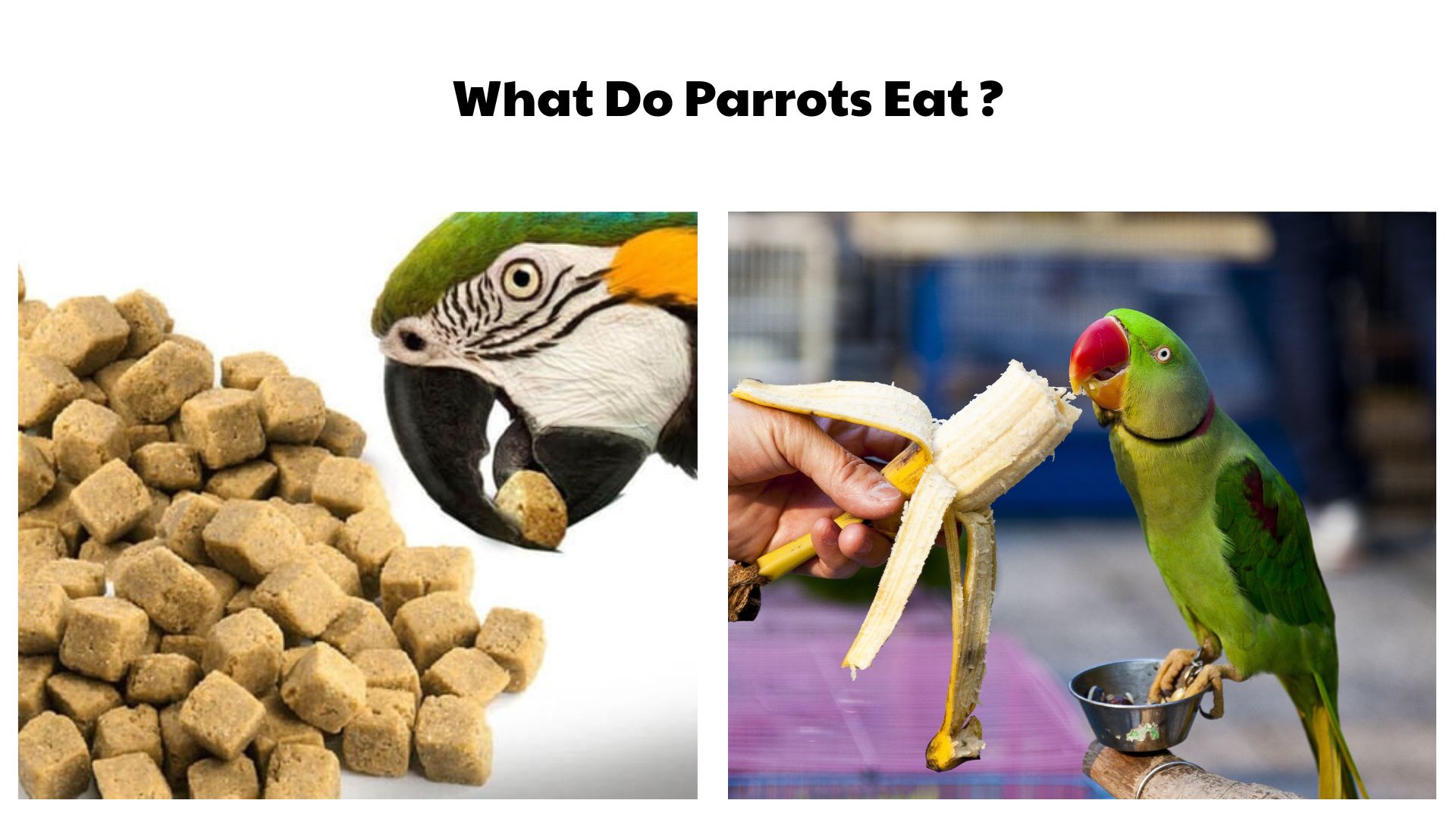
Captive parrots require a carefully structured diet that reflects this natural diversity. While commercial pellets often serve as a nutritional base, they should always be supported with fresh vegetables, fruits, grains, and healthy seeds. Variety is key, as parrots can become bored with repetitive meals, which may lead to selective eating or nutritional imbalance.
Another important factor in parrot nutrition is the balance between energy-rich foods and nutrient-dense foods. Seeds and nuts provide fats and calories, while vegetables and leafy greens supply essential vitamins and minerals. Fruits offer hydration and natural sugars, but should be given in moderation. This balance mirrors what parrots naturally consume in the wild, where food availability changes throughout the year.
Because parrots are highly intelligent and emotionally sensitive birds, feeding time also plays a role in enrichment. Many parrots enjoy foraging-style feeding, where food is hidden or scattered to encourage natural searching behavior. This not only improves mental stimulation but also reduces stress and boredom.
In this comprehensive guide, we will explore 50 of the most commonly enjoyed foods in a parrot’s diet. Each food plays a unique role in supporting health, energy, and natural instincts. From leafy greens and crunchy vegetables to sweet fruits and nutrient-rich seeds, this list will help you understand exactly what parrots love to eat and why.
Whether you are a bird owner or simply curious about avian nutrition, this guide will give you a clear, practical understanding of how to feed parrots in a way that supports their long-term health and natural behavior.
What Do Parrots Eat ?
In the wild, parrots are highly adaptable foragers. Their diet changes depending on season, habitat, and food availability. Unlike many animals that rely on a narrow food range, parrots consume a wide mix of plant-based foods including vegetables, seeds, fruits, and leafy vegetation. Below are the first 10 foods from the list and how they support a parrot’s natural diet.
1. Carrots
Carrots are a nutrient-rich root vegetable that provide parrots with beta-carotene, fiber, and natural crunch. In natural environments, parrots often consume fibrous roots and underground plant parts when available, making carrots a suitable dietary match.
Beta-carotene is converted into vitamin A, which is essential for eye health, immune support, and skin maintenance. The crunchy texture also helps parrots naturally wear down their beaks, which continuously grow throughout their lives.
Parrots enjoy peeling, shredding, and holding carrot pieces with their feet, which also provides mental stimulation. In captivity, carrots are often served raw for maximum enrichment value and nutrient retention.
2. Broccoli
Broccoli is a cruciferous vegetable that provides parrots with fiber, vitamin C, and antioxidants. Wild parrots frequently consume leafy greens and plant shoots, making broccoli a good substitute in captive diets.
The florets and stems offer different textures, encouraging natural foraging behavior. Fiber supports digestion, while antioxidants help reduce cellular stress and support immune health.
Lightly steamed or raw broccoli can be offered, but raw versions are often preferred for chewing activity and enrichment.
3. Spinach
Spinach is a leafy green packed with iron, calcium, and vitamin K. In the wild, parrots regularly consume leafy vegetation as part of their seasonal diet, especially during wet periods when fresh growth is abundant.
Spinach supports blood health and bone maintenance, but it should be fed in moderation due to naturally occurring oxalates, which may interfere with calcium absorption if overfed.
Fresh spinach leaves are often shredded and carried by parrots, mimicking natural foraging behavior in tree canopies.
4. Kale
Kale is one of the most nutrient-dense leafy greens available to parrots. It contains high levels of vitamins A, C, and K along with calcium and antioxidants.
In the wild, parrots consume a wide variety of leafy plants, and kale closely replicates these nutritional profiles. Its tough texture also promotes beak activity and chewing behavior.
It should be introduced gradually, as some parrots may need time to adjust to its stronger taste compared to other greens.
5. Sweet Potato
Sweet potato is a starchy root vegetable that provides parrots with energy, fiber, and beta-carotene. In natural habitats, parrots often dig or forage for roots and tubers, making this food highly relevant to their instinctive diet.
It supports digestive health and provides slow-release energy, which is important for active flying birds. Sweet potato can be served cooked and plain, or sometimes raw in thin slices for chewing enrichment.
6. Pumpkin
Pumpkin offers fiber, hydration, and antioxidants. Parrots in the wild consume seasonal fruits and soft plant materials, and pumpkin provides a similar nutritional profile.
The flesh is soft and easy to digest, while the seeds offer healthy fats and additional protein. Both parts can be included in a balanced diet.
It is especially useful for digestive support and hydration during warmer seasons.
7. Zucchini
Zucchini is a mild, water-rich vegetable that supports hydration and digestion. Wild parrots often consume moisture-rich plant material, especially in tropical environments.
Its soft texture makes it easy to eat, while its low-calorie nature makes it suitable for regular feeding. It also provides vitamin C and potassium in small amounts.
8. Bell Peppers
Bell peppers are colorful vegetables rich in vitamin C and antioxidants. In the wild, parrots are attracted to brightly colored fruits and vegetables, which often indicate ripeness and nutritional value.
They provide crunch and hydration, and their natural sweetness makes them highly palatable. Red, yellow, and green varieties are all commonly enjoyed by parrots.
9. Cauliflower
Cauliflower provides fiber, vitamin C, and plant-based nutrients that support overall health. Parrots naturally consume fibrous plant structures, and cauliflower mimics this texture.
Both florets and stems can be offered, encouraging chewing behavior and beak exercise. It is best served raw or lightly prepared without seasoning.
10. Green Beans
Green beans are a fiber-rich vegetable that supports digestion and provides plant-based nutrients. In the wild, parrots consume pods, seeds, and tender plant parts, making green beans a natural dietary match.
They are often enjoyed whole, encouraging parrots to grip and manipulate food items. This helps stimulate natural foraging instincts and improves mental engagement.
Green beans are also low in fat and calories, making them a safe and regular part of a balanced parrot diet when rotated with other vegetables.
11. Cucumber
Cucumber is a water-rich vegetable that plays an important role in hydration for parrots, especially in warm climates where wild species often experience fluctuating water availability. In natural habitats, parrots regularly consume juicy fruits, tender shoots, and moisture-filled plant matter to maintain hydration, and cucumber closely mimics this function in a captive diet.
Nutritionally, cucumber is low in calories but provides small amounts of vitamin K, potassium, and antioxidants. While it is not a nutrient-dense food, its real value lies in hydration and enrichment. Parrots enjoy the crisp texture and refreshing taste, particularly when served chilled or freshly sliced.
Behaviorally, cucumber encourages natural foraging actions. Parrots may bite, peel, or tear the flesh, mimicking the way they would strip bark or extract moisture from plants in the wild. This type of food interaction is essential for mental stimulation, especially in captive environments where natural foraging opportunities are limited.
Because cucumber contains high water content, it should be offered in moderation to avoid overly watery droppings in sensitive birds. It is best used as part of a varied vegetable rotation rather than a daily staple. When properly balanced, cucumber contributes to hydration, enrichment, and dietary diversity.
12. Corn
Corn is a starchy grain that provides parrots with carbohydrates, energy, and fiber. In the wild, parrots frequently consume grains and seeds from grasses and cultivated crops, making corn a familiar and highly appealing food source.
Fresh corn kernels contain natural sugars, B vitamins, and small amounts of protein. These nutrients support energy metabolism and overall vitality, especially for active birds that spend much of their day flying, climbing, and foraging. Corn is often eaten both raw and dried depending on availability in the environment.
Parrots are particularly attracted to corn because of its texture and sweetness. They enjoy stripping kernels from the cob, which closely resembles natural foraging behavior where they dismantle seed heads or fruit clusters. This activity provides strong mental stimulation and helps prevent boredom.
However, corn is relatively high in carbohydrates, so portion control is important in captivity. Too much corn can contribute to weight gain if not balanced with vegetables and leafy greens. When used correctly, it becomes a valuable enrichment food that supports both energy needs and natural feeding instincts.
13. Peas
Peas are small but nutritionally powerful legumes that provide parrots with protein, fiber, and essential micronutrients. In the wild, parrots often consume seeds and young plant pods, making peas a natural and suitable addition to their diet.
Peas contain vitamin A, vitamin C, vitamin K, and plant-based protein. These nutrients support immune health, feather quality, and muscle maintenance. The fiber content also supports healthy digestion and gut function, which is critical for overall avian health.
Parrots enjoy the interactive nature of eating peas. Whether fresh, frozen (thawed), or lightly steamed, peas are often picked up one by one, encouraging fine motor skills and extended feeding time. This slows down eating behavior, which is beneficial for digestion and mental engagement.
Because peas are mild in flavor, they are often used to introduce picky parrots to vegetable-based diets. Their soft texture and small size make them easy to consume, even for younger or smaller birds. When rotated with other vegetables, peas contribute significantly to dietary balance and enrichment.
14. Beetroot
Beetroot is a deeply colored root vegetable that offers parrots antioxidants, fiber, folate, and natural plant pigments known as betalains. In the wild, parrots often forage for roots, tubers, and underground plant parts, making beetroot a relevant dietary component.
The antioxidants in beetroot help protect cells from oxidative stress, while folate supports healthy cell development and metabolism. Its natural sugars provide a small energy boost, making it especially appealing to active parrots.
Parrots are often attracted to beetroot not only for its taste but also for its vibrant color, which signals nutrient richness in natural environments. They may chew, tear, or shred beetroot pieces, engaging in natural foraging behavior that supports beak conditioning and mental stimulation.
Because beetroot can be messy due to its strong pigment, it is often offered in controlled portions. Despite this, it remains a valuable dietary item that supports variety, enrichment, and nutritional diversity in a parrot’s feeding routine.
15. Squash
Squash is a versatile vegetable that provides parrots with fiber, vitamins A and C, and hydration. In natural ecosystems, parrots consume a wide range of seasonal fruits and soft plant materials, and squash closely resembles these foods in both texture and nutritional profile.
It can be served in both raw and cooked forms, though raw squash offers more chewing stimulation. The soft flesh and seeds are often eagerly consumed, providing healthy fats and plant-based nutrients. Squash seeds in particular are highly valued for their nutritional density.
Behaviorally, squash encourages shredding and manipulation, which are key natural behaviors for parrots. In the wild, parrots frequently break into tough plant structures to access seeds and pulp, and squash provides a safe way to replicate this activity in captivity.
When included regularly in a balanced diet, squash contributes to digestive health, hydration, and enrichment. It is especially beneficial when rotated with other vegetables to maintain dietary variety.
16. Cabbage
Cabbage is a leafy vegetable that provides parrots with fiber, vitamin C, and antioxidants. In the wild, parrots consume a wide variety of leafy greens and plant matter depending on seasonal availability, making cabbage a useful dietary substitute.
Its layered structure allows parrots to tear, peel, and shred leaves, which closely mirrors natural foraging behavior. This type of activity is important for both mental stimulation and beak exercise.
Nutritionally, cabbage supports digestion and immune health, though it should be fed in moderation due to potential gas formation in sensitive birds. Rotating cabbage with other leafy greens ensures balanced nutrient intake and prevents dietary monotony.
When properly prepared, cabbage becomes a valuable part of a diverse parrot diet that supports both physical health and behavioral enrichment.
17. Bok Choy
Bok choy is a leafy green vegetable that is highly beneficial for parrots due to its calcium, vitamin A, and vitamin C content. In natural habitats, parrots regularly consume tender greens and shoots, especially during periods of rapid plant growth.
Its mild flavor makes it widely accepted by parrots, even those that are picky eaters. The combination of crunchy stems and soft leaves provides a dual-texture feeding experience that encourages natural manipulation and chewing behavior.
Calcium in bok choy supports bone strength and feather development, while vitamins A and C contribute to immune health and tissue repair. Because it is low in oxalates compared to some leafy greens, it is considered a safer regular option when fed appropriately.
When included in rotation with other greens, bok choy helps maintain dietary balance and supports long-term health in parrots.
18. Arugula
Arugula is a peppery leafy green that provides parrots with calcium, vitamin K, and antioxidants. In the wild, parrots often consume a wide variety of bitter and aromatic plants, which helps them access a broader range of nutrients.
Its slightly spicy flavor may not appeal to all parrots immediately, but many birds develop a preference for it over time. The leaves are tender and easy to shred, making them ideal for foraging-style feeding.
Arugula supports bone health and blood clotting due to its vitamin K content, while antioxidants help reduce cellular stress. It is best offered in small amounts mixed with other greens to create variety and encourage acceptance.
19. Celery
Celery is a crunchy, water-rich vegetable that provides parrots with hydration, fiber, and trace minerals. In natural environments, parrots often consume fibrous plant stems and shoots, making celery a suitable dietary addition.
The stringy texture encourages chewing and shredding behavior, which supports beak health and mental stimulation. While not highly calorie-dense, celery plays an important role in hydration and dietary enrichment.
Parrots typically enjoy holding and tearing celery stalks, which mimics natural foraging actions. It should be served fresh and unseasoned, with leaves also offered when available.
20. Dandelion Greens
Dandelion greens are one of the most natural and nutritionally rich leafy foods for parrots. In the wild, many parrot species consume wild plants, weeds, and flowering greens, making dandelion an excellent match for their evolutionary diet.
These greens are rich in calcium, iron, vitamin A, and antioxidants. They support digestion, liver health, and immune function. Because they are naturally bitter, they also help broaden a parrot’s palate and encourage dietary diversity.
Parrots often enjoy both the leaves and flowers, engaging in natural plucking and shredding behavior. Dandelion greens are especially valuable because they closely resemble wild foraging conditions, making them one of the most enrichment-rich foods in a captive diet.
21. Apple
Apples are one of the most widely available fruits for parrots and are also commonly consumed by many wild bird species when seasonal fruiting occurs. In natural environments, parrots often seek out ripe fruits as a source of quick energy, hydration, and essential micronutrients. Apples fit well into this pattern due to their natural sweetness and high water content.
Nutritionally, apples provide vitamin C, fiber, potassium, and a range of antioxidants. The fiber, particularly pectin, supports digestive health by promoting beneficial gut activity. The water content also helps with hydration, especially in warm climates where parrots naturally live.
Parrots enjoy the crunch of fresh apple slices, and this texture encourages natural behaviors such as biting, tearing, and holding food with their feet. These actions are not just feeding behaviors but also important enrichment activities that stimulate their intelligence and prevent boredom.
However, apples must always be served without seeds, as the seeds contain compounds that are unsafe in large quantities. In moderation, apples are a safe and enjoyable fruit that supports both nutrition and enrichment in a balanced parrot diet.
22. Banana
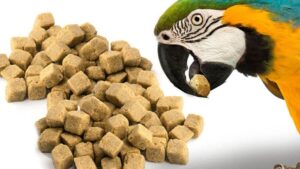
Bananas are soft, energy-rich fruits that parrots often enjoy due to their natural sweetness and creamy texture. In the wild, parrots consume a variety of ripe fruits when available, especially those that provide quick energy during periods of high activity such as flying and foraging.
Bananas contain potassium, vitamin B6, vitamin C, and carbohydrates. Potassium supports muscle function and nerve signaling, which is essential for flight coordination and physical activity. The carbohydrates provide fast energy, making bananas a useful occasional food source.
Parrots typically eat bananas by peeling or breaking off small pieces, mimicking their natural manipulation of food items. However, because bananas are soft, they offer less chewing resistance, so they should always be balanced with harder foods that support beak health.
Due to their sugar content, bananas should be offered in moderation. Too much can contribute to weight gain or nutritional imbalance. When used correctly, bananas serve as a valuable treat and enrichment food that enhances dietary variety.
23. Blueberries
Blueberries are nutrient-dense berries that provide parrots with antioxidants, vitamins, and natural sugars. In the wild, parrots often consume seasonal berries when they are available, particularly in forested or tropical environments where fruiting plants are common.
These small fruits are especially rich in anthocyanins, powerful antioxidants that support cellular health and reduce oxidative stress. They also contain vitamin C, vitamin K, and fiber, all of which contribute to overall wellness.
Parrots enjoy blueberries because they are easy to handle and can be eaten whole. This encourages natural foraging behavior, as birds often pick and inspect small food items before consuming them. Some parrots may even roll or drop berries as part of exploratory play, which is a normal cognitive behavior.
Although highly nutritious, blueberries should still be fed in moderation due to their natural sugar content. When included as part of a varied diet, they contribute significantly to enrichment and antioxidant intake.
24. Strawberries
Strawberries are bright, aromatic fruits that parrots often find highly attractive. In natural ecosystems, parrots are drawn to colorful fruits, which often signal ripeness and nutrient availability. Strawberries fit this pattern perfectly with their vivid red color and sweet aroma.
Nutritionally, strawberries provide vitamin C, manganese, fiber, and antioxidants. Vitamin C supports immune health, while manganese plays a role in metabolism and bone development. The fiber content supports healthy digestion.
Parrots typically enjoy pecking at strawberry pieces, sometimes holding them with their feet while feeding. This behavior closely resembles wild feeding patterns where they manipulate fruit or seed clusters.
Because strawberries are juicy and perishable, they should be served fresh and in controlled portions. They are best used as occasional treats that provide enrichment, hydration, and dietary variety.
25. Grapes
Grapes are soft, sweet fruits that provide parrots with quick energy and hydration. In the wild, parrots often consume seasonal fruits that offer high sugar content, especially during periods of intense activity or breeding.
Grapes contain vitamin K, vitamin C, antioxidants, and natural sugars. These nutrients support energy metabolism and immune function. However, their sugar content means they should be fed sparingly in captivity.
Parrots enjoy grapes because they are easy to bite into and release juice quickly, which enhances sensory stimulation. This also encourages natural food handling behaviors such as squeezing, tearing, and dropping.
As with all fruits, grapes should be washed thoroughly and served in moderation. They are best used as occasional enrichment foods rather than daily dietary staples.
26. Orange
Oranges are citrus fruits that provide parrots with vitamin C, hydration, and antioxidants. In natural environments, parrots may occasionally encounter citrus or similar acidic fruits depending on habitat distribution.
Vitamin C plays a role in immune system support and tissue repair, while the fruit’s water content helps with hydration. However, due to their acidity, oranges should be fed carefully and in small amounts.
Parrots may enjoy the juicy pulp of oranges, though not all individuals tolerate citrus equally. Some birds may prefer milder fruits, so gradual introduction is recommended.
When offered properly, oranges add variety and nutritional diversity to a parrot’s diet.
27. Mango
Mango is a tropical fruit that closely resembles the natural diet of many parrot species living in rainforest regions. Wild parrots frequently consume ripe tropical fruits that are rich in sugars, vitamins, and moisture.
Mango provides vitamin A, vitamin C, fiber, and antioxidants. Vitamin A is especially important for vision, immune health, and feather condition. The fruit’s natural sugars provide energy, making it a favored food in both wild and captive settings.
Parrots often enjoy peeling or biting into mango flesh, which mimics natural fruit-processing behaviors. The soft texture makes it easy to consume, while the strong aroma attracts many birds.
Despite its benefits, mango should be fed in moderation due to sugar content. It is best used as a treat or enrichment food rather than a daily staple.
28. Papaya
Papaya is another tropical fruit commonly consumed by parrots in rainforest environments. It is rich in enzymes, vitamins, and hydration, making it a highly beneficial but occasional food.
Papaya contains vitamin C, vitamin A, folate, and papain, an enzyme that supports digestion. These nutrients help maintain immune function and digestive balance.
Parrots enjoy the soft texture and sweet flavor of papaya, often eating both the flesh and seeds. The seeds are sometimes used in moderation as they contain beneficial compounds, though they should not be overfed.
Papaya is best served fresh and in small portions due to its softness and sugar content. It adds valuable variety to a parrot’s fruit rotation.
29. Pineapple
Pineapple is a tropical fruit that provides parrots with vitamin C, manganese, and digestive enzymes. In the wild, parrots often consume a wide range of tropical fruits that vary in sweetness and acidity.
Pineapple contains bromelain, an enzyme that supports digestion. However, its acidity means it should be offered in moderation to avoid irritation in sensitive birds.
Parrots enjoy pineapple for its juicy texture and strong flavor. It encourages sensory exploration and natural feeding behavior. When served appropriately, it contributes to dietary diversity and enrichment.
30. Watermelon
Watermelon is a highly hydrating fruit that provides parrots with water, antioxidants, and small amounts of vitamins A and C. In hot climates, wild parrots often rely on juicy fruits to maintain hydration levels.
Because watermelon is mostly water, it is best used as a hydration treat rather than a nutrient-dense food. It is especially useful during warm weather when birds naturally seek moisture-rich foods.
Parrots enjoy pecking at watermelon flesh and extracting juice, which mimics natural foraging behavior. However, seeds should be removed or controlled to prevent overconsumption.
Watermelon should always be fed in moderation due to its high water and sugar content. When used properly, it provides hydration, enrichment, and variety in a balanced diet.
31. Pear
Pears are soft, juicy fruits that parrots may consume when available in their natural environment. In the wild, parrots opportunistically feed on seasonal fruits, especially those that provide quick energy and hydration during periods of high activity. Pears fit this pattern well due to their natural sweetness and high water content.
Nutritionally, pears provide dietary fiber, vitamin C, potassium, and antioxidants. The fiber content, particularly pectin, supports healthy digestion by promoting smooth intestinal function. This is especially important for parrots, whose digestive systems are highly efficient and depend on consistent fiber intake from natural plant sources.
Parrots enjoy the soft, juicy texture of pears, often pecking and tearing small pieces while holding them with their feet. This behavior closely mirrors wild foraging, where parrots manipulate fruits, seeds, and plant materials as part of feeding and exploration.
Because pears are high in water and natural sugars, they should be served in moderation. Overfeeding can lead to digestive imbalance or excessive calorie intake. When offered correctly, pears provide hydration, enrichment, and nutritional diversity within a balanced parrot diet.
32. Kiwi
Kiwi is a nutrient-rich fruit that provides parrots with vitamin C, vitamin K, fiber, and antioxidants. Although parrots may not naturally encounter kiwi in the wild, its nutritional profile closely resembles many tropical fruits they would consume in rainforest habitats.
The high vitamin C content supports immune health and tissue repair, while fiber aids digestion. Antioxidants help reduce oxidative stress, contributing to long-term cellular health and feather quality.
Parrots may enjoy the soft, juicy flesh of kiwi, though its slightly tangy flavor may not appeal to all individuals. Feeding preferences vary widely among parrots, reflecting their natural curiosity and selective foraging behavior.
Kiwi should always be offered in small portions due to its acidity and sugar content. When included as part of a varied fruit rotation, it adds valuable diversity and enrichment to the diet.
33. Pomegranate
Pomegranate is a highly nutritious fruit that provides parrots with antioxidants, fiber, vitamin C, and natural sugars. In the wild, parrots often consume fruits with seeds, making pomegranate a particularly natural match due to its edible arils.
The antioxidants in pomegranate, especially polyphenols, help support cellular health and reduce inflammation. The seeds inside the fruit also provide fiber and enrichment through texture variation.
Parrots enjoy pecking at individual arils, which encourages slow, deliberate feeding behavior. This closely reflects natural foraging patterns where birds spend time extracting small food items from complex plant structures.
Because pomegranate can be messy and slightly acidic, it should be fed in moderation. However, it is an excellent enrichment food that promotes mental stimulation and natural feeding behavior.
34. Peach
Peaches are soft stone fruits that provide parrots with vitamins A and C, fiber, potassium, and antioxidants. In natural environments, parrots frequently consume ripe fruits that offer hydration and energy, making peaches a suitable dietary match.
Vitamin A supports vision and immune function, while vitamin C contributes to tissue repair and overall health. The fiber in peaches helps maintain digestive balance.
Parrots enjoy the soft, juicy texture of peaches, often biting into the flesh and peeling pieces away. This mimics natural fruit-processing behavior seen in wild feeding environments.
Peaches should always be served without the pit, as the seed inside is not safe for consumption. When properly prepared, peaches serve as a nutritious and enriching occasional fruit.
35. Plum
Plums are nutrient-rich fruits that offer parrots vitamin C, fiber, antioxidants, and natural sugars. In the wild, parrots often feed on seasonal fruits that provide energy and hydration, especially during breeding or migration periods.
The antioxidants in plums help protect cells from oxidative stress, while fiber supports healthy digestion. Their sweet-tart flavor appeals to many parrots, though individual preferences may vary.
Parrots typically peck at plum flesh and may carry pieces away for further consumption, reflecting natural food-handling behavior. The fruit should always be served in moderation due to its sugar content.
36. Cherry
Cherries are small stone fruits that provide parrots with antioxidants, vitamin C, and fiber. In natural habitats, parrots often consume berries and small fruits when available, making cherries a suitable occasional food.
Cherries are particularly rich in anthocyanins, powerful antioxidants that support cellular health and reduce oxidative stress. These compounds also contribute to feather condition and overall vitality.
Parrots enjoy cherries for their sweetness and small size, which makes them easy to handle and consume. However, pits must always be removed, as they are not safe for ingestion.
Because cherries are high in sugar, they should be fed sparingly as part of a varied diet that emphasizes vegetables and grains.
37. Apricot
Apricots are soft fruits that provide parrots with vitamin A, vitamin C, fiber, and antioxidants. In the wild, parrots often consume a wide variety of ripe fruits that offer both hydration and nutrition.
Vitamin A in apricots supports vision, immune function, and skin health. The fiber content promotes healthy digestion, while natural sugars provide quick energy.
Parrots may enjoy the soft flesh of apricots, often tearing small pieces while holding them with their feet. This behavior reflects natural foraging instincts and promotes mental stimulation.
Apricots should be served without pits and in moderation due to sugar content. They are best used as occasional enrichment treats rather than dietary staples.
38. Raspberry
Raspberries are delicate berries that provide parrots with vitamin C, fiber, antioxidants, and manganese. In the wild, parrots often consume berries and seasonal fruits when available, particularly in forested environments.
The high fiber content in raspberries supports digestive health, while antioxidants help reduce cellular stress. Their small size makes them easy for parrots to pick up and eat.
Parrots enjoy raspberries because they can be consumed in a single bite or gently pecked apart. This encourages natural foraging and exploration behavior.
Due to their fragility, raspberries should be served fresh and in small quantities. They are best used as occasional treats that add variety and enrichment to the diet.
39. Blackberry
Blackberries are nutrient-dense berries that provide parrots with fiber, vitamin C, vitamin K, and antioxidants. In natural environments, parrots frequently feed on wild berries, especially during seasonal abundance.
The antioxidants in blackberries support cellular health, while fiber promotes digestion. Their slightly tart flavor makes them appealing to many parrots, although preferences may vary.
Parrots typically peck at blackberries and manipulate them with their feet, reflecting natural feeding behaviors. This type of interaction provides both physical and mental stimulation.
Blackberries should be fed in moderation due to their sugar content and perishability. When included in a varied diet, they contribute significantly to enrichment and nutritional diversity.
40. Melon
Melon is a hydrating fruit that provides parrots with water, vitamin A, vitamin C, and antioxidants. In hot climates, wild parrots often rely on water-rich fruits to maintain hydration levels during periods of high activity.
Because melon is composed mostly of water, it is best viewed as a hydration supplement rather than a nutrient-dense food. It helps support fluid balance but should not replace more nutrient-rich foods.
Parrots enjoy pecking into melon flesh and extracting juice, which mimics natural feeding behavior. However, overfeeding can lead to overly watery droppings, so portion control is important.
When offered correctly, melon provides hydration, enrichment, and variety in a balanced parrot diet.
41. Oats
Oats are a highly versatile grain that provide parrots with carbohydrates, fiber, and small amounts of protein. In the wild, parrots often consume a wide range of seeds and grains from grasses and plants, making oats a familiar and suitable energy source in captivity.
Oats are particularly valued for their slow-release energy. Unlike sugary fruits that provide quick bursts of fuel, oats help maintain steady energy levels throughout the day. This is important for parrots, which are highly active birds that spend much of their time flying, climbing, and foraging.
From a behavioral standpoint, oats encourage natural feeding actions such as picking, grinding, and shelling (when offered in certain forms). These behaviors are essential for mental stimulation and help prevent boredom in captive parrots.
Oats should be served plain and unprocessed, without added sugar or flavoring. They can be offered dry or lightly soaked depending on the bird’s preference. When included in moderation, oats contribute to a balanced diet that supports both energy needs and digestive health.
42. Brown Rice
Brown rice is a whole grain that provides parrots with carbohydrates, fiber, B vitamins, and minerals such as magnesium and selenium. In natural environments, parrots often consume grains and seeds from grasses, which makes brown rice a nutritionally appropriate substitute in captivity.
Unlike refined grains, brown rice retains its bran layer, which contains most of its nutrients and fiber. This fiber supports healthy digestion and helps regulate nutrient absorption. The complex carbohydrates provide long-lasting energy, especially important for active birds.
Parrots can eat brown rice cooked or soaked, but it should always be plain and free from salt, oil, or seasoning. When served correctly, it is easy to digest and often well accepted even by picky eaters.
Brown rice also adds dietary variety and can be mixed with vegetables or legumes to create a more enriching feeding experience. This combination mimics the diversity of foods parrots would naturally encounter in the wild.
43. Quinoa
Quinoa is a highly nutritious seed often classified as a pseudo-grain. It provides parrots with complete plant-based protein, fiber, iron, magnesium, and essential amino acids. In the wild, parrots consume a wide range of seeds, and quinoa closely matches this natural nutritional profile.
One of quinoa’s key advantages is its protein quality. Unlike many grains, it contains all essential amino acids, making it a valuable addition to a balanced parrot diet. This supports muscle maintenance, feather growth, and overall health.
Parrots can eat quinoa cooked or sprouted, with sprouted quinoa often providing enhanced nutritional value and easier digestion. Its small size makes it ideal for foraging-style feeding, where parrots pick up individual grains.
When introduced properly, quinoa adds variety and nutritional depth to a parrot’s diet. It is especially useful for supporting active or breeding birds due to its protein content.
44. Millet
Millet is one of the most important staple seeds in a parrot’s natural diet. In the wild, parrots frequently feed on grass seeds, and millet closely resembles these natural food sources in both structure and nutrition.
Millet provides carbohydrates, fiber, and small amounts of protein and fat. It is highly digestible and serves as a quick energy source for active birds. Different types of millet, including spray millet, are widely used in both wild feeding observations and captive diets.
Parrots enjoy millet because it naturally encourages foraging behavior. Birds often spend time picking individual seeds from the stalk, which provides mental stimulation and physical engagement.
Due to its palatability, millet should be offered in moderation, especially in pet parrots, to prevent overconsumption. When balanced properly, it is an excellent enrichment food and a valuable part of a diverse seed-based diet.
45. Sunflower Seeds
Sunflower seeds are one of the most energy-dense foods consumed by parrots. In the wild, parrots frequently feed on oil-rich seeds that provide essential fats for energy storage, migration, and daily activity.
Sunflower seeds contain healthy fats, protein, vitamin E, and magnesium. These nutrients support feather health, skin condition, and overall vitality. Vitamin E, in particular, plays a key role in immune function and antioxidant protection.
Parrots are strongly attracted to sunflower seeds due to their rich flavor and high energy content. However, in captivity, they should be fed carefully because excessive intake can lead to obesity or selective eating behavior.
When used correctly, sunflower seeds serve as an important enrichment tool and training reward rather than a dietary staple. Their strong appeal makes them useful for positive reinforcement and behavioral interaction.
46. Pumpkin Seeds
Pumpkin seeds are highly nutritious and provide parrots with protein, healthy fats, zinc, magnesium, and iron. In natural environments, parrots often consume a wide variety of seeds, including those from fruits and gourds, making pumpkin seeds a natural dietary match.
These seeds support immune health, feather development, and energy production. Zinc and magnesium are particularly important for metabolic function and overall vitality.
Parrots enjoy cracking pumpkin seeds, which encourages natural beak activity and foraging behavior. This helps maintain beak strength and provides mental stimulation through problem-solving and manipulation.
Although nutritious, pumpkin seeds should still be fed in moderation due to their fat content. When included as part of a varied seed rotation, they contribute significantly to dietary balance.
47. Sesame Seeds
Sesame seeds are small but nutrient-rich seeds that provide parrots with calcium, healthy fats, protein, and antioxidants. In the wild, parrots consume a wide range of small seeds from grasses and plants, making sesame seeds a natural dietary component.
Calcium in sesame seeds supports bone health and muscle function, while healthy fats provide energy. Their small size makes them ideal for foraging-style feeding and slow consumption.
Parrots typically pick up sesame seeds individually, which encourages natural feeding behaviors and enhances mental stimulation. Despite their size, they are nutrient-dense and should be included in moderation as part of a balanced seed mix.
48. Chia Seeds
Chia seeds are tiny but powerful seeds that provide parrots with omega-3 fatty acids, fiber, protein, and antioxidants. In natural diets, parrots consume a variety of small seeds rich in fats and nutrients, and chia seeds closely resemble this food category.
Omega-3 fatty acids are especially important for brain function, feather quality, and anti-inflammatory support. Fiber helps regulate digestion and supports gut health.
Chia seeds can absorb water and form a gel-like texture, which some parrots may enjoy. This also adds hydration benefits when prepared properly.
Due to their richness, chia seeds should be fed in small amounts. When included in a varied diet, they provide valuable nutritional enhancement and diversity.
49. Flax Seeds
Flax seeds are another nutrient-dense seed that provides parrots with omega-3 fatty acids, fiber, and plant-based protein. In the wild, parrots consume a variety of oil-rich seeds that support energy needs and feather maintenance.
Omega-3 fatty acids in flax seeds help support cardiovascular health, feather condition, and cognitive function. The fiber content aids digestion and promotes gut balance.
Parrots typically consume flax seeds in small quantities due to their size and richness. They are often included in seed mixes or sprinkled over fresh foods to enhance nutritional value.
When used correctly, flax seeds contribute to overall health and dietary balance, especially in combination with other seed types.
50. Buckwheat
Buckwheat is a highly nutritious pseudo-grain that provides parrots with protein, fiber, magnesium, and antioxidants. In natural environments, parrots consume a variety of seeds and grains, and buckwheat fits well within this dietary pattern.
It is particularly valued for its digestibility and nutrient density. Buckwheat supports energy production, muscle function, and overall metabolic health.
Parrots can eat buckwheat raw, soaked, or sprouted, with sprouted forms offering enhanced nutritional availability. Its small size and texture make it ideal for foraging and slow feeding.
When included in a balanced diet, buckwheat adds variety, nutrition, and enrichment value, supporting both physical health and natural feeding behaviors.
Conclusion
Parrots are highly intelligent, emotionally sensitive, and naturally diverse eaters. Their diet in the wild is not built around a single food source, but rather a constantly changing mix of fruits, seeds, grains, nuts, flowers, leafy greens, and seasonal vegetation. This variety is what allows them to thrive across forests, savannas, and tropical regions around the world.
Understanding what parrots eat is essential for replicating their natural feeding patterns in captivity. A healthy parrot diet is not just about nutrition—it is also about behavior, stimulation, and emotional balance. Birds that are fed a varied diet tend to be more active, curious, and mentally engaged.
The best approach is balance. Seeds and nuts provide energy and fats, vegetables supply essential vitamins and fiber, fruits offer hydration and natural sugars, and grains support steady energy levels. When combined properly, these foods mirror the natural dietary rhythm of wild parrots.
Equally important is how parrots eat. In the wild, they spend hours foraging, climbing, and manipulating food with their beaks and feet. Recreating this experience in captivity through fresh foods, foraging toys, and varied textures helps prevent boredom and supports long-term well-being.
A well-fed parrot is not only physically healthier but also more behaviorally stable. Proper nutrition supports feather quality, immune strength, energy levels, and even social behavior. By offering a wide range of safe, natural foods, owners can closely align captive care with wild dietary instincts.
Ultimately, a parrot’s diet is a reflection of its environment. The closer we can bring that natural variety into captivity, the healthier and more vibrant these remarkable birds will be.
50+ Frequently Asked Questions About What Parrots Eat
1. What is the best overall diet for parrots?
The best diet for parrots is a balanced combination of high-quality pellets, fresh vegetables, fruits, grains, and a controlled amount of seeds and nuts. Pellets should form the base because they provide complete nutrition in every bite. Fresh foods add variety, hydration, and enrichment, while seeds and nuts should be treated as energy-rich supplements rather than staples.
2. Can parrots survive on seeds alone?
No, parrots cannot live healthily on seeds alone. While seeds are part of their natural diet, a seed-only diet is too high in fat and too low in essential vitamins and minerals. Over time, this can lead to obesity, liver disease, and nutritional deficiencies. A varied diet is essential for long-term health.
3. Do parrots need pellets?
Yes, pellets are highly recommended because they are formulated to provide balanced nutrition. Unlike seeds, pellets prevent selective eating and ensure parrots receive consistent vitamins, minerals, and protein in every meal.
4. How often should parrots eat fruits?
Fruits should be fed in moderation, usually a few times per week. While fruits provide vitamins and hydration, they also contain natural sugars that should not be overfed. Vegetables should make up a larger portion of fresh foods.
5. What vegetables are best for parrots?
Some of the best vegetables include carrots, broccoli, kale, bell peppers, spinach, zucchini, and green beans. These provide fiber, vitamins, and antioxidants that support overall health.
6. Can parrots eat raw vegetables?
Yes, most parrots prefer raw vegetables because they retain more nutrients and provide better texture for chewing and foraging. Cooking is optional but should always be plain without seasoning.
7. Are nuts safe for parrots?
Yes, nuts are safe in moderation. Almonds, walnuts, and cashews provide healthy fats and protein. However, they are calorie-dense and should not be overfed.
8. What foods are toxic to parrots?
Foods such as chocolate, avocado, caffeine, alcohol, onion, and garlic are toxic to parrots and should always be avoided. These can cause serious health issues or even be fatal.
9. Can parrots eat human food?
Some human foods like plain cooked rice, oats, and vegetables are safe, but processed foods, salty snacks, and sugary items should never be given to parrots.
10. Do parrots drink water if they eat fruits?
Yes, parrots still need fresh water daily even if they consume juicy fruits. Fruits help with hydration but do not replace drinking water.
11. Why is dietary variety important for parrots?
Dietary variety is essential for parrots because it closely mirrors what they experience in the wild. In natural habitats, parrots do not eat the same foods every day; instead, they adapt to seasonal availability of fruits, seeds, nuts, flowers, and leafy greens. This constant variation ensures they receive a wide range of nutrients that support immune health, feather quality, and energy levels.
When kept in captivity, parrots that eat a monotonous diet often develop nutritional deficiencies or behavioral problems such as feather plucking and boredom. Offering different textures, colors, and flavors keeps their minds engaged and encourages natural foraging behavior. A varied diet is not just about nutrition—it is also about mental stimulation and emotional well-being.
12. Can parrots eat cooked food?
Yes, parrots can eat certain cooked foods as long as they are prepared properly. Safe options include plain cooked rice, quinoa, oats, and steamed vegetables. Cooking can make some foods easier to digest, especially for younger or older birds.
However, all cooked food must be free from salt, oil, spices, or seasoning. Additives commonly used in human food can be harmful to parrots. While cooked foods are safe in moderation, raw foods are generally preferred because they retain more nutrients and better reflect a parrot’s natural diet.
13. How important are seeds in a parrot’s diet?
Seeds are an important energy source for parrots, especially in the wild where they naturally consume grass seeds and plant seeds. Seeds provide fats, protein, and carbohydrates that support energy needs and survival.
However, in captivity, seeds should not be the main diet because they are high in fat and low in essential vitamins. A seed-heavy diet can lead to obesity and liver disease. Instead, seeds should be used as part of a balanced diet or as treats and training rewards.
14. Can parrots eat fruit every day?
Parrots can eat fruit regularly, but not in large amounts every day. Fruits provide vitamins, antioxidants, and hydration, but they also contain natural sugars that must be controlled.
Most experts recommend offering fruit a few times per week while prioritizing vegetables as the main fresh food component. This balance helps prevent excessive sugar intake while still providing nutritional benefits and enrichment.
15. What is the healthiest fruit for parrots?
Some of the healthiest fruits for parrots include blueberries, papaya, apples (without seeds), mango, and pomegranate. These fruits are rich in antioxidants, vitamins, and fiber.
Blueberries and pomegranate are especially beneficial due to their high antioxidant content, which supports cellular health and immune function. The best fruit choice depends on variety rather than relying on a single option.
16. Are leafy greens necessary for parrots?
Yes, leafy greens are a crucial part of a healthy parrot diet. They provide calcium, iron, vitamins A, C, and K, and important antioxidants. Greens like kale, spinach, dandelion leaves, and bok choy closely resemble foods parrots naturally consume in the wild.
Leafy greens support bone strength, immune function, and digestion. They should be offered frequently, ideally several times per week or even daily in small portions.
17. Can parrots eat too much fruit?
Yes, excessive fruit intake can be harmful to parrots. While fruit is healthy in moderation, too much sugar can lead to obesity, behavioral imbalances, and digestive issues.
Parrots in captivity often prefer sweet foods, so owners must balance fruit intake with vegetables and pellets to maintain proper nutrition and avoid selective eating habits.
18. Do parrots need protein in their diet?
Yes, parrots require protein for muscle maintenance, feather growth, and overall health. In the wild, they obtain protein from seeds, nuts, legumes, and occasionally insects or larvae.
In captivity, protein sources include lentils, beans, quinoa, nuts, and small amounts of boiled egg (for some species). Protein should be provided in moderation as part of a balanced diet.
19. Can parrots eat grains?
Yes, parrots can safely eat grains such as oats, brown rice, quinoa, millet, and buckwheat. These foods provide carbohydrates, fiber, and essential nutrients that support energy and digestion.
Grains are especially useful in replicating natural foraging conditions because many wild parrots consume grass seeds and wild grains regularly.
20. Why do parrots love seeds so much?
Parrots love seeds because they are naturally energy-dense and flavorful. In the wild, seeds are a reliable food source that provides fats and calories needed for survival, especially during migration or breeding seasons.
Their strong preference for seeds is instinctive, but in captivity, this preference must be managed carefully to avoid overfeeding and nutritional imbalance.
21. Can parrots eat vegetables daily?
Yes, vegetables can and should be offered daily. They are one of the most important parts of a parrot’s diet, providing essential vitamins, minerals, and fiber without excessive sugar or fat.
Vegetables like carrots, broccoli, bell peppers, and leafy greens should form a major part of daily fresh food intake to maintain optimal health.
22. Are pellets better than seeds?
Yes, pellets are generally considered better than seeds as a dietary foundation because they provide balanced nutrition in every bite. Seeds can lead to selective eating, where parrots choose only high-fat items.
Pellets help prevent nutritional deficiencies and support long-term health when combined with fresh fruits and vegetables.
23. Can parrots eat raw grains?
Some grains like millet and oats can be eaten raw, while others are better soaked or lightly cooked. Raw grains are often closer to a parrot’s natural diet and provide enrichment through foraging behavior.
24. Do parrots need calcium?
Yes, calcium is essential for bone strength, egg production in females, and overall metabolic health. Leafy greens, seeds like sesame, and fortified pellets help provide calcium in a balanced diet.
25. Can parrots eat human snacks occasionally?
Most human snacks are not safe for parrots due to salt, sugar, and artificial additives. Even occasional consumption should be avoided to prevent long-term health risks.
26. Can parrots eat nuts every day?
Nuts can be part of a parrot’s diet, but they should not be fed every day in large quantities. Nuts such as almonds, walnuts, and cashews are extremely energy-dense and high in fat. In the wild, parrots do consume nuts, but they balance them with large amounts of fruits, seeds, and vegetation.
If fed daily without control, nuts can quickly lead to weight gain and fatty liver disease in captive parrots. A safer approach is to offer nuts a few times per week as treats, training rewards, or enrichment foods. This maintains their nutritional benefits while preventing overconsumption.
27. Are avocado seeds or flesh safe for parrots?
No, avocado is toxic to parrots and should always be avoided. Both the flesh and the pit contain persin, a compound that can cause serious health problems in birds. Even small amounts can be dangerous depending on the species and sensitivity.
Because parrots are naturally curious eaters, it is important to ensure avocado is never accidentally offered or accessible. Safe fruit alternatives include apple (seedless), mango, and papaya.
28. Can parrots eat chocolate or sweets?
No, chocolate and sweets are unsafe for parrots. Chocolate contains theobromine and caffeine, both of which are toxic to birds. Sweets and candies also contain high levels of sugar and artificial additives that can disrupt digestion and metabolism.
Feeding sugary human foods can lead to obesity, behavioral issues, and long-term health damage. Parrots should always be given natural fruit for sweetness instead of processed treats.
29. Can parrots eat dairy products?
Dairy products are not suitable for parrots. Birds do not have the enzymes needed to properly digest lactose, which can lead to digestive upset. Milk, cheese, yogurt, and other dairy foods should be avoided.
Instead, parrots should obtain calcium and protein from seeds, leafy greens, legumes, and fortified pellets, which are safer and more biologically appropriate.
30. Do parrots need supplements?
Parrots fed a balanced diet of pellets, fresh vegetables, fruits, and grains usually do not need additional supplements. However, in some cases, avian veterinarians may recommend supplements for specific deficiencies or health conditions.
Unnecessary supplementation can be harmful, so it should only be used under professional guidance. A natural, varied diet is typically sufficient for long-term health.
31. Can parrots eat bread?
Plain bread is not toxic to parrots, but it offers very little nutritional value. It is mostly empty carbohydrates and should not be a regular part of their diet.
Occasional small amounts of plain whole-grain bread may be tolerated, but healthier alternatives such as grains, seeds, and vegetables are always preferred.
32. Can parrots eat cooked beans?
Yes, parrots can eat cooked beans, and they are a good source of plant-based protein. Safe options include lentils, chickpeas, and black beans when properly cooked and unseasoned.
Raw or undercooked beans should never be fed, as they can contain harmful compounds. Cooked beans help replicate the protein sources parrots might find in the wild from seeds and legumes.
33. Are insects part of a parrot’s diet?
Some wild parrots occasionally consume insects or larvae, especially when other protein sources are limited. However, this is not a major part of most parrot diets.
In captivity, protein is typically provided through seeds, nuts, legumes, and pellets rather than insects. The need for insects depends on species and natural habitat.
34. Can parrots eat rice every day?
Rice can be part of a parrot’s diet but should not be fed exclusively or excessively. Brown rice is preferred over white rice because it retains more nutrients and fiber.
Daily feeding is acceptable in small portions when combined with vegetables, fruits, and protein sources. Variety remains essential for balanced nutrition.
35. Why do parrots need fiber?
Fiber is essential for healthy digestion in parrots. It helps regulate gut movement, supports beneficial bacteria, and prevents digestive issues.
Vegetables, leafy greens, fruits, and whole grains are key sources of fiber. In the wild, parrots consume large amounts of fibrous plant material, making this nutrient a natural part of their diet.
36. Can parrots eat frozen vegetables?
Yes, parrots can eat frozen vegetables as long as they are thawed and served plain. Frozen vegetables often retain much of their nutritional value and can be a convenient option.
They should never contain seasoning, salt, or sauces. Common safe options include peas, corn, carrots, and green beans.
37. Do parrots overeat in captivity?
Yes, parrots can overeat in captivity, especially when high-fat foods like seeds and nuts are freely available. In the wild, food availability is limited and requires effort to obtain.
Without controlled feeding, parrots may consume excessive calories, leading to obesity and health issues. Portion control and dietary variety are essential.
38. Can parrots eat human leftovers?
Human leftovers are generally unsafe due to salt, oil, spices, and preservatives. Even small amounts of processed food can be harmful to parrots.
It is best to stick to fresh, natural ingredients prepared specifically for birds rather than sharing human meals.
39. What foods improve parrot feather health?
Foods rich in vitamin A, omega-3 fatty acids, protein, and antioxidants support feather health. Examples include leafy greens, carrots, flax seeds, chia seeds, and high-quality pellets.
A balanced diet ensures feathers remain strong, shiny, and properly structured during molting cycles.
40. Can parrots eat herbs?
Yes, many herbs such as basil, parsley, cilantro, and dill are safe for parrots in small amounts. Herbs provide trace nutrients and add dietary variety.
They should be washed thoroughly and offered fresh to avoid contamination.
41. Why do parrots love colorful foods?
Parrots are naturally attracted to bright colors because they often indicate ripeness and nutrient availability in the wild. Red, yellow, and green foods signal fruits and vegetables that are ready to eat.
This visual preference helps parrots identify safe and nutritious food sources in nature.
42. Can parrots eat citrus fruits?
Citrus fruits like oranges and lemons can be fed in small amounts, but not all parrots tolerate them well due to acidity. Some birds enjoy them, while others avoid them entirely.
43. Are grains necessary for parrots?
Grains are an important energy source and mimic natural grass seeds found in the wild. They provide carbohydrates, fiber, and essential nutrients.
44. Can parrots eat too much sugar?
Yes, excessive sugar intake from fruits or processed foods can lead to obesity and metabolic issues. Natural fruits should be limited and balanced with vegetables.
45. Do parrots need fresh food daily?
Yes, fresh food should be offered daily to provide essential nutrients and enrichment. It also supports natural foraging behavior and mental stimulation.
46. Can parrots eat sprouts?
Sprouted seeds and grains are highly nutritious and easier to digest. They closely resemble natural foods found in the wild and are excellent for parrots.
47. Are seeds bad for parrots?
Seeds are not bad, but they should not be the main diet. They are high in fat and lack complete nutrition. Balance is the key.
48. What is the most important rule in parrot feeding?
The most important rule is balance. A parrot’s diet must include variety from all food groups to ensure complete nutrition and prevent health issues.
49. Can parrots eat spoiled food?
No, parrots should never eat spoiled or moldy food. It can contain harmful bacteria or toxins that are dangerous to their health.
50. Why is foraging important for parrots?
Foraging is essential because it replicates natural feeding behavior. It keeps parrots mentally stimulated, physically active, and emotionally balanced.
51. Do parrots need feeding schedules?
Yes, structured feeding schedules help regulate diet, prevent overeating, and maintain healthy habits. Consistency is important for behavior and health.
52. Can parrots eat flowers?
Some safe edible flowers like hibiscus and dandelions are suitable. Flowers provide enrichment and mimic natural wild feeding behavior.
53. What happens if parrots eat unhealthy food?
Unhealthy foods can lead to obesity, liver disease, nutritional deficiencies, and behavioral problems. Long-term poor diet significantly reduces lifespan.
54. Can parrots eat nuts and fruits together?
Yes, combining nuts and fruits is safe in moderation, but both should be controlled due to high sugar and fat content respectively.
55. What is the ideal daily diet balance for parrots?
The ideal balance is primarily pellets, followed by vegetables, then fruits in moderation, with seeds and nuts used as occasional treats. This structure best replicates natural dietary patterns.
Read more: