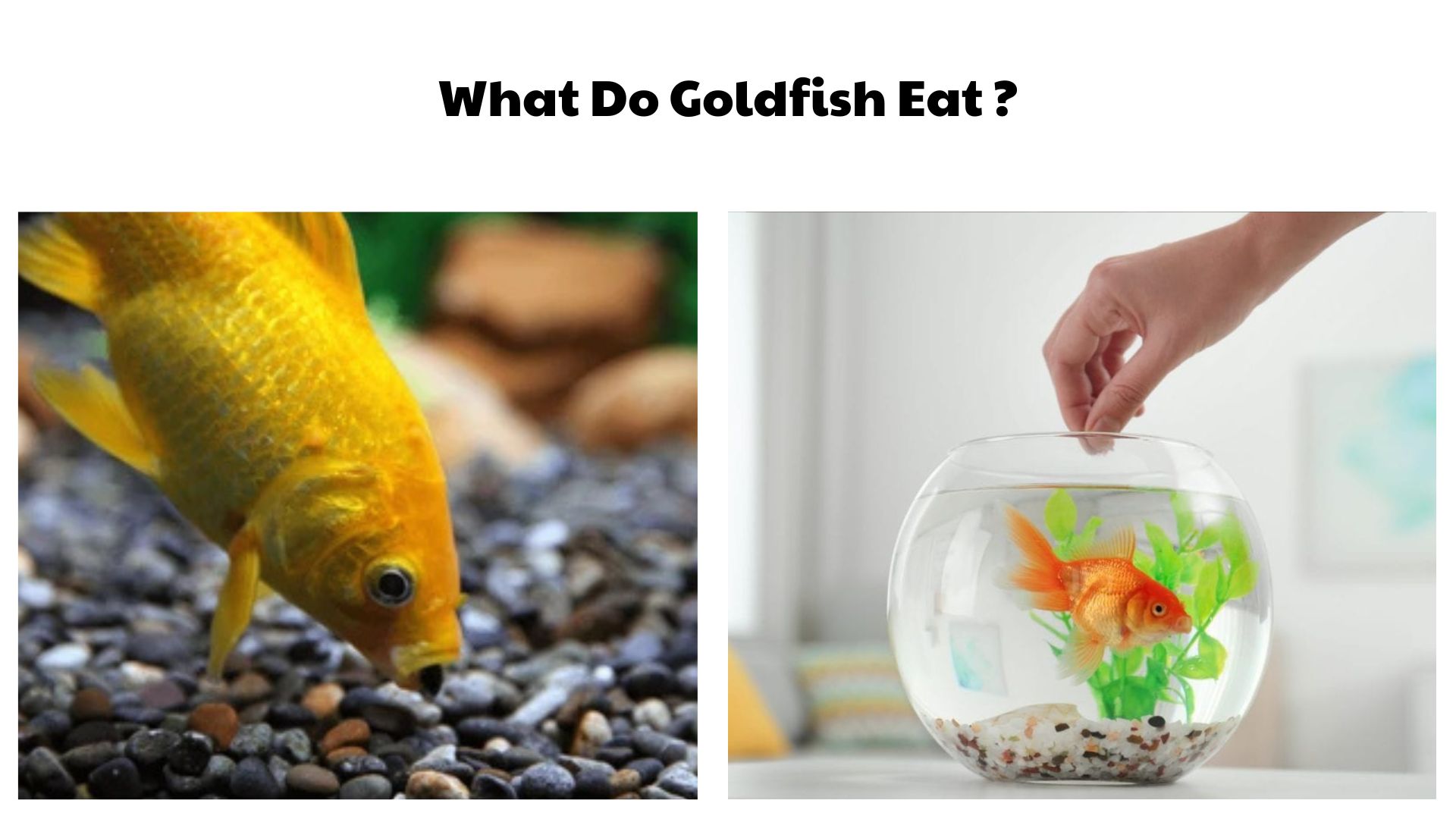
Goldfish are among the most popular freshwater fish in the world, known for their bright colors, peaceful behavior, and adaptability. Although many people think goldfish can survive on simple flakes alone, their nutritional needs are far more complex. In the wild and in well-maintained aquariums, goldfish thrive on a varied omnivorous diet that includes plant matter, insects, crustaceans, algae, and protein-rich live foods.
Understanding what goldfish eat is important because diet directly affects their growth, coloration, immune system, digestion, and lifespan. Poor nutrition is one of the leading causes of common goldfish health problems, including swim bladder disorders, constipation, weakened immunity, and poor water quality in aquariums.
Wild goldfish and their close relatives spend much of their day searching for food at different levels of the water. They graze on algae, nibble aquatic plants, hunt insect larvae, and scavenge tiny organisms from mud and vegetation. This constant foraging behavior means goldfish naturally prefer a diverse diet rather than a single food source.
In home aquariums and ponds, goldfish benefit most from a balanced feeding routine that combines high-quality prepared foods with occasional vegetables, live foods, and natural treats. Variety helps mimic their natural feeding patterns while providing a broad range of nutrients.
Another important factor is digestion. Goldfish do not have stomachs like mammals, so food moves quickly through their digestive tract. Because of this, they digest small meals more efficiently than large feedings. Foods rich in fiber and moisture can help prevent digestive issues, while excessive protein or overfeeding can pollute aquarium water and harm fish health.
This guide explores 30 foods goldfish love the most, including commercial diets, live prey, vegetables, and natural snacks commonly eaten by goldfish in both wild and captive environments. Each food plays a different role in nutrition, enrichment, and natural feeding behavior.
By understanding these foods and how goldfish consume them, fish keepers can create a healthier and more natural feeding routine that supports long-term health and vibrant aquarium life.
What Do Goldfish Eat ? Prepared Foods and Protein-Rich Natural Prey
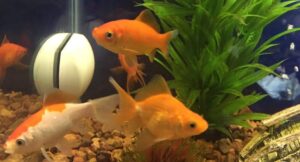
Goldfish are opportunistic omnivores that constantly search for edible material throughout the day. In natural ponds, slow-moving rivers, and lakes, they consume algae, tiny crustaceans, insect larvae, worms, and plant debris. In captivity, commercial foods are designed to replicate many of these nutritional needs while remaining easy to digest and convenient for aquarium keepers.
Protein-rich foods are especially important for growth, muscle development, coloration, and breeding health. However, balance is critical because excessive protein can lead to digestive stress and water pollution. Combining prepared diets with occasional natural prey creates a more complete and biologically appropriate feeding routine.
1. Goldfish Pellets
Goldfish pellets are one of the most widely used staple foods for aquarium and pond goldfish. Unlike simple flakes, pellets are often formulated specifically to meet the nutritional needs of different types of goldfish, including fancy breeds and common pond varieties. In captivity, pellets provide a balanced source of protein, fiber, vitamins, and minerals designed to support healthy growth and long-term health.
In the wild, goldfish constantly forage on small food particles throughout the water column and substrate. Pellets mimic this feeding behavior by sinking or floating slowly, allowing fish to search for food naturally. Sinking pellets are especially beneficial for fancy goldfish because they reduce the amount of air swallowed during feeding, lowering the risk of buoyancy problems and swim bladder issues.
Nutritionally, high-quality goldfish pellets contain fish meal, shrimp meal, plant proteins, algae, spirulina, vitamins, and stabilized minerals. Many advanced formulas also include ingredients that enhance coloration, improve immune response, and support digestion. Fiber is particularly important because goldfish lack a true stomach and rely on efficient intestinal movement to process food properly.
Pellets are also valued because they create less waste compared to lower-quality flakes. Stable water quality is essential for goldfish health since excess waste quickly increases ammonia levels in aquariums and ponds.
Behaviorally, goldfish often become highly responsive during pellet feeding. They learn feeding schedules quickly and may gather near the water surface or feeding area in anticipation. This interactive behavior is one reason pellets remain popular among fish keepers.
Even though pellets are considered a complete staple diet, variety is still important. Goldfish benefit from supplemental vegetables and occasional live foods that stimulate natural foraging instincts and provide enrichment beyond prepared nutrition.
2. Goldfish Flakes
Goldfish flakes have been a traditional aquarium food for decades and remain a common feeding option for beginner fish keepers. Flakes are lightweight, easy to portion, and designed to soften quickly in water, making them accessible for fish of different sizes.
In nature, goldfish feed on suspended particles, algae fragments, and tiny aquatic organisms drifting through the water. Flakes partially imitate this feeding style because they remain near the surface before gradually sinking. This encourages active feeding behavior and allows multiple fish to feed simultaneously.
Nutritionally, high-quality flakes contain protein sources such as fish meal and shrimp meal along with plant matter, vitamins, and trace minerals. Some specialty flakes include spirulina or carotenoids to enhance orange, red, and yellow coloration.
However, flakes can present challenges if overused. Because they soften rapidly, uneaten flakes may break apart and pollute the water more quickly than pellets. Additionally, surface feeding can increase air intake in some fancy goldfish, potentially contributing to digestive or buoyancy issues.
For this reason, flakes are often best used as part of a varied diet rather than the sole food source. Smaller feedings given multiple times daily help reduce waste and improve digestion.
Despite newer food technologies, flakes remain useful for juvenile goldfish and mixed community aquariums where fish feed primarily near the surface.
3. Gel Food
Gel food has become increasingly popular among experienced goldfish keepers because of its soft texture, digestibility, and customizable ingredients. Unlike dry pellets or flakes, gel food contains high moisture content that closely resembles the natural consistency of many aquatic foods goldfish consume in the wild.
Wild goldfish often eat soft-bodied prey, algae, decaying vegetation, and organic debris. Gel food mimics these softer food textures, making it especially beneficial for fancy goldfish prone to digestive problems.
Nutritionally, gel foods often include fish proteins, vegetables, algae, vitamins, and stabilizing ingredients blended into a digestible gel base. Some homemade versions also incorporate peas, spinach, shrimp, and spirulina for additional nutrition.
One major advantage of gel food is reduced constipation risk. The moisture and fiber content support smoother digestion and healthier intestinal movement. This is particularly important because digestive blockages and buoyancy disorders are common in overfed goldfish.
Gel foods also produce less expansion inside the digestive tract compared to dry foods. Dry pellets can sometimes swell after ingestion, while hydrated gel foods remain softer and easier to process.
From a behavioral standpoint, goldfish often enthusiastically graze on gel food pieces as they slowly break apart in the water. This encourages natural feeding activity without creating excessive floating waste.
4. Algae Wafers
Algae wafers are compressed sinking foods primarily designed for herbivorous and bottom-feeding fish, but goldfish also benefit from them due to their omnivorous feeding habits. In natural ponds and lakes, goldfish spend large portions of the day grazing on algae growing on rocks, plants, and submerged surfaces.
Nutritionally, algae wafers contain spirulina, plant matter, seaweed, and vegetable proteins. These ingredients provide fiber, minerals, and carotenoids that support healthy digestion and vibrant coloration.
Because algae is a natural component of the goldfish diet, algae wafers can help diversify feeding routines while encouraging bottom-feeding behavior. Goldfish often push and nibble wafers across the substrate while competing socially with tank mates.
These wafers are especially useful in ponds and planted aquariums where goldfish naturally browse throughout the day. However, they should remain a supplement rather than a sole staple food because goldfish also require protein and broader nutrient diversity.
5. Bloodworms
Bloodworms are one of the most popular live or frozen protein foods for goldfish. These bright red aquatic larvae are rich in protein and mimic the insect larvae goldfish naturally consume in ponds and marshes.
In the wild, goldfish actively hunt mosquito larvae, small worms, and insect nymphs hidden among aquatic plants and muddy substrate. Bloodworms closely replicate this natural prey behavior and stimulate strong feeding responses.
Nutritionally, bloodworms contain high levels of protein, amino acids, and fats that support growth, breeding condition, and energy production. Because of their richness, they are best used as occasional treats rather than daily staples.
Goldfish often become highly excited when offered bloodworms, displaying rapid searching and chasing behavior. This enrichment helps stimulate natural hunting instincts rarely activated by dry prepared foods.
Frozen bloodworms are generally safer than live wild-caught versions because they reduce the risk of parasites and disease introduction.
6. Brine Shrimp
Brine shrimp are tiny aquatic crustaceans widely used in aquarium feeding due to their excellent protein profile and digestibility. Goldfish readily consume both live and frozen brine shrimp.
In nature, goldfish feed on small aquatic invertebrates whenever available. Brine shrimp resemble these tiny prey items and encourage active hunting behavior in aquariums.
Nutritionally, brine shrimp provide protein, omega fatty acids, and carotenoids that help support healthy growth and coloration. Newly hatched brine shrimp are particularly useful for juvenile goldfish because of their small size and digestibility.
Because they move actively in water, live brine shrimp stimulate natural chasing instincts and increase mental stimulation for captive fish.
7. Daphnia
Daphnia, often called water fleas, are microscopic crustaceans commonly eaten by goldfish in both wild and captive environments. They are one of the healthiest live foods available due to their digestibility and fiber-like exoskeleton.
Nutritionally, daphnia contain moderate protein while also helping clear the digestive tract. Many fish keepers use daphnia to help relieve mild constipation in goldfish.
Wild goldfish naturally consume tiny planktonic organisms while filtering water and browsing vegetation. Daphnia closely resemble this natural prey source.
Because they move erratically through the water, daphnia trigger active feeding behavior and encourage exercise within the aquarium.
8. Tubifex Worms
Tubifex worms are aquatic worms traditionally used as a high-protein fish food. In muddy environments, wild goldfish often search through sediment for worms and organic material, making tubifex worms similar to natural benthic prey.
These worms are rich in protein and energy, supporting growth and conditioning. However, they should be used cautiously because low-quality or wild-harvested tubifex may carry contaminants or pathogens.
Freeze-dried or cultured tubifex are safer options for aquarium use.
9. Blackworms
Blackworms are another protein-rich live food commonly fed to goldfish. They are highly nutritious and stimulate strong feeding responses due to their movement and scent.
Goldfish naturally forage along the bottom for worm-like prey hidden among debris and plant matter. Blackworms encourage these instinctive behaviors while providing concentrated nutrition.
Because they are rich and energy-dense, blackworms are best used in moderation alongside vegetables and prepared foods.
10. Mosquito Larvae
Mosquito larvae are one of the most natural live foods goldfish consume in ponds and outdoor environments. Wild goldfish frequently feed near the water surface where mosquito larvae wriggle and develop.
These larvae provide high protein and mimic natural insect prey found in slow-moving freshwater habitats. Goldfish actively hunt them, displaying rapid feeding behavior and surface strikes.
In outdoor ponds, goldfish often help naturally control mosquito populations by consuming larvae before they mature into adult insects.
However, only pesticide-free larvae from safe water sources should ever be used as fish food.
11. Mealworms
Mealworms are protein-rich insect larvae commonly used as treats for aquarium fish and pond goldfish. In natural freshwater habitats, goldfish opportunistically consume insects and larvae that fall into the water or develop near the surface. Mealworms mimic these natural prey opportunities and provide concentrated nutrition.
Nutritionally, mealworms contain high protein and fat levels that support growth, energy, and breeding condition. Because they are calorie-dense, they should only be offered occasionally rather than as daily food.
Goldfish often display aggressive feeding responses toward mealworms, chasing and tearing apart pieces rapidly. This hunting behavior provides mental stimulation and encourages exercise.
For safety, mealworms should be softened, cut into smaller pieces, or offered freeze-dried depending on fish size. Overfeeding fatty insects may contribute to obesity and water quality problems, so moderation is essential.
12. Crickets
Crickets are another insect-based food occasionally consumed by goldfish, especially in outdoor ponds where insects naturally fall into the water. Wild goldfish are opportunistic omnivores and readily investigate moving prey items.
Crickets provide protein, amino acids, and trace minerals that contribute to tissue repair and energy production. They are best offered occasionally as enrichment rather than staple food.
Goldfish often attack floating cricket pieces enthusiastically, displaying instinctive surface-feeding behavior similar to what occurs in natural pond ecosystems.
Only pesticide-free feeder crickets should be used, and they should be appropriately sized or cut into manageable pieces for safe consumption.
13. Ghost Shrimp
Ghost shrimp are small transparent freshwater shrimp that can serve as occasional live prey for larger goldfish. In wild habitats, goldfish naturally consume tiny crustaceans and aquatic invertebrates whenever available.
Nutritionally, ghost shrimp provide protein, calcium, and natural carotenoids that may help enhance coloration. Their movement also stimulates hunting instincts and increases environmental enrichment.
Goldfish may stalk, chase, and capture ghost shrimp throughout the aquarium, recreating natural predatory behaviors often absent in captivity.
However, ghost shrimp should not become the primary diet source, and smaller shrimp may survive temporarily among plants and decorations before being eaten.
14. Peas
Peas are one of the most beneficial vegetables for goldfish digestion and are widely recommended for preventing constipation and swim bladder issues. In nature, goldfish consume soft aquatic plant matter and fiber-rich vegetation while grazing.
Nutritionally, peas provide fiber, vitamins, and carbohydrates while remaining gentle on the digestive tract. The soft interior helps move food efficiently through the intestines.
Cooked and peeled peas are easiest for goldfish to digest. The outer skin should usually be removed because it can be difficult for some fish to process.
Many fish keepers use peas as a recovery food when goldfish show signs of bloating or buoyancy problems. Their high fiber content supports intestinal movement and digestive balance.
15. Spinach
Spinach is a nutrient-rich leafy vegetable that goldfish readily graze on when softened properly. Wild goldfish naturally browse on soft aquatic plants and algae throughout the day, making leafy vegetables an important dietary supplement.
Spinach contains vitamins A, C, and K along with iron and antioxidants that support immune health and coloration. The fiber content also contributes to healthy digestion.
Blanched spinach is easier for goldfish to consume because softening breaks down tough plant fibers. Goldfish often nibble repeatedly at spinach leaves over extended periods, mimicking natural grazing behavior.
Because spinach is nutrient-dense, it should be rotated with other vegetables to maintain dietary variety.
16. Lettuce
Lettuce, particularly romaine lettuce, is a safe and hydrating vegetable for goldfish. In natural habitats, goldfish consume tender aquatic vegetation and soft plant material similar in texture to lettuce leaves.
Romaine lettuce provides fiber, hydration, and moderate vitamins while remaining easy to digest. Iceberg lettuce is less nutritious and generally less recommended.
Blanched or softened lettuce leaves can be clipped to the aquarium side, allowing goldfish to graze gradually throughout the day. This feeding style encourages natural browsing and reduces boredom.
Because lettuce is low in calories, it works well alongside higher-protein foods without significantly increasing waste production.
17. Kale
Kale is a highly nutritious leafy vegetable rich in vitamins, minerals, and antioxidants. Goldfish can safely consume kale when softened properly before feeding.
In the wild, goldfish naturally graze on nutrient-rich plant matter whenever available, and kale serves as a concentrated source of similar plant nutrients in captivity.
Kale contains calcium, vitamin C, and carotenoids that may support coloration and immune health. However, because of its density, it is best offered in moderate amounts as part of a rotating vegetable schedule.
Goldfish typically nibble kale gradually rather than consuming it immediately, reflecting their natural grazing tendencies.
18. Cucumber
Cucumber is a refreshing, water-rich vegetable often enjoyed by goldfish. Its soft texture and mild flavor make it easy for fish to graze on slowly.
Nutritionally, cucumber provides hydration and small amounts of fiber while remaining very low in calories. Although not highly nutrient-dense, it serves as useful enrichment and supports digestive balance.
Thin cucumber slices can be attached to aquarium clips or weighted to the bottom, allowing goldfish to feed naturally over several hours.
Because cucumber breaks down slowly, uneaten pieces should be removed before decomposition affects water quality.
19. Zucchini
Zucchini is one of the most popular vegetables for aquarium fish because it is soft, digestible, and easy to prepare. Goldfish naturally consume plant matter similar to zucchini while grazing in ponds and shallow waters.
Zucchini provides fiber, hydration, and trace vitamins that contribute to digestive health. Its soft interior becomes even easier to consume after blanching.
Goldfish often rasp repeatedly at zucchini slices using their pharyngeal teeth, displaying natural grazing behavior seen in wild feeding conditions.
Because it is low in sugar and relatively gentle on digestion, zucchini can be offered regularly in moderation.
20. Broccoli
Broccoli is a nutrient-rich vegetable that goldfish can consume when softened properly. While not a natural aquatic plant, it provides valuable vitamins and fiber similar to vegetation goldfish would encounter in the wild.
Broccoli contains vitamin C, antioxidants, and plant fiber that support immune function and digestive health. Small softened florets or stems are easiest for fish to nibble.
Goldfish often investigate broccoli slowly, tearing off small particles while grazing throughout the day. This gradual feeding style mirrors natural browsing behavior in ponds.
Because broccoli can release particles into the water, portions should remain small and leftovers removed promptly.
21. Carrots
Carrots are a nutritious vegetable occasionally fed to goldfish as part of a varied diet. Although goldfish would not commonly encounter carrots in natural aquatic environments, softened carrot pieces resemble the plant matter and organic debris they naturally graze on in the wild.
Nutritionally, carrots are rich in beta-carotene, fiber, and antioxidants. Beta-carotene is especially beneficial because it supports vibrant orange and red coloration in goldfish. The fiber content also contributes to healthy digestion when fed in moderate amounts.
Raw carrots are usually too hard for goldfish to consume comfortably, so they should be boiled or blanched until soft. Once softened, goldfish will nibble repeatedly at small pieces over time, displaying their natural grazing behavior.
Because carrots contain natural sugars, they should only be used occasionally as enrichment rather than as staple food. Overfeeding sweet vegetables may contribute to digestive imbalance and excess waste production in aquariums.
When properly prepared and portioned, carrots can add both nutritional variety and behavioral enrichment to a goldfish feeding routine.
22. Pumpkin
Pumpkin is a soft, fiber-rich vegetable that can be highly beneficial for goldfish digestion. In the wild, goldfish consume decomposing plant material and soft vegetation, making pumpkin similar in texture and digestibility to some naturally occurring food sources.
Nutritionally, pumpkin provides fiber, beta-carotene, vitamins, and moisture. The fiber content may help support healthy intestinal movement and reduce mild digestive problems in captive goldfish.
Cooked plain pumpkin is easiest to digest and should always be offered without seasoning or additives. Goldfish often rasp small pieces gradually, consuming softened sections over extended feeding periods.
Because pumpkin is relatively soft, uneaten portions should be removed promptly to prevent water pollution. In moderation, pumpkin serves as both digestive support and nutritional enrichment.
23. Sweet Potatoes
Sweet potatoes are occasionally offered to goldfish due to their soft texture and nutritional value when cooked properly. Although not a natural aquatic food, they provide carbohydrates, vitamins, and fiber that can supplement a varied diet.
Sweet potatoes contain beta-carotene, vitamin C, and antioxidants that may support coloration and immune health. However, they are also relatively starchy compared to leafy vegetables, meaning portions should remain small.
Cooked sweet potato pieces should be soft enough for goldfish to nibble easily. Their slightly sweet flavor often makes them highly attractive to fish.
Because excessive starch may contribute to water cloudiness and digestive issues, sweet potatoes are best treated as an occasional dietary supplement rather than regular food.
24. Corn
Corn is a carbohydrate-rich plant food that some goldfish will readily consume in small amounts. In natural freshwater habitats, goldfish sometimes feed on seeds, grains, and plant fragments washed into ponds or rivers.
Nutritionally, corn provides carbohydrates, fiber, and small amounts of vitamins and minerals. However, it is less nutritionally balanced than leafy vegetables or aquatic plant foods.
Cooked corn kernels should be softened and broken into tiny pieces before feeding. Larger kernels may be difficult for smaller goldfish to consume safely.
Because corn is starchy and relatively dense, it should only be fed occasionally and in very limited portions to avoid digestive stress and excess waste production.
25. Duckweed
Duckweed is one of the most natural and beneficial plant foods for goldfish. This tiny floating aquatic plant grows abundantly on ponds and calm freshwater surfaces, where wild goldfish frequently graze throughout the day.
Nutritionally, duckweed contains plant protein, fiber, vitamins, and minerals while remaining easy to digest. It closely matches the type of aquatic vegetation goldfish naturally consume in ponds and marshes.
Goldfish often spend hours browsing duckweed patches near the surface, continuously grazing in a slow and natural feeding pattern. This behavior supports mental stimulation and reduces boredom in captive environments.
Duckweed also helps mimic natural ecological feeding conditions, making it one of the most biologically appropriate supplemental foods for pond and aquarium goldfish.
26. Seaweed (Nori)
Seaweed, especially dried nori sheets, is another plant-based food enjoyed by many goldfish. Although freshwater goldfish would not naturally encounter marine seaweed, nori provides nutrients similar to algae and aquatic vegetation consumed in the wild.
Nutritionally, nori contains minerals, iodine, fiber, and vitamins that support overall health and digestion. It is especially useful as a plant-based supplement alongside protein-rich foods.
Goldfish typically nibble small strips of softened nori gradually throughout the day. This slow grazing pattern mirrors natural algae-feeding behavior seen in ponds.
Only unseasoned seaweed should be used, as salted or flavored products may harm fish health.
27. Watermelon
Watermelon is a refreshing fruit occasionally fed to goldfish in tiny amounts as a treat. In natural environments, fallen fruits sometimes enter ponds and waterways, giving omnivorous fish brief access to sugary plant material.
Nutritionally, watermelon provides hydration, vitamins, and natural sugars. However, because sugar content is relatively high, watermelon should remain a rare snack rather than a regular dietary item.
Goldfish often investigate soft fruit pieces curiously and nibble repeatedly at the flesh. The soft texture makes it easy to consume, but uneaten fruit can quickly degrade water quality.
Only seedless flesh should be offered, and portions must remain extremely small.
28. Orange Slices
Orange slices are occasionally used as enrichment treats for goldfish, though they should only be offered sparingly. In nature, fish may encounter fruits washed into freshwater systems after storms or flooding.
Oranges contain vitamin C and moisture, but they are also acidic and sugary compared to natural aquatic foods. Because of this, they should never become a regular part of the diet.
Small peeled sections without seeds or rind are safest. Some goldfish may nibble curiously at the soft flesh, while others ignore it completely.
Due to acidity and sugar, overfeeding citrus fruits can negatively impact digestion and aquarium water conditions.
29. Apples
Apples are another occasional fruit treat sometimes enjoyed by goldfish. Tiny softened pieces of peeled apple may resemble fallen fruit material that fish opportunistically consume in the wild.
Nutritionally, apples provide fiber, moisture, and small amounts of vitamins. However, they are also relatively high in natural sugars and should only be offered in moderation.
Goldfish typically nibble apple fragments slowly rather than consuming them aggressively. Softened pieces are easier to digest and safer for smaller fish.
Seeds must always be removed because they may contain harmful compounds and present choking risks.
30. Bananas
Bananas are soft fruits that can occasionally be used as enrichment treats for goldfish. Their texture makes them easy for fish to consume, but their sugar content means they should only be fed rarely.
Nutritionally, bananas contain potassium, carbohydrates, and vitamins. However, compared to natural aquatic foods, bananas are much richer in sugar and starch.
Goldfish may peck repeatedly at tiny banana pieces floating or sinking in the aquarium. Because bananas break apart quickly, uneaten portions should be removed immediately to preserve water quality.
When used sparingly, bananas can provide variety and enrichment, but vegetables and aquatic plant foods remain far healthier long-term options.
Conclusion: What Do Goldfish Eat and How Should They Be Fed?
Goldfish are highly adaptable omnivorous fish with feeding habits that combine both plant and animal matter. In the wild, they constantly forage for algae, aquatic vegetation, insect larvae, tiny crustaceans, worms, and organic debris. This natural behavior explains why goldfish thrive best on a varied and balanced diet rather than relying on a single food source.
In aquariums and ponds, a healthy feeding routine should include high-quality staple foods such as pellets or gel foods alongside fresh vegetables and occasional protein-rich treats. Fiber-rich plant foods are especially important because goldfish lack stomachs and digest food quickly. Proper nutrition supports digestion, coloration, immune health, energy levels, and lifespan.
Overfeeding remains one of the most common mistakes in goldfish care. Excess food not only harms digestion but also pollutes the water, leading to ammonia spikes and poor water quality. Small portions fed once or twice daily are generally healthier than large feedings.
Goldfish also benefit mentally from dietary variety. Offering vegetables, live foods, and grazing opportunities encourages natural foraging behavior and creates a more enriching environment.
By understanding what goldfish naturally eat and how different foods affect their health, fish keepers can create a safer, cleaner, and more biologically appropriate feeding routine for long-term success.
50+ Frequently Asked Questions About What Goldfish Eat
1. What do goldfish eat in the wild?
Wild goldfish eat algae, aquatic plants, insect larvae, worms, crustaceans, and organic debris.
2. What is the best food for goldfish?
High-quality goldfish pellets combined with vegetables and occasional protein treats are ideal.
3. Can goldfish eat vegetables?
Yes, vegetables like peas, spinach, and zucchini are healthy for goldfish.
4. Can goldfish eat fruit?
Yes, but fruits should only be occasional treats because of their sugar content.
5. Can goldfish eat peas?
Yes, cooked and peeled peas are excellent for digestion.
6. Can goldfish eat lettuce?
Yes, romaine lettuce is safe and commonly used for grazing.
7. Can goldfish eat spinach?
Yes, blanched spinach provides vitamins and fiber.
8. Can goldfish eat bread?
No, bread is not recommended because it can expand in the digestive tract.
9. Can goldfish eat rice?
Plain cooked rice may be eaten occasionally but is not ideal nutrition.
10. Can goldfish eat meat?
Goldfish can eat small aquatic proteins, but mammal meat is not recommended.
11. Can goldfish eat worms?
Yes, bloodworms and blackworms are common protein-rich foods.
12. Can goldfish eat mosquito larvae?
Yes, mosquito larvae are natural prey for goldfish.
13. Can goldfish eat shrimp?
Yes, brine shrimp and ghost shrimp are safe and nutritious.
14. Can goldfish eat algae?
Yes, algae are a natural and beneficial food source.
15. Do goldfish eat plants?
Yes, goldfish commonly nibble aquatic plants and soft vegetation.
16. Can goldfish eat cucumber?
Yes, thin cucumber slices are safe and hydrating.
17. Can goldfish eat zucchini?
Yes, zucchini is one of the safest vegetables for goldfish.
18. Can goldfish eat carrots?
Yes, softened carrots can be offered occasionally.
19. Can goldfish eat broccoli?
Yes, softened broccoli in small amounts is safe.
20. Can goldfish eat kale?
Yes, blanched kale provides vitamins and minerals.
21. Can goldfish eat seaweed?
Yes, plain nori seaweed is safe in moderation.
22. Can goldfish eat duckweed?
Yes, duckweed is one of the most natural foods for goldfish.
23. Can goldfish eat watermelon?
Yes, tiny seedless pieces can be given occasionally.
24. Can goldfish eat apples?
Yes, peeled apple pieces are safe in very small amounts.
25. Can goldfish eat bananas?
Yes, but bananas should be rare treats due to sugar.
26. Can goldfish eat oranges?
Small peeled sections may be eaten occasionally, but citrus should be limited.
27. Can goldfish eat corn?
Yes, softened corn can be fed sparingly.
28. Can goldfish eat pumpkin?
Yes, cooked pumpkin may support digestion.
29. Can goldfish eat sweet potatoes?
Yes, cooked sweet potatoes are safe in small amounts.
30. How often should goldfish be fed?
Most goldfish should be fed one to two small meals daily.
31. How much should goldfish eat?
Only as much food as they can consume within about two minutes.
32. Can goldfish overeat?
Yes, goldfish often overeat if given unlimited food.
33. Why is overfeeding dangerous for goldfish?
Overfeeding causes digestive problems and pollutes aquarium water.
34. Can goldfish survive without food?
Healthy adult goldfish can survive several days without food.
35. Do goldfish need live food?
No, but live foods provide enrichment and extra nutrition.
36. What live foods do goldfish eat?
Bloodworms, brine shrimp, daphnia, and mosquito larvae are common.
37. Can goldfish eat tropical fish food?
Occasionally yes, but goldfish-specific food is better balanced.
38. Are flakes or pellets better for goldfish?
Pellets are usually preferred because they create less waste.
39. What is gel food for goldfish?
Gel food is a soft, moisture-rich diet designed for easier digestion.
40. Can goldfish eat human food?
Some plain vegetables and fruits are safe in moderation.
41. Can goldfish eat cheese?
No, dairy products are not suitable for goldfish.
42. Can goldfish eat chocolate?
No, chocolate is unsafe and should never be fed.
43. Can goldfish eat onions or garlic?
No, these foods are not recommended for goldfish.
44. Why do goldfish graze constantly?
Goldfish naturally forage throughout the day searching for small food items.
45. Do goldfish eat at night?
Goldfish are less active at night but may still graze occasionally.
46. Can goldfish eat fish eggs?
Yes, goldfish may consume eggs, including their own.
47. What foods improve goldfish color?
Foods rich in carotenoids like shrimp, spirulina, and carrots may help.
48. Can goldfish eat algae wafers?
Yes, algae wafers are safe supplemental plant foods.
49. What foods help prevent constipation in goldfish?
Peas, spinach, zucchini, and daphnia may support digestion.
50. What is the healthiest goldfish diet?
A varied diet of pellets, vegetables, and occasional protein treats is healthiest.
51. Can goldfish eat every day?
Yes, but portions should remain small and controlled.
52. Why do goldfish spit food out?
Goldfish often test food texture before swallowing or breaking it apart.
53. Can goldfish eat floating food safely?
Yes, but excessive surface feeding may increase swallowed air in fancy breeds.
54. Should goldfish fast sometimes?
Some keepers use occasional fasting days to support digestion.
55. What foods should goldfish avoid?
Processed foods, salty foods, bread, dairy, and heavily seasoned foods should be avoided.